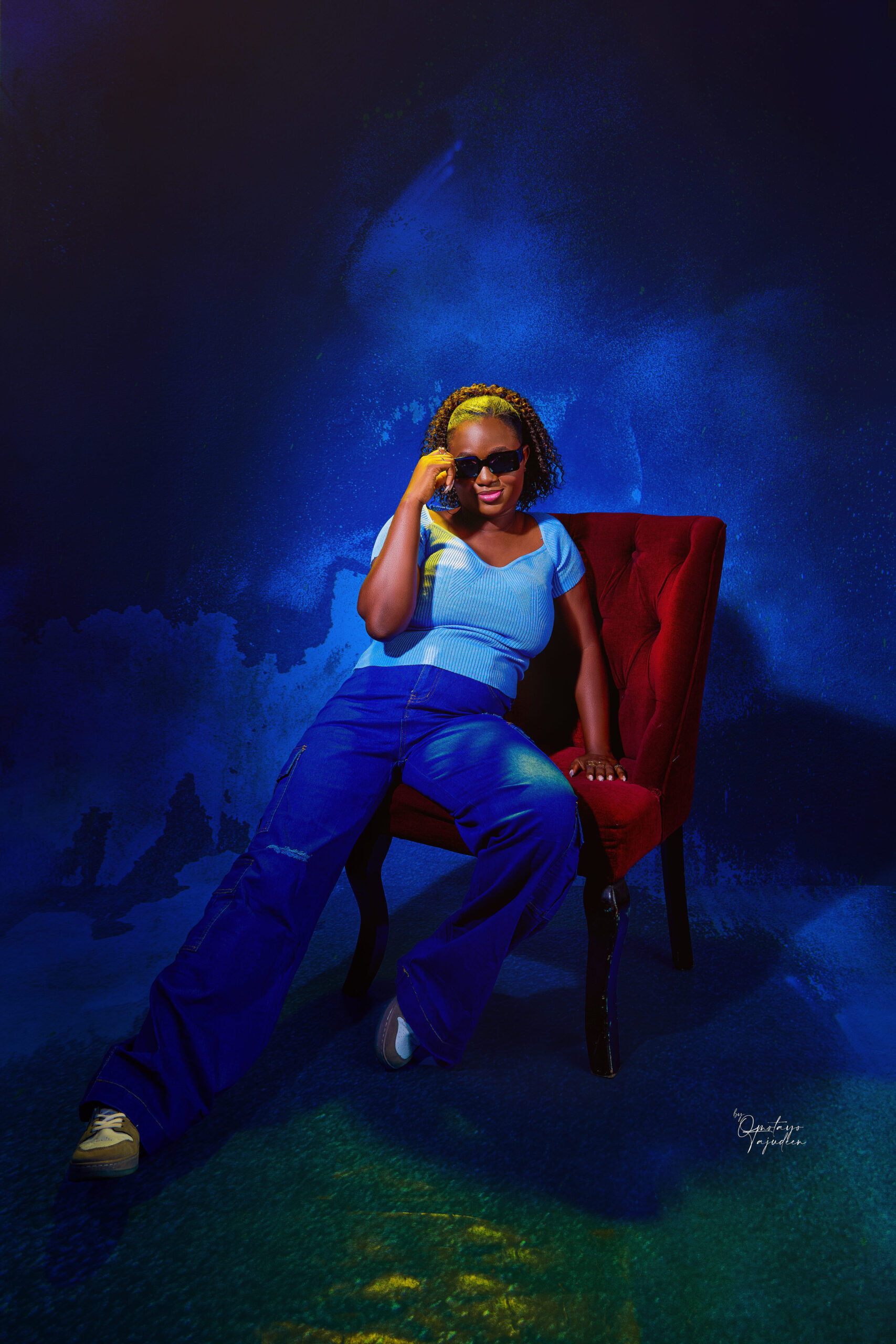
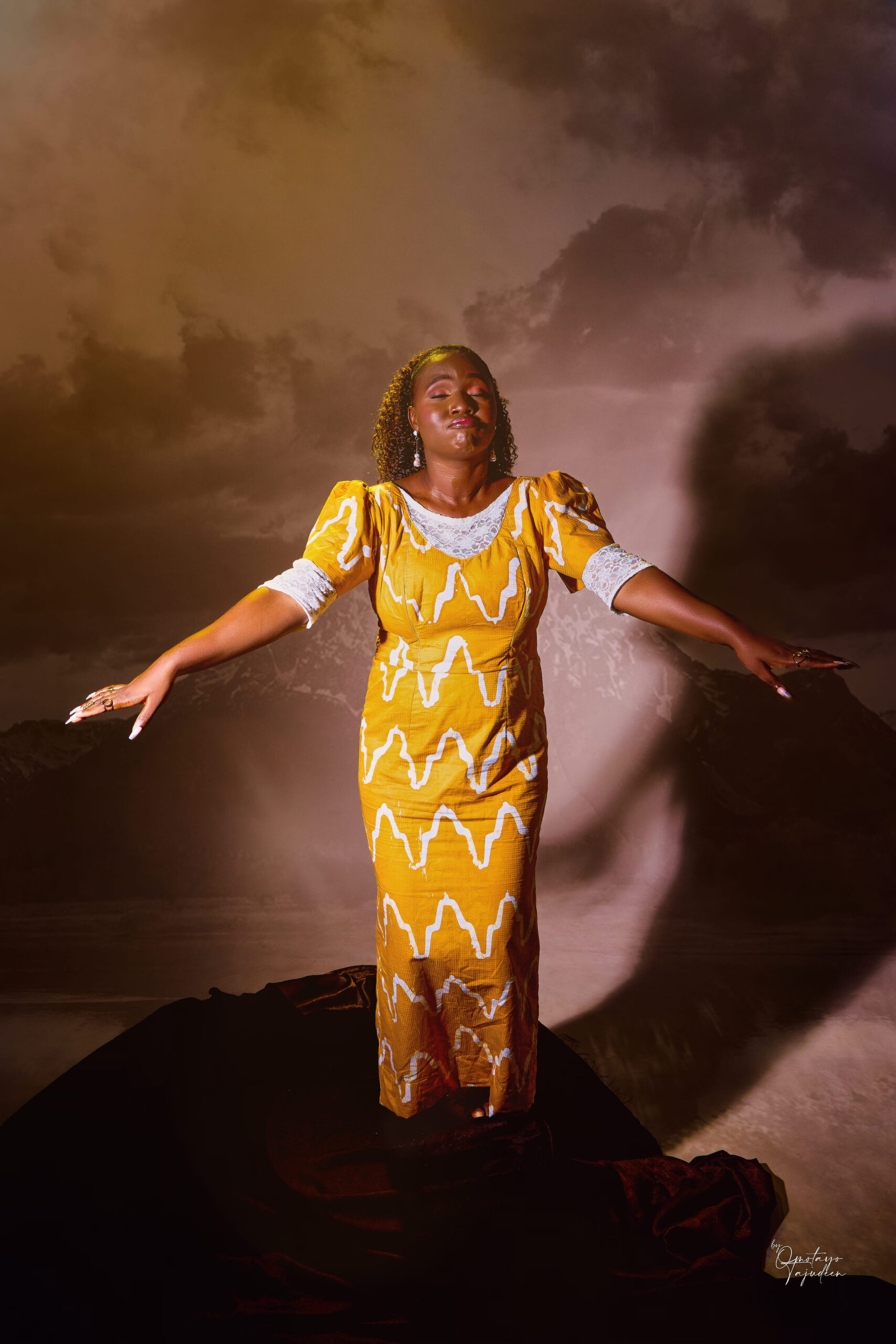
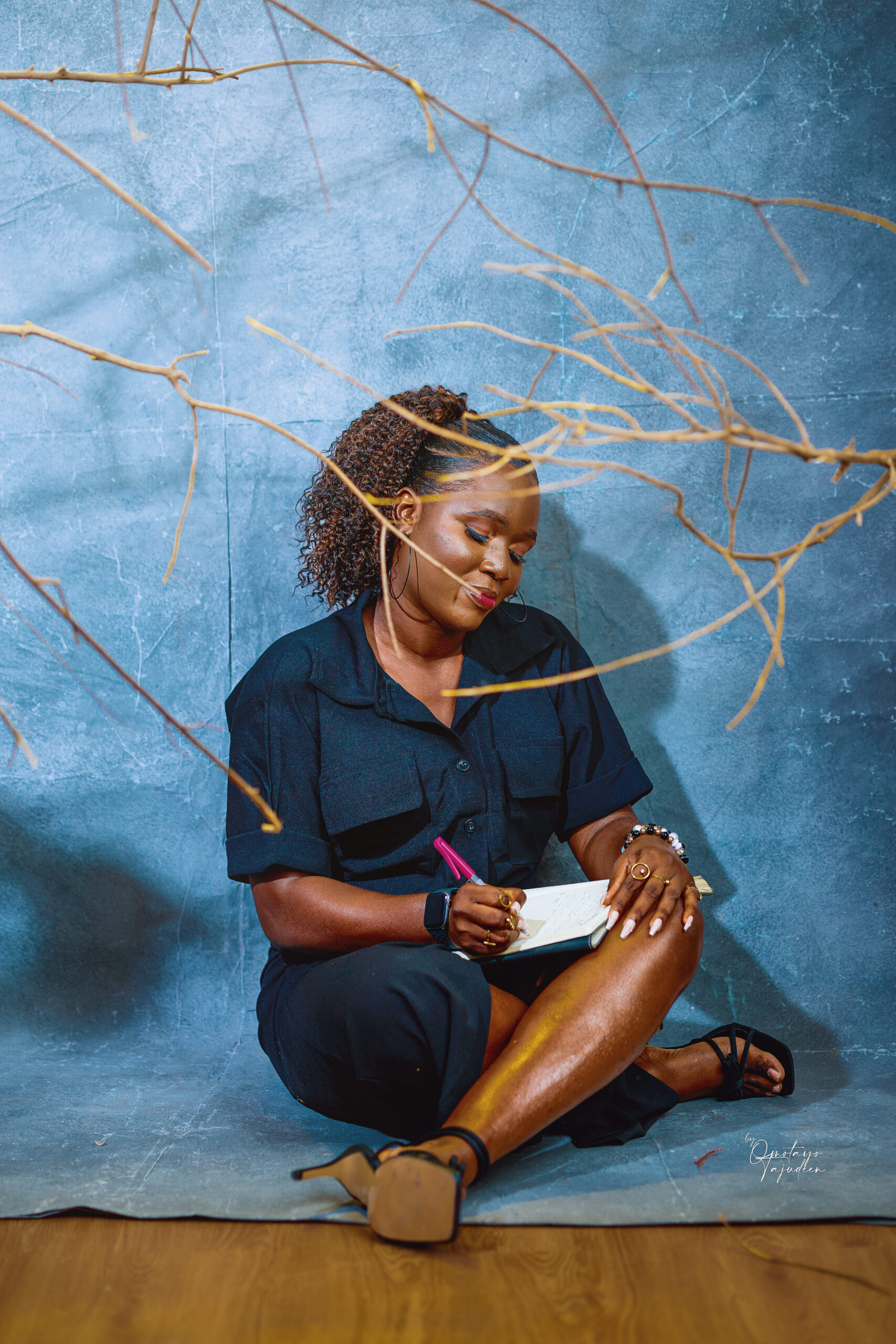
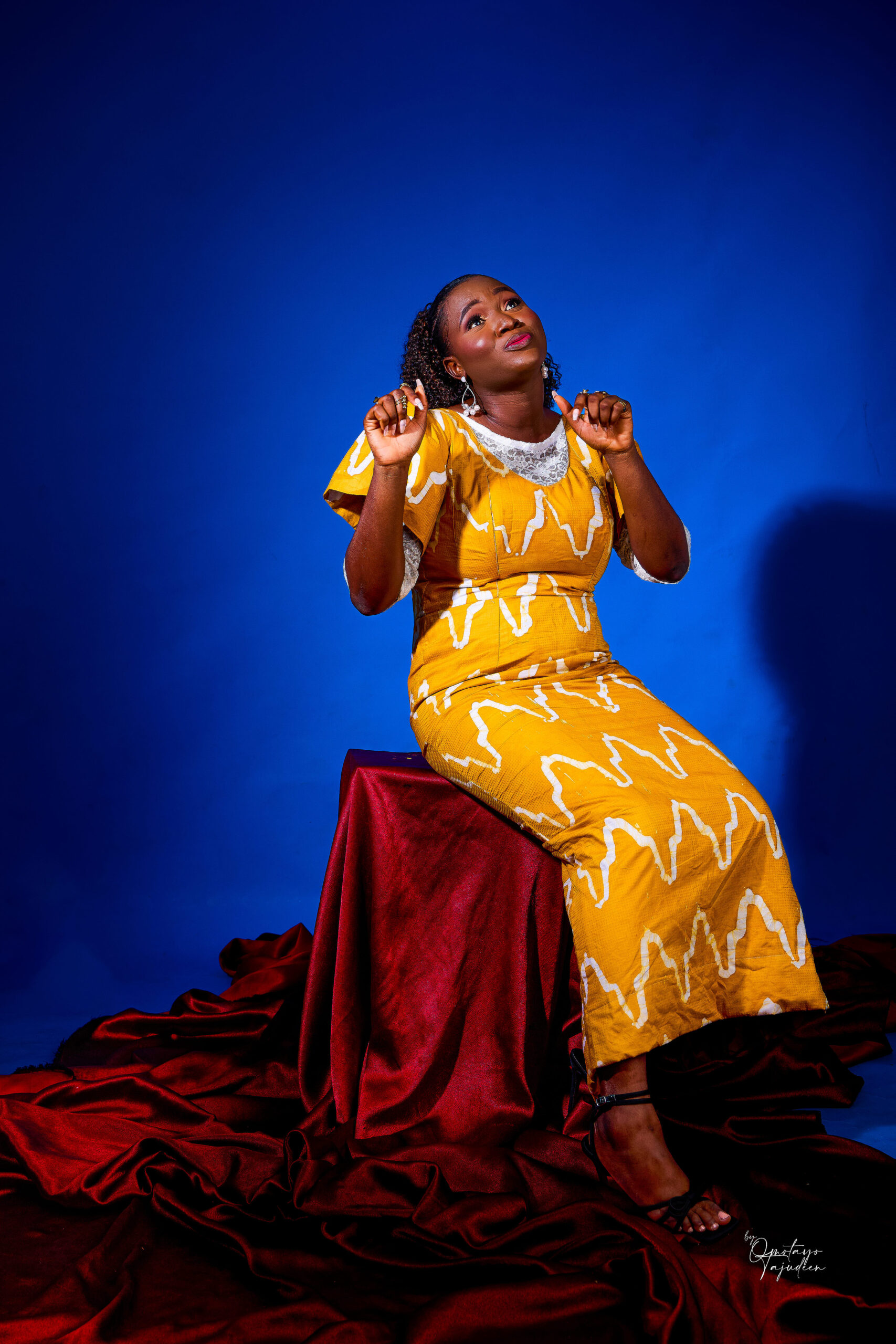
Every project begins with a brief. Which, depending on the client and other factors could be detailed, but sometimes loosely defined. But for me, the brief is never a checklist. It’s a starting point. What matters most is not just what is being asked for, but what sits underneath it. Before I think about cameras, lenses, or lighting, I think about intention.
1. Reading Between the Lines of the Brief
A brief usually answers surface questions like what and/or who needs to be photographed, where will the images be used, when it needs to be delivered etc. But when I receive a brief, I’m always listening and looking for the unspoken parts and unwritten requests. I ask questions like what does this need to feel like?, what problem is this or these images meant to solve? How should people respond when they see it?
For brands, this might be about trust, credibility, or warmth. For individuals, it might be confidence, clarity, or transition. For weddings and personal stories, it’s often about memory and meaning. Understanding this early shapes every creative decision that follows.
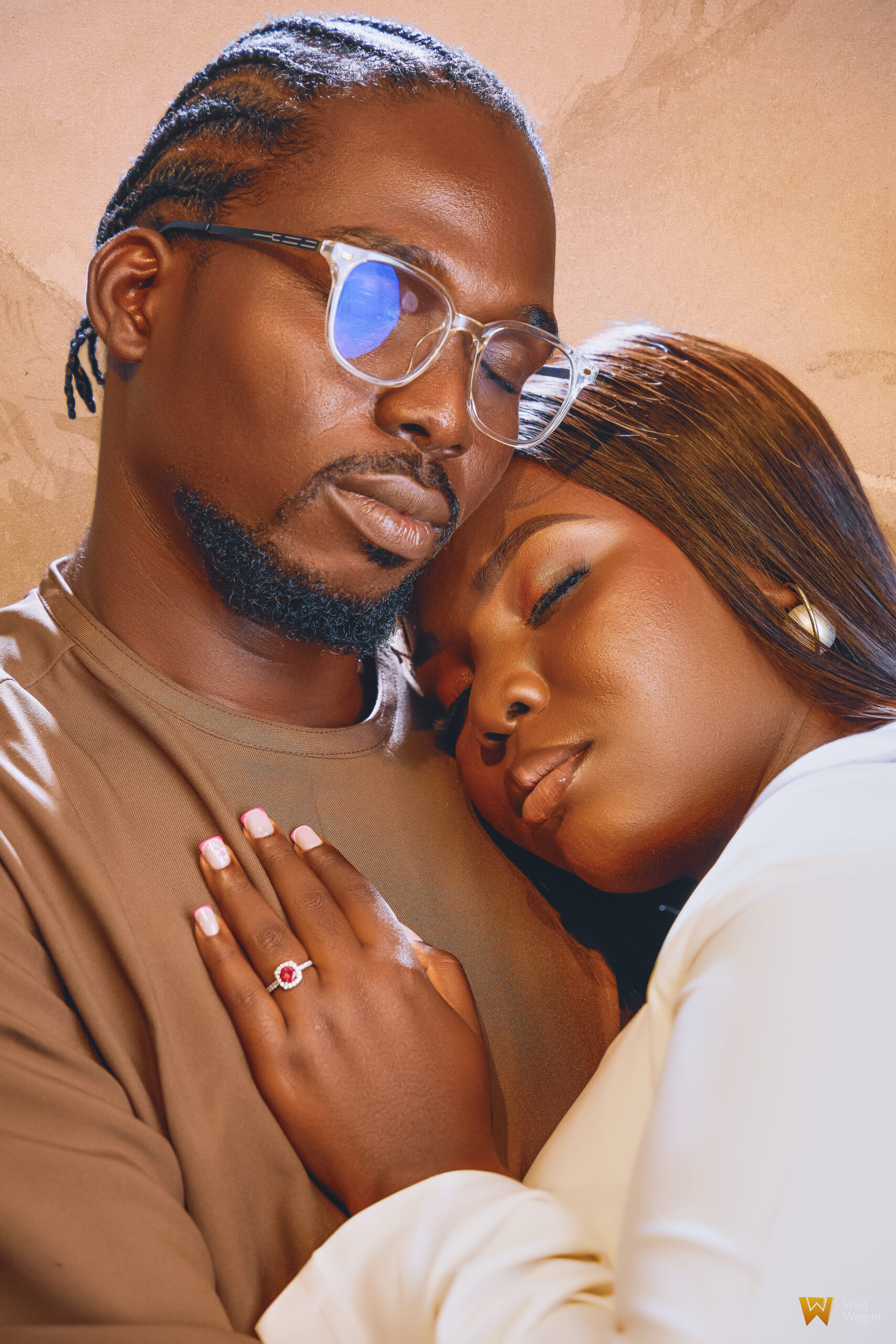
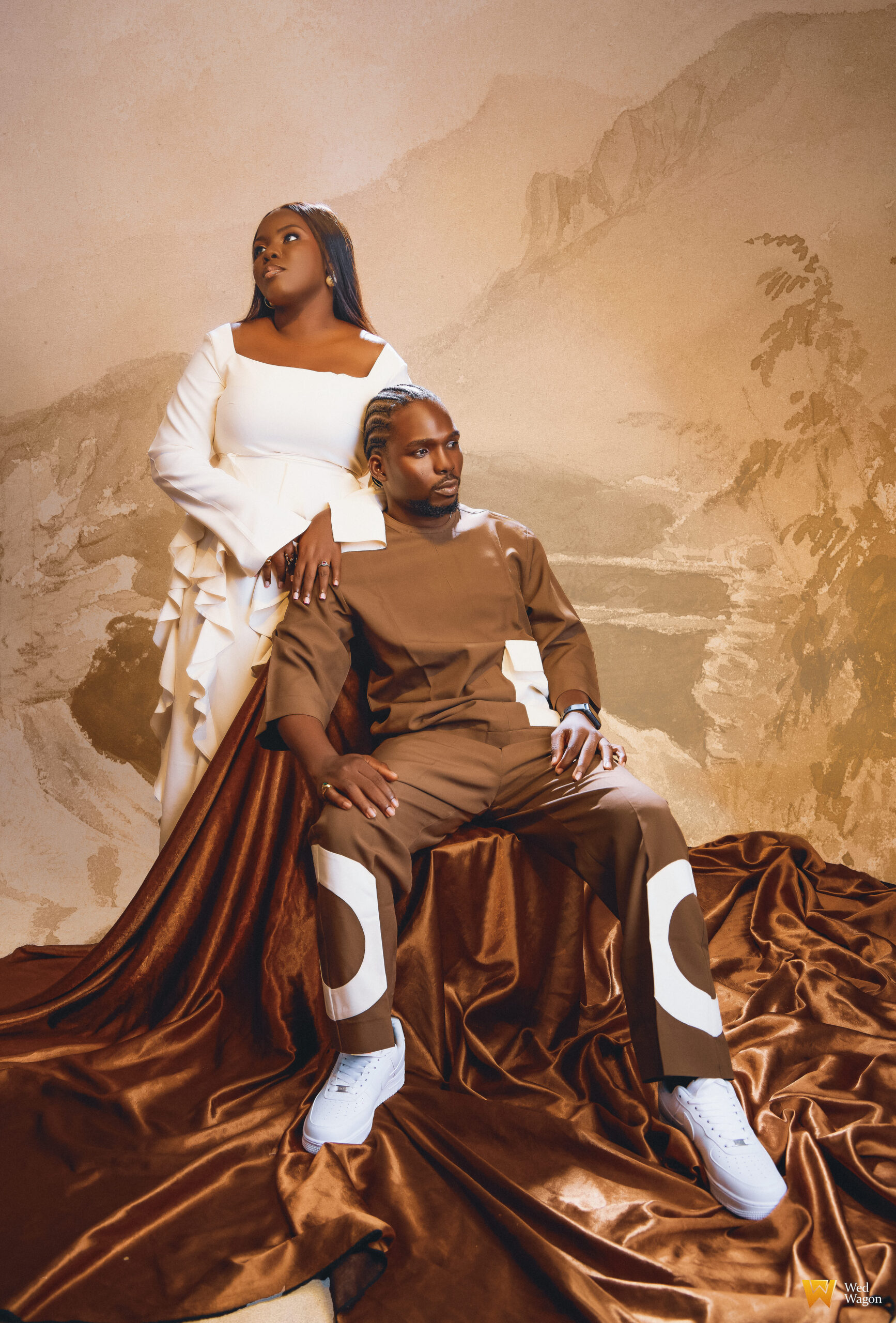
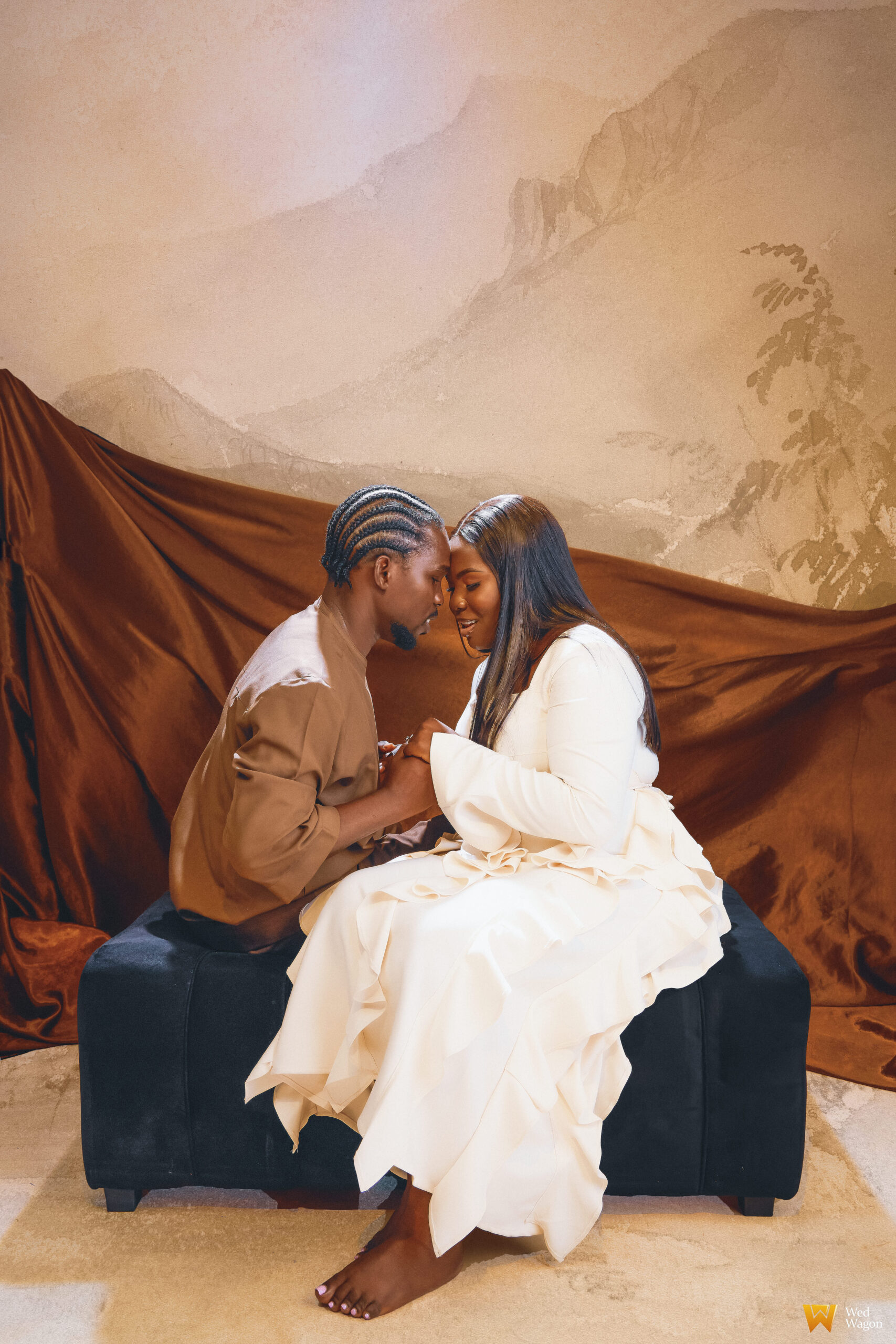
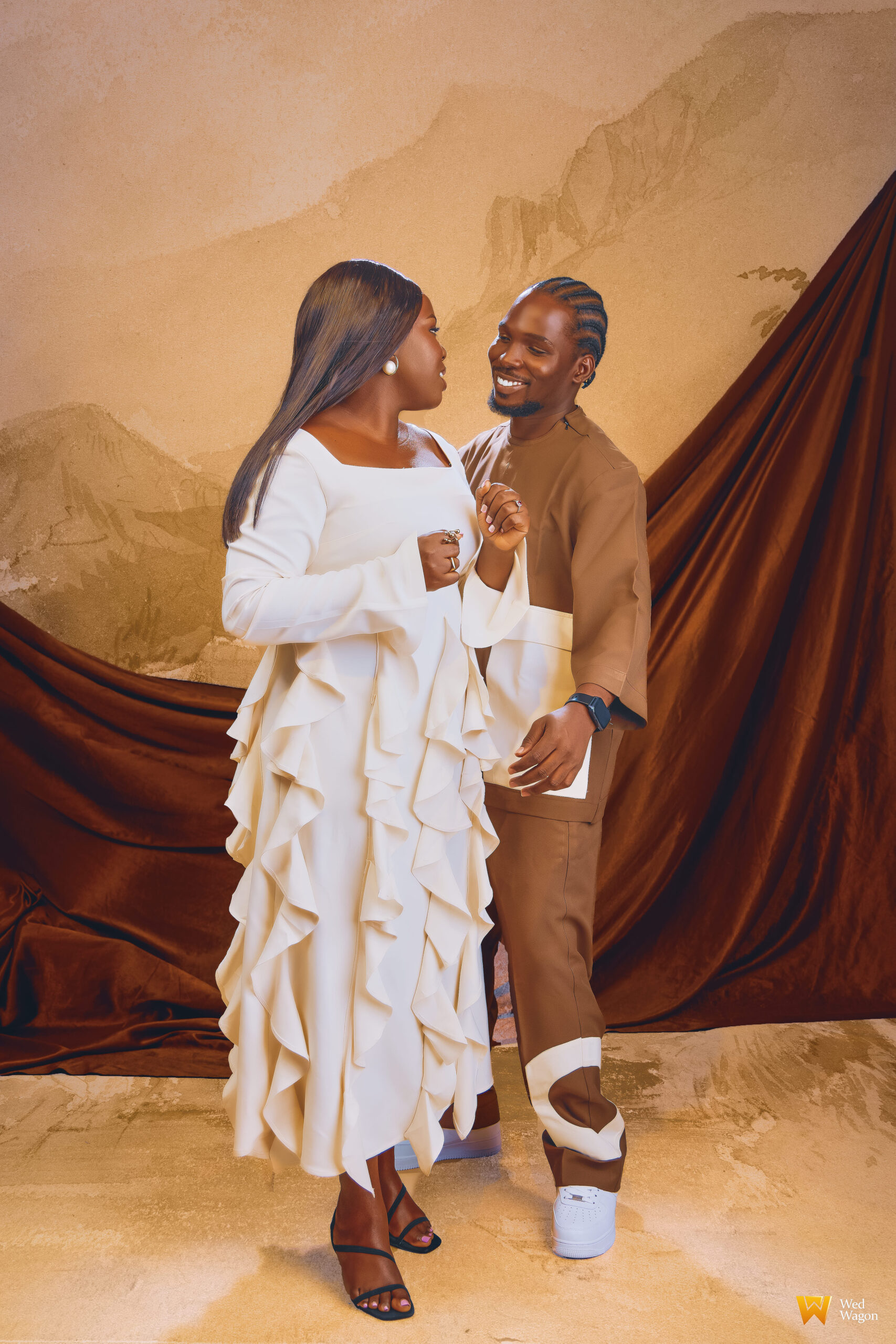
2. Translating Ideas Into Visual Direction
Once the intention is clear, I begin translating it visually and this is where choices start to form quietly:
- From colour and mood choices (does this story need softness or contrast?)
- Lens choices (should the images feel intimate or expansive?)
- To lighting choices (what kind of light supports the emotion, not just the subject?)
I think about mood before composition, and atmosphere before aesthetics. The goal isn’t to impress, but to communicate. At this stage, I’m not locking myself into rigid ideas. I’m creating a framework that allows flexibility on the day of the shoot.
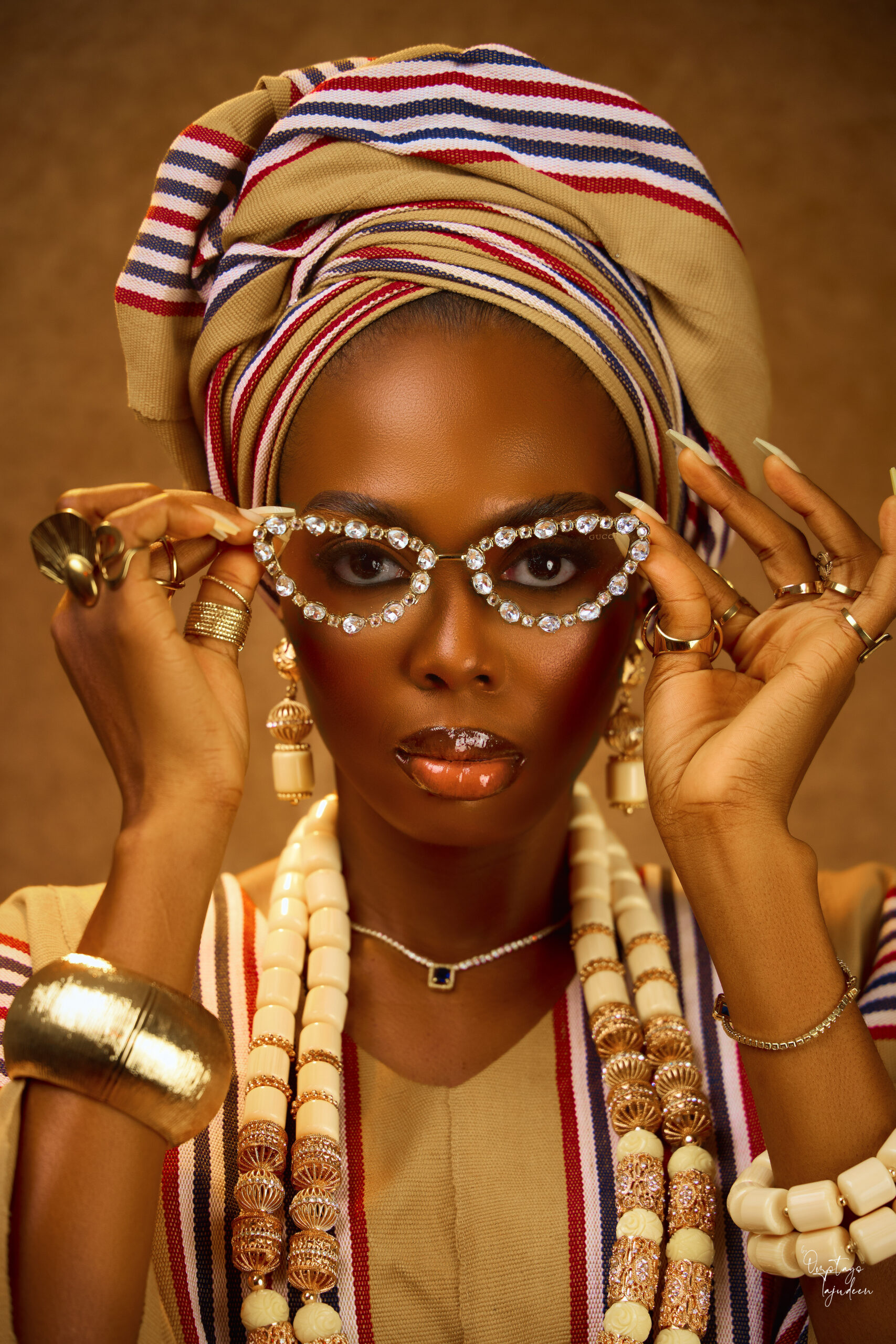
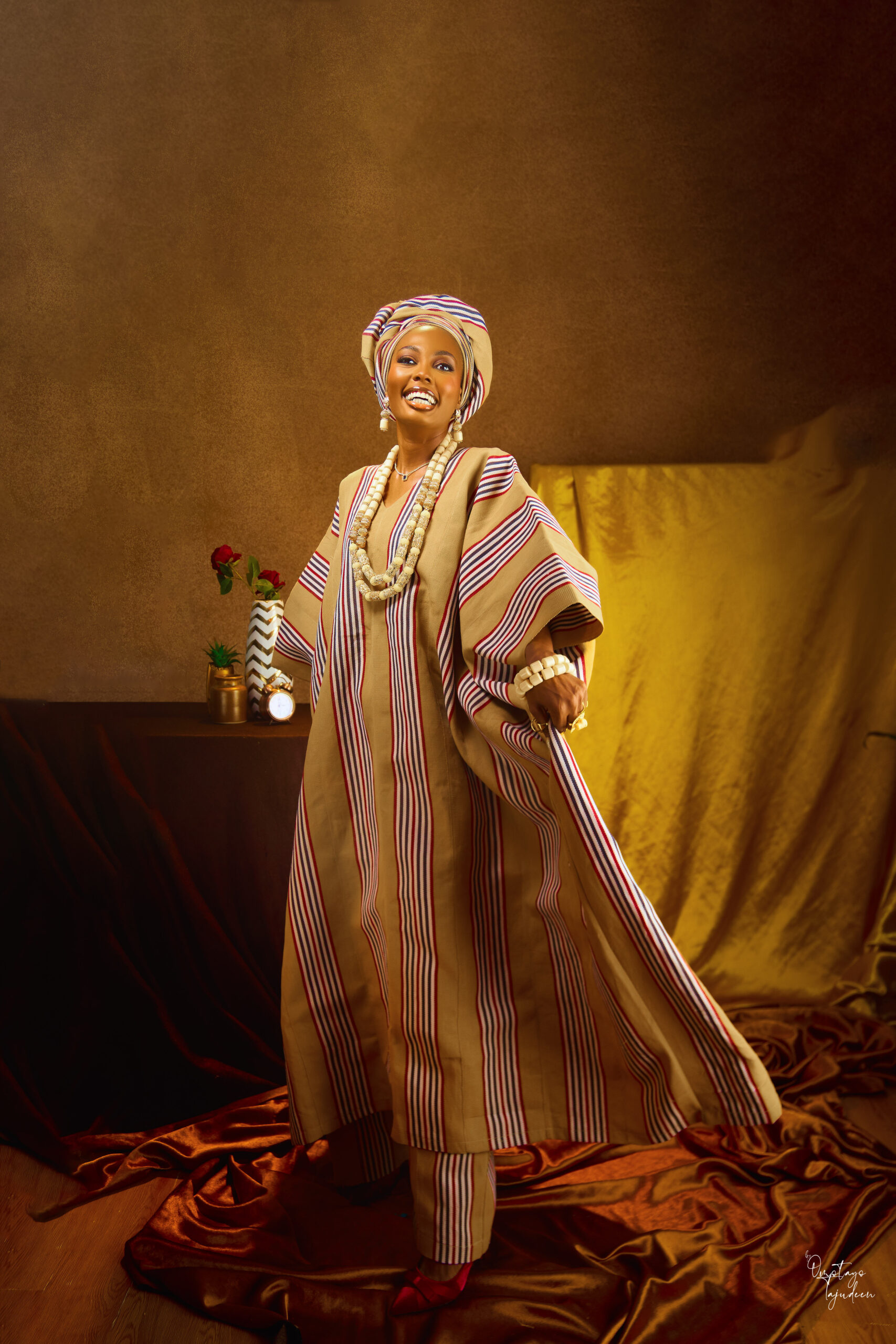
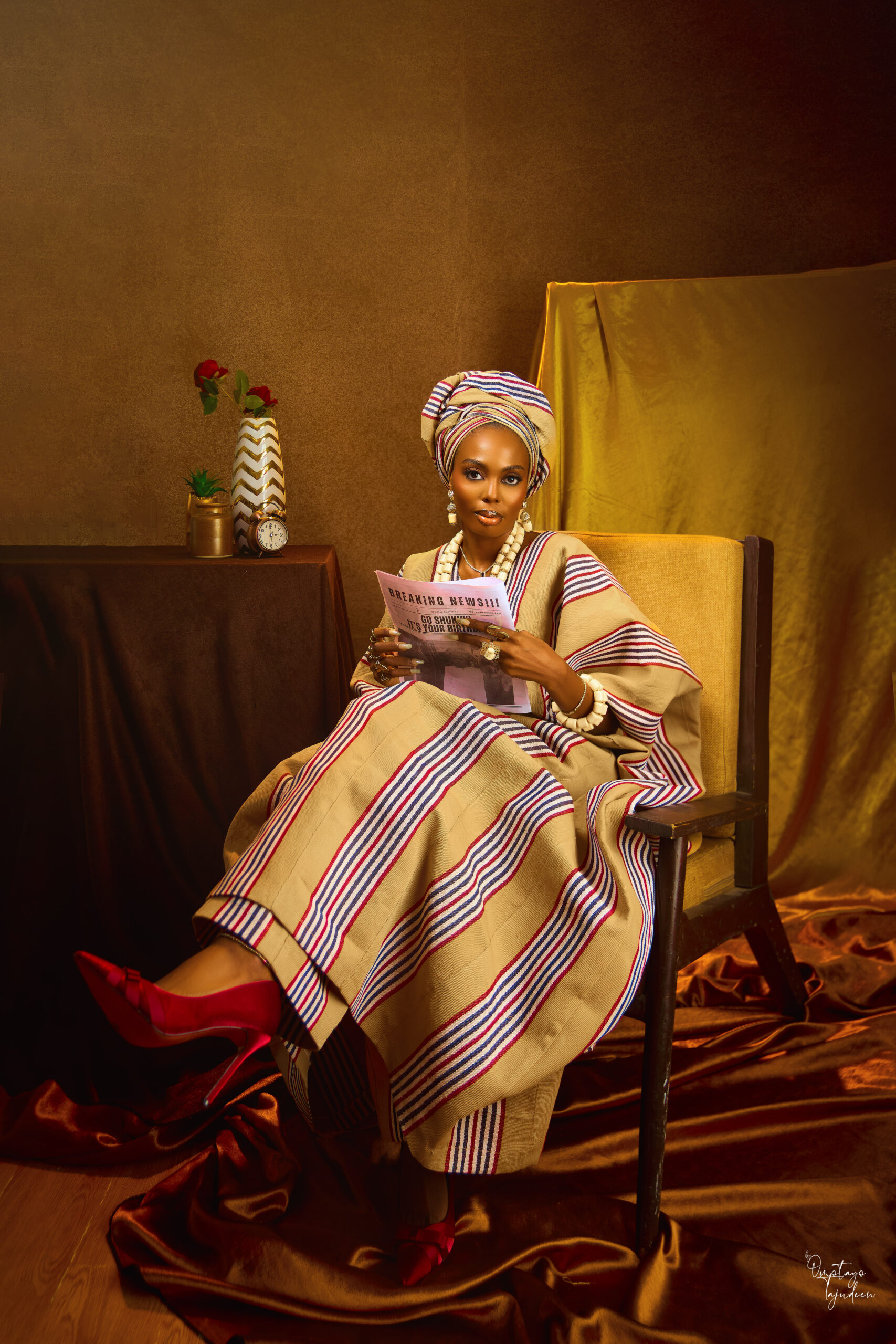
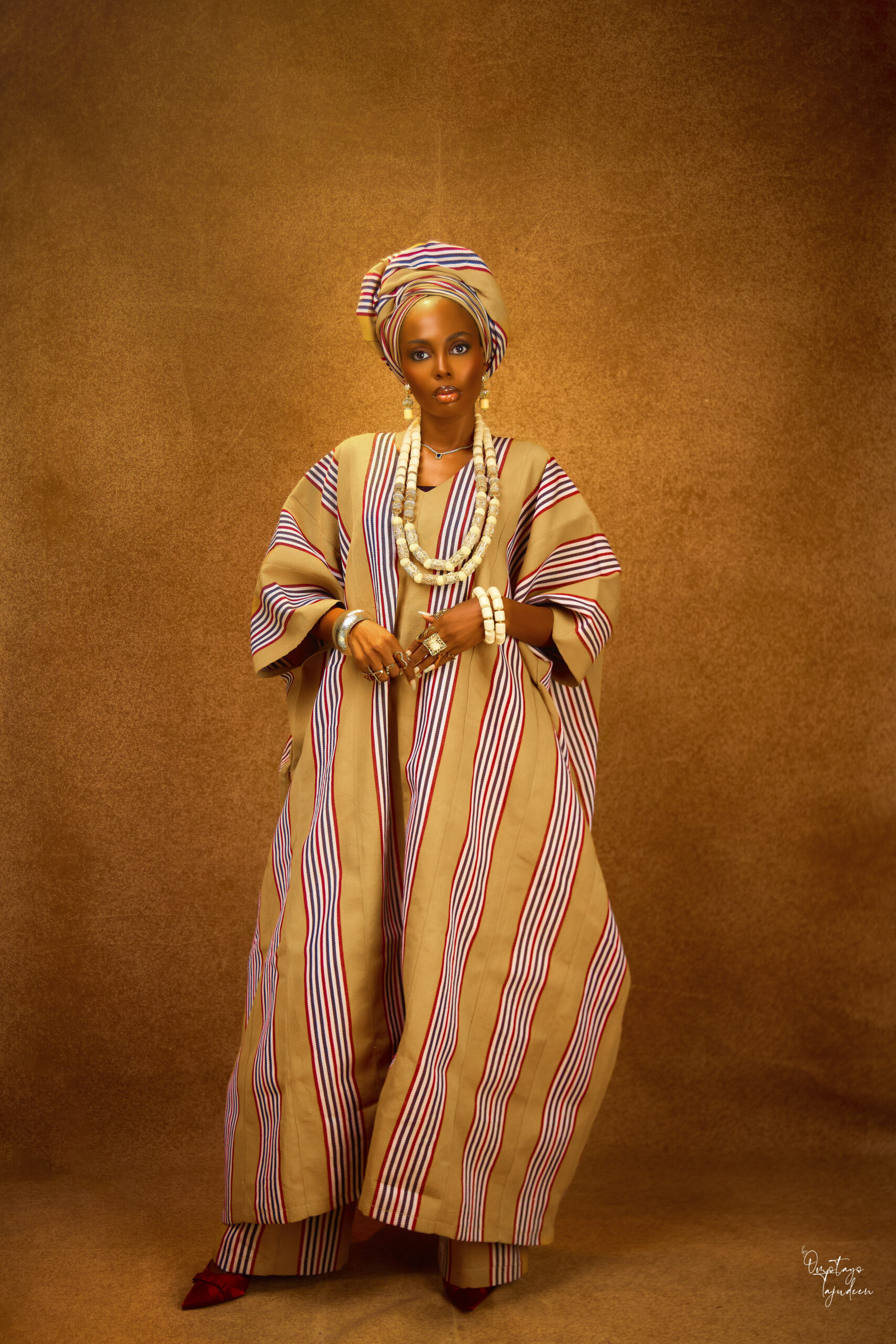
3. Responding, Not Forcing
On set, or in the field, my focus is presence.
No matter how well a shoot is planned, real moments can’t be scripted. People behave differently than expected. Light changes. Energy shifts. Mood drops. Circumstances happen. And that’s not a problem , that’s where honesty lives. My job in those moments is to respond, not force. I observe carefully. I adjust gently and I allow space when it’s needed and step in when guidance helps. This balance is what keeps images feeling natural rather than manufactured. The camera becomes a tool for listening.
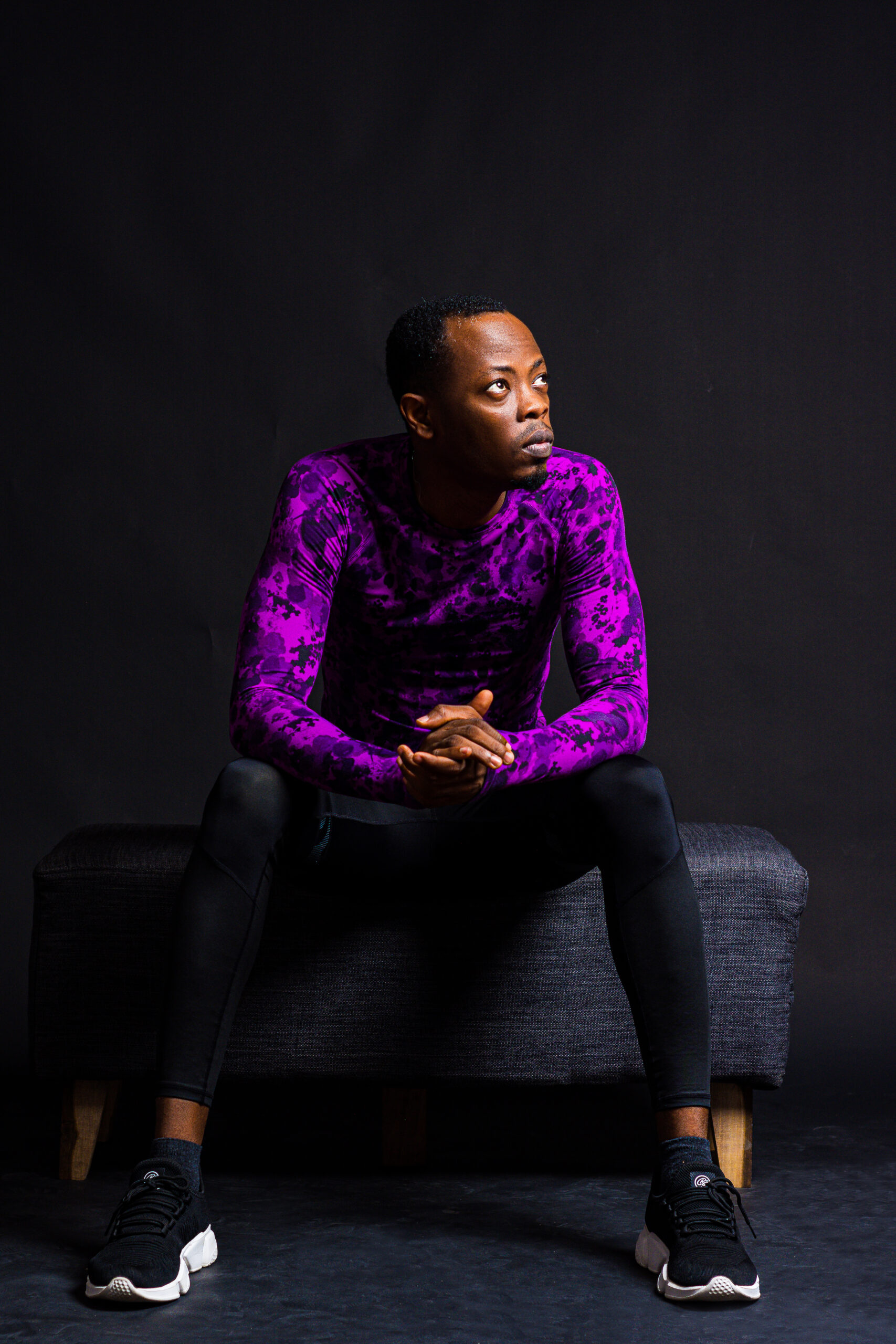
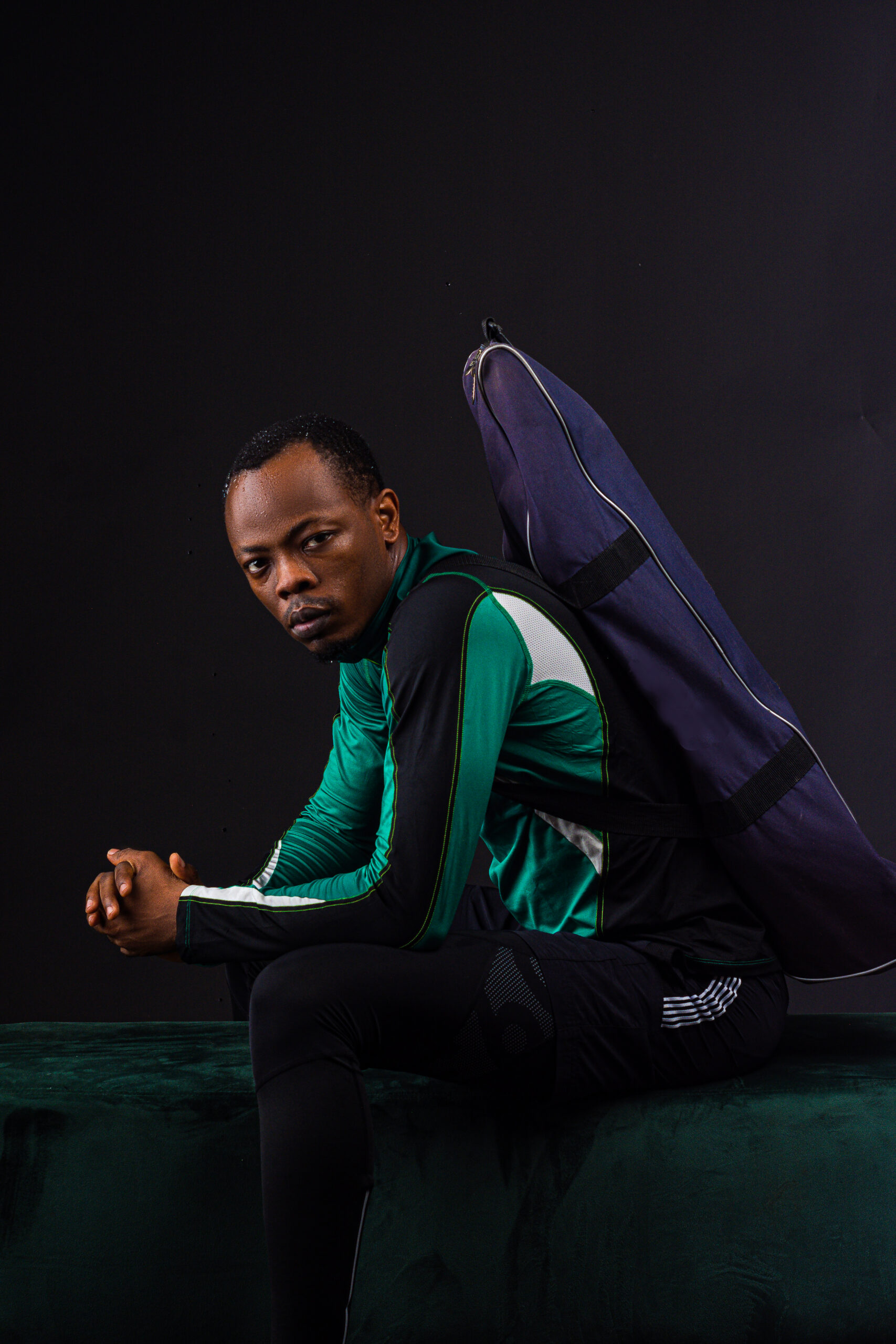
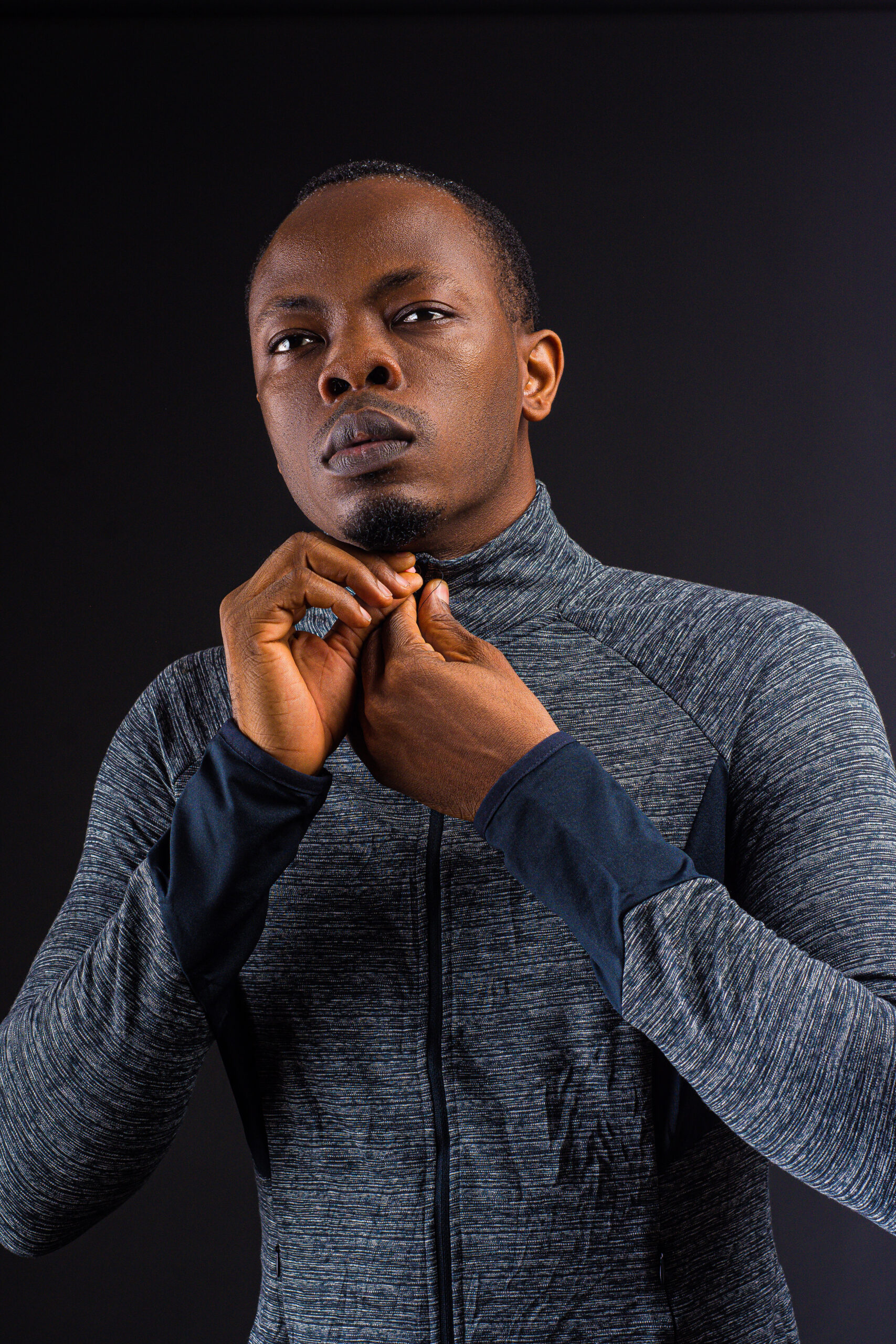
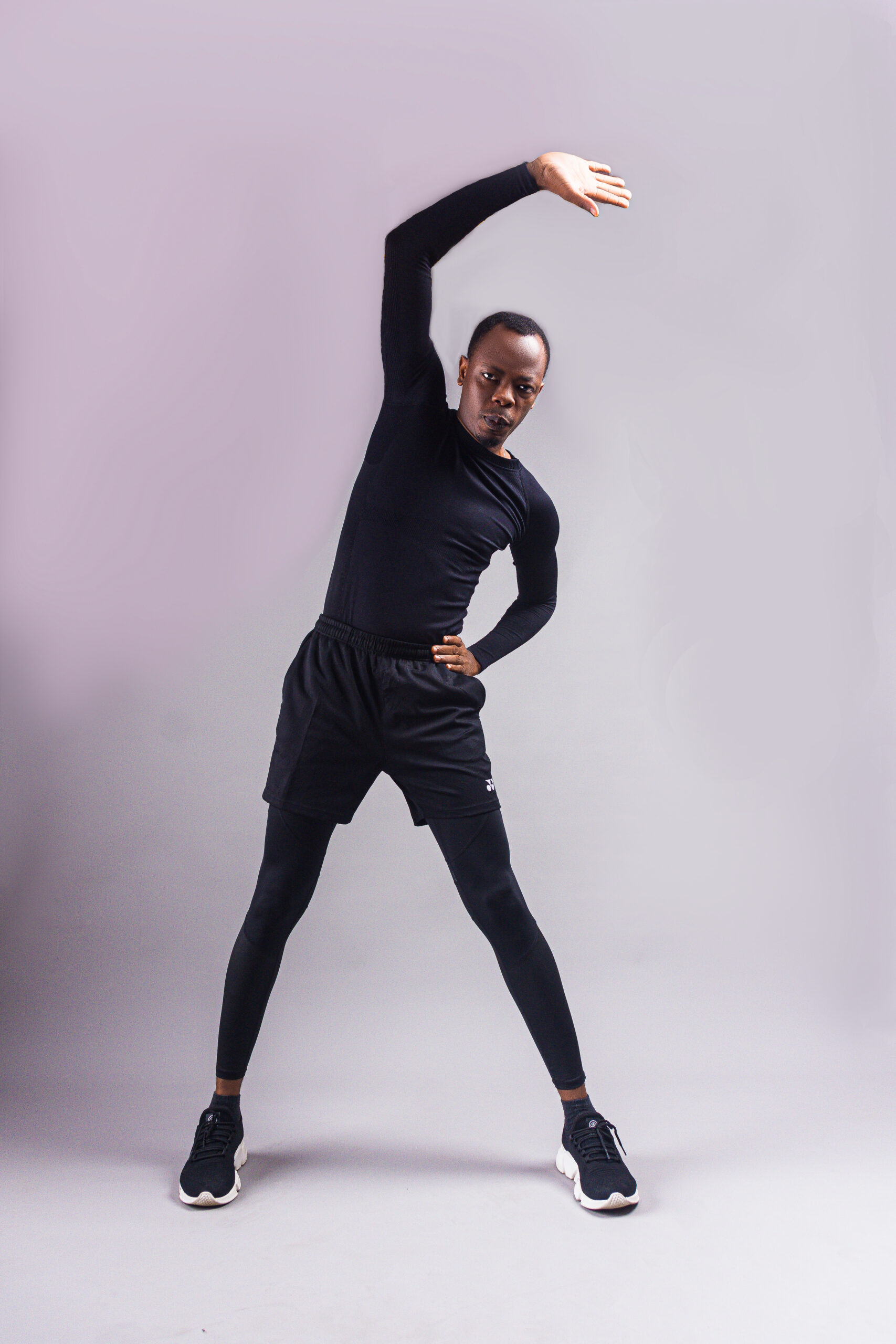
4. Making Editorial Decisions
After the session, the most important work begins quietly. I review the images with distance and intention, asking:
- Which frames carry the story clearly?
- Which moments feel true, not just visually strong?
- What belongs together?
Not every good image is useful. Not every sharp photograph tells the right story. Post production, for me, is not just about editing and colour corrections, but about restraint. It’s about selecting images that feel cohesive, timeless, and aligned with the original intention of the brief.
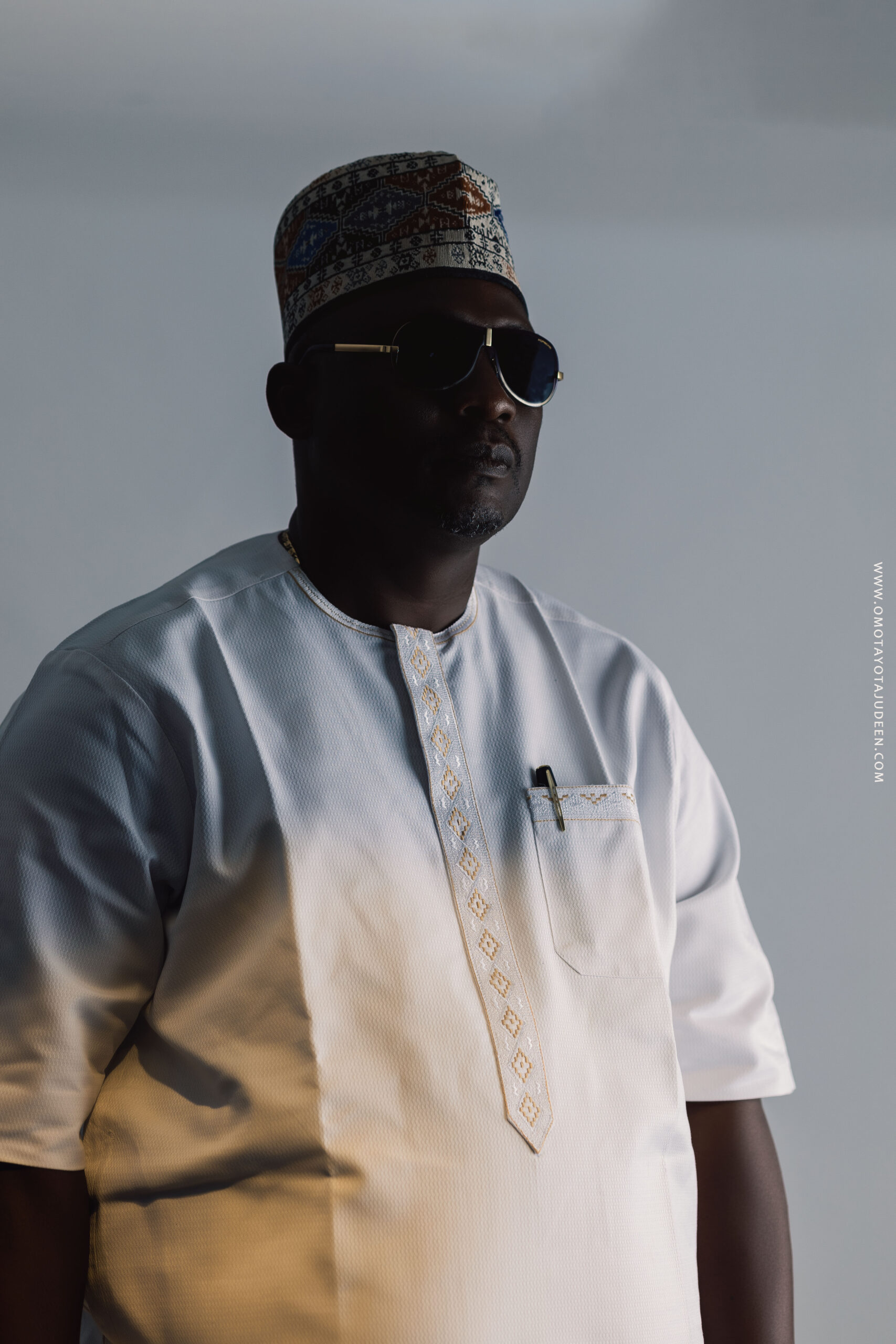
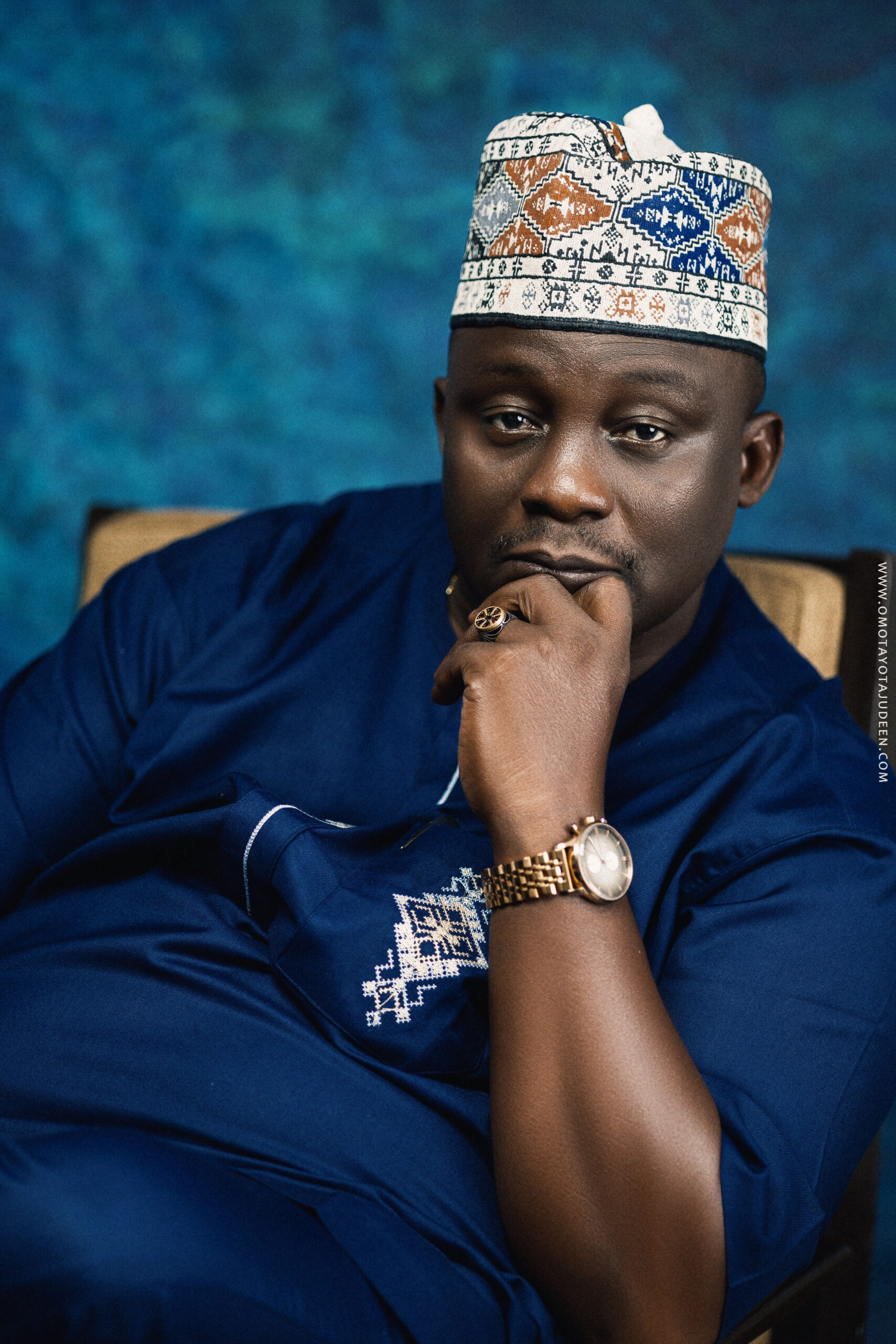
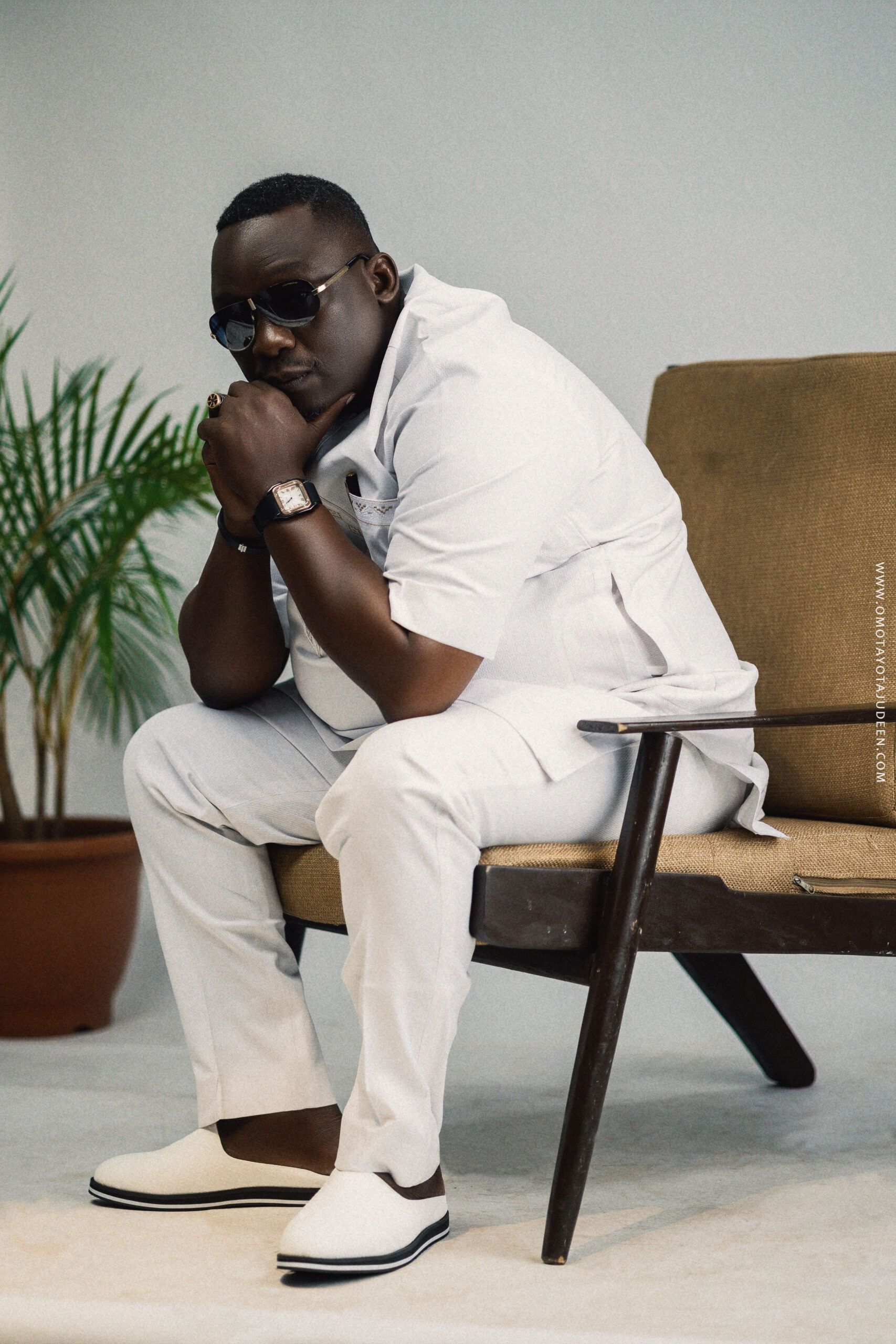
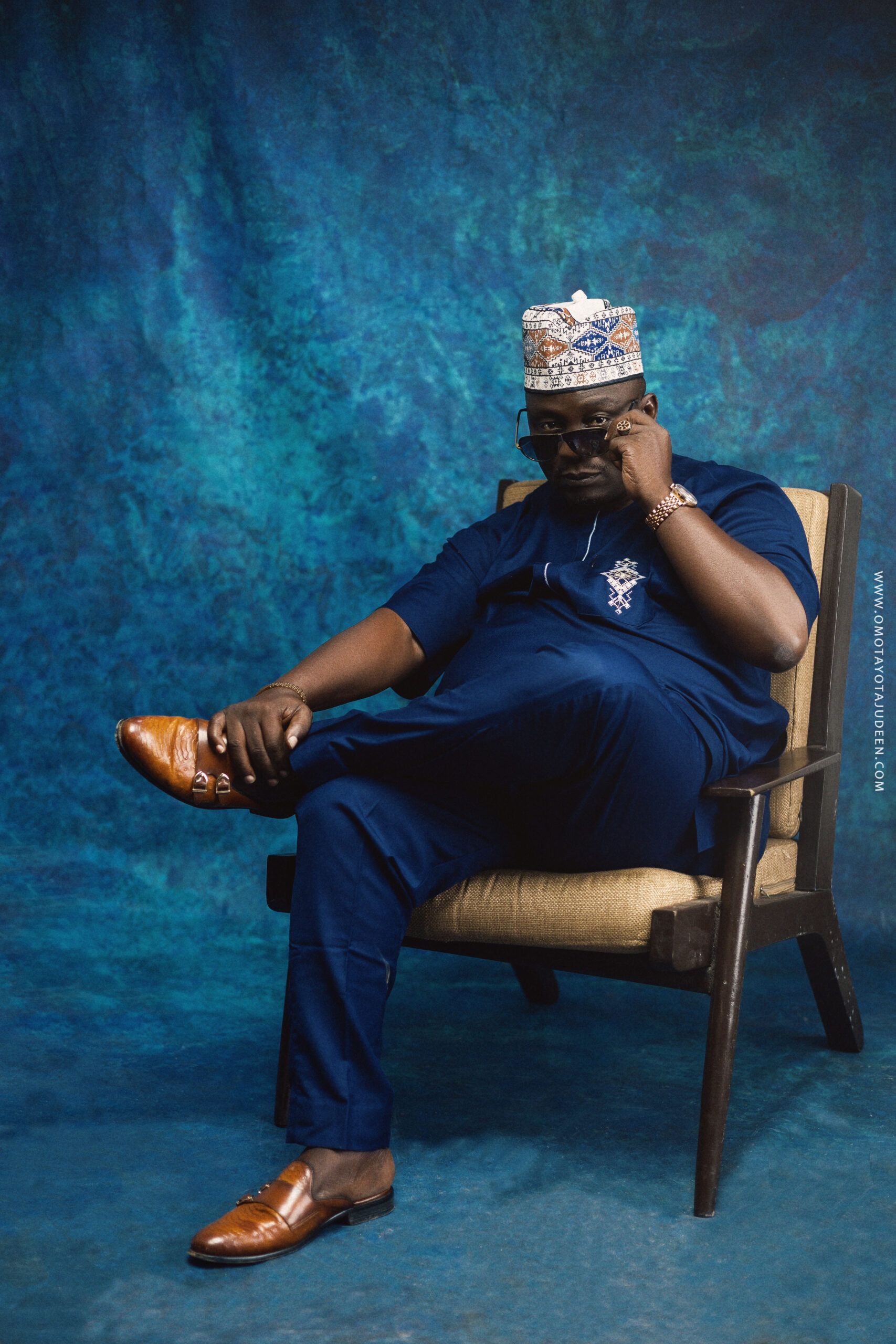
5. Finishing With Longevity in Mind
Final images are treated with care. I’m not chasing trends or heavy-handed effects. I’m thinking about how these photographs will age; how they’ll feel months or years from now, in different contexts. The goal is consistency, clarity, and longevity.
When the work is delivered, it should feel complete, well thought through and ready to live beyond the moment it was made.
From brief to final image, my process is less about control and more about understanding. Understanding the subject, understanding the context and understanding what truly matters.
That understanding is what shapes the photographs and it’s what allows the images to speak clearly, even long after the production is over.