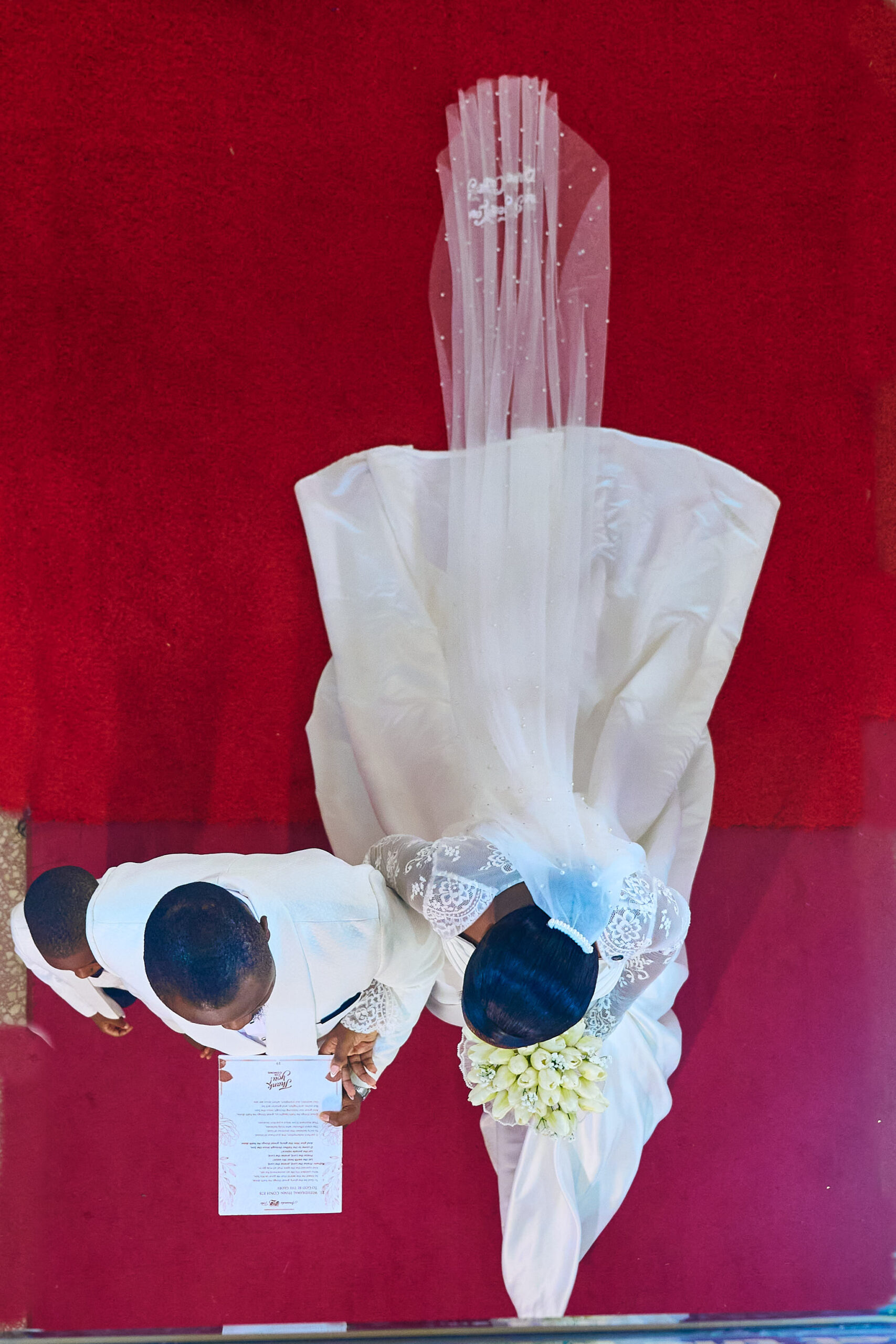
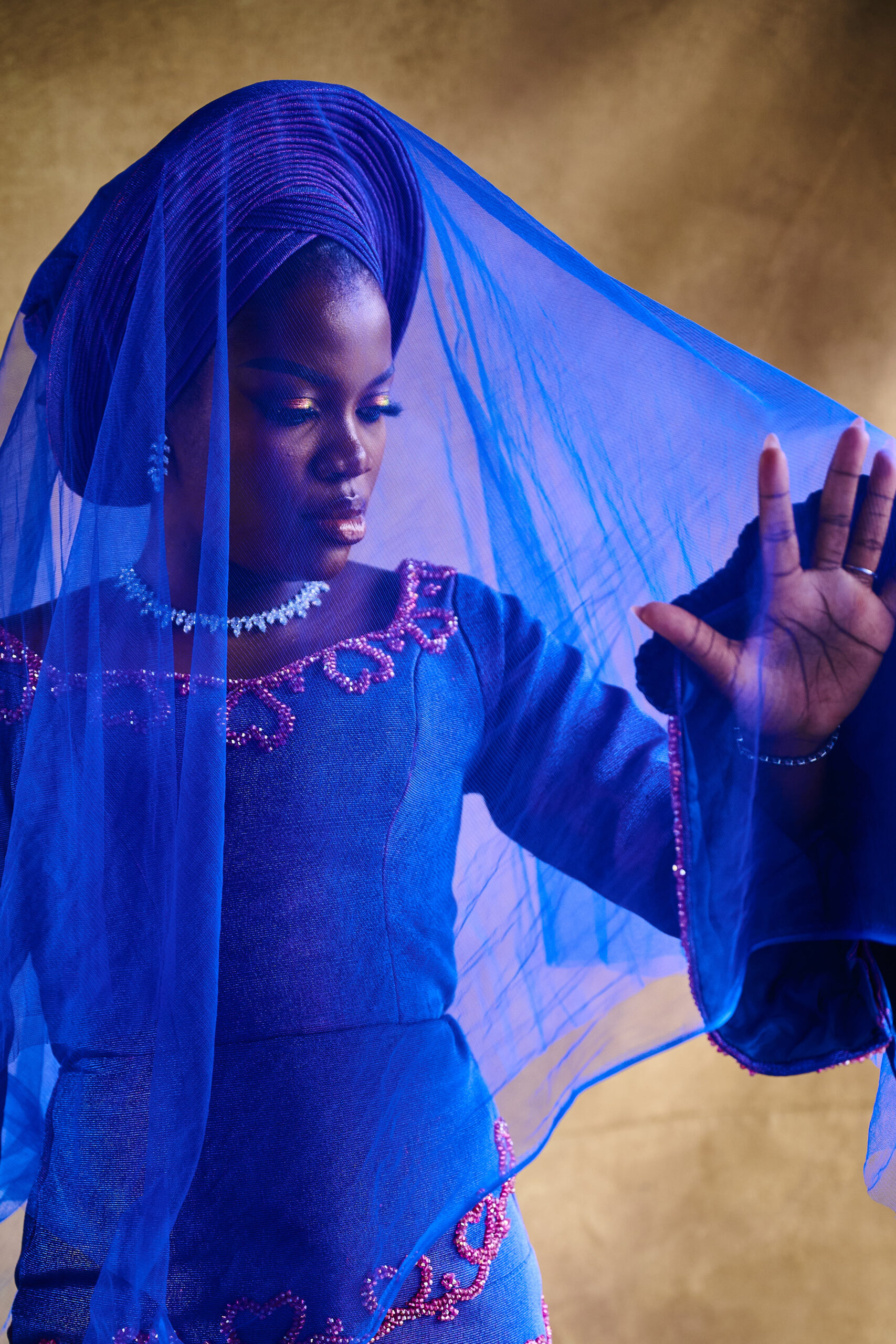
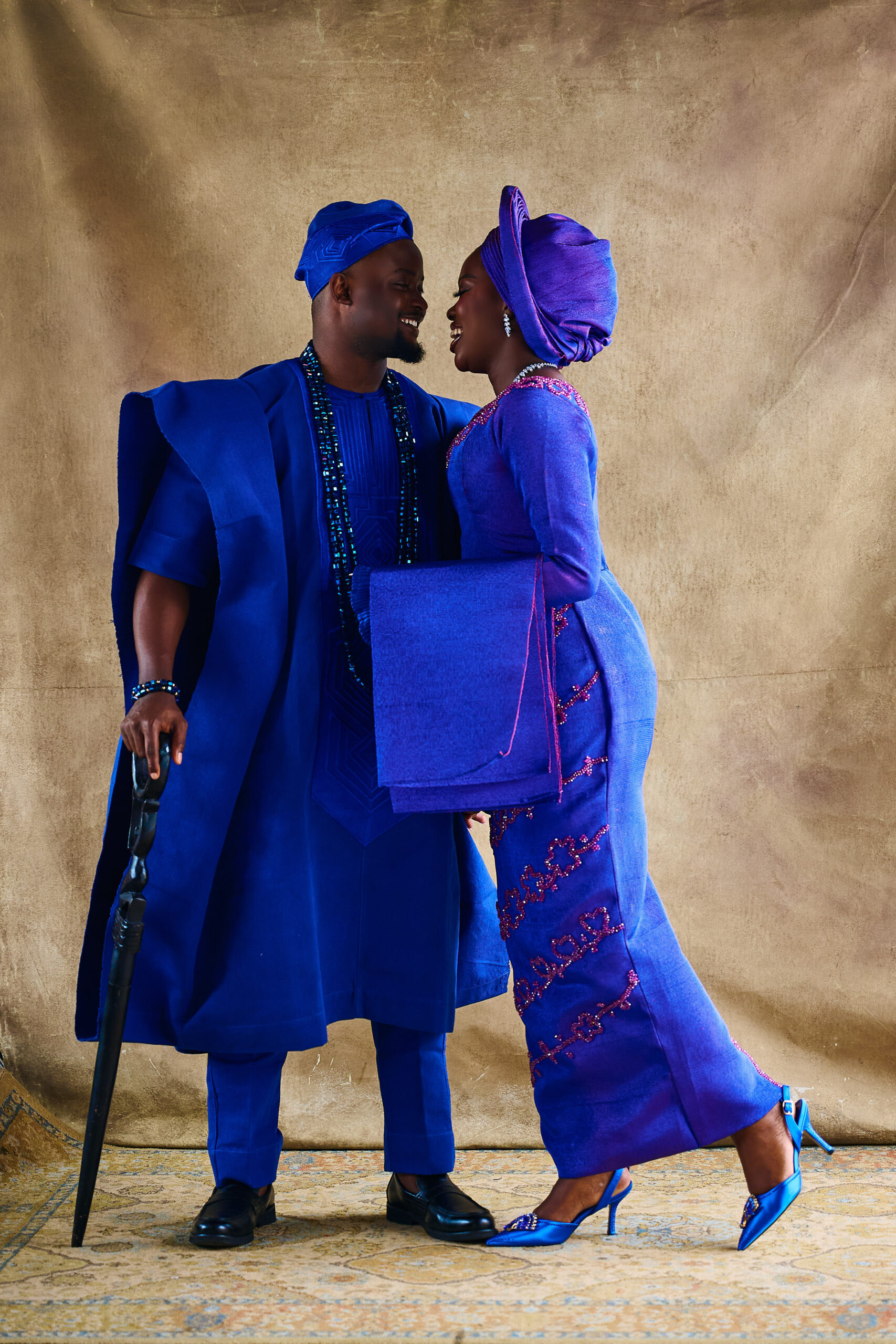
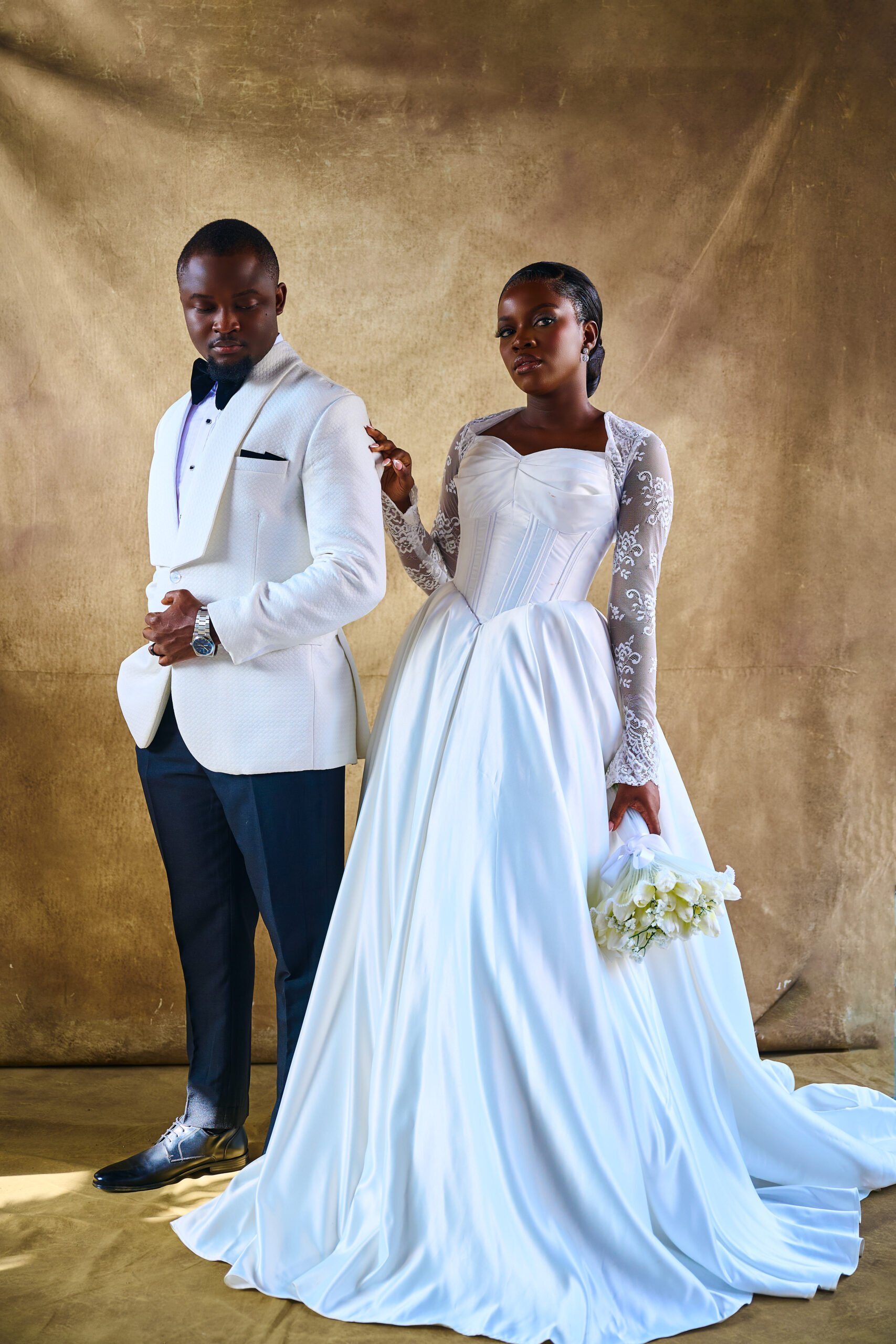
When there is time, there is space to understand. And it’s not just understanding what needs to be photographed, but why that thing needs or should be photographed.
Time is one of the most overlooked elements in photography.
It’s easy to focus on what feels more visible – the camera, the lighting, the location, the props, the outfits, final images etc. But beneath all of that, time is often the factor that shapes whether photographs feel rushed or considered, surface-level or meaningful. The difference is not always obvious immediately, but it becomes clear over time.

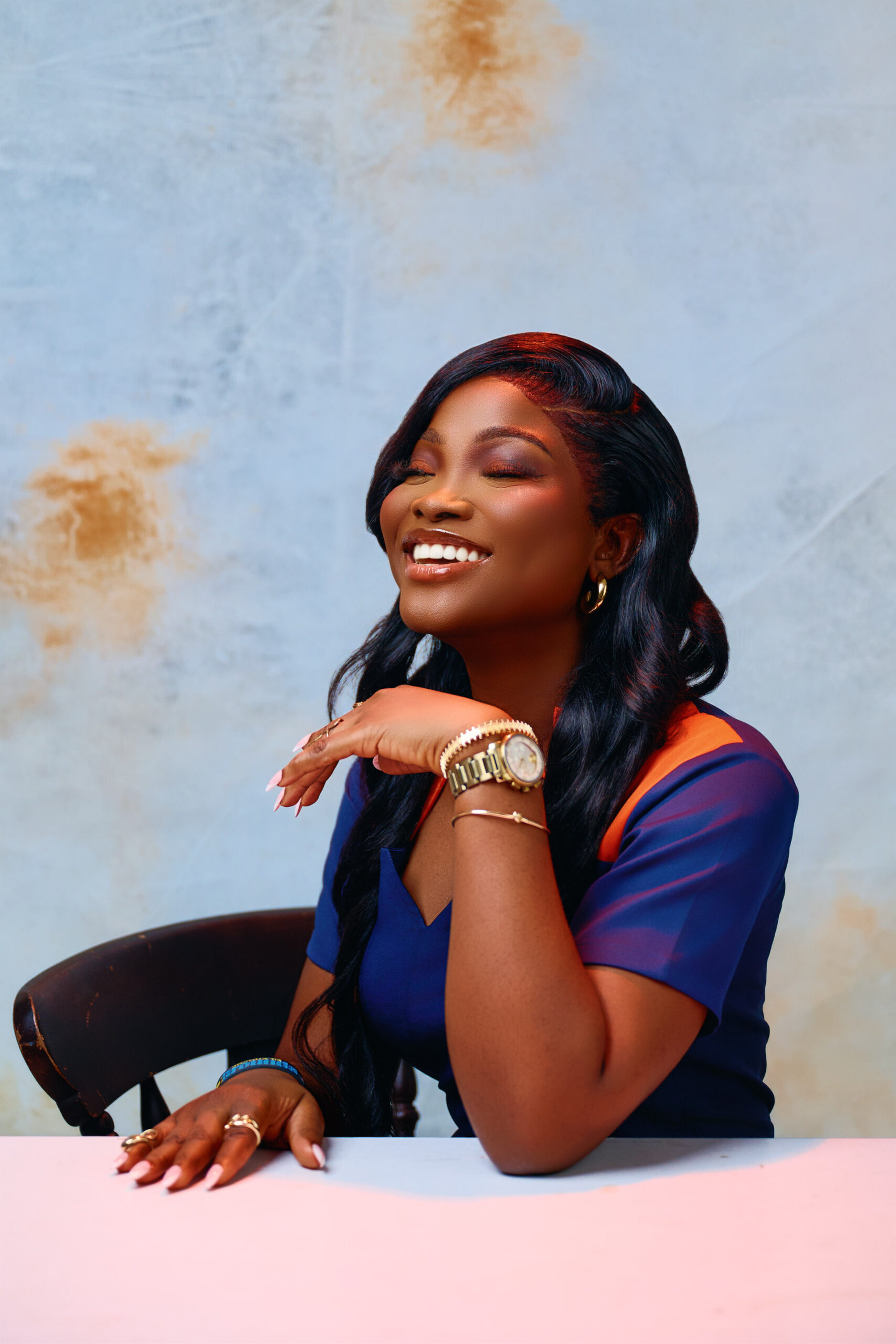
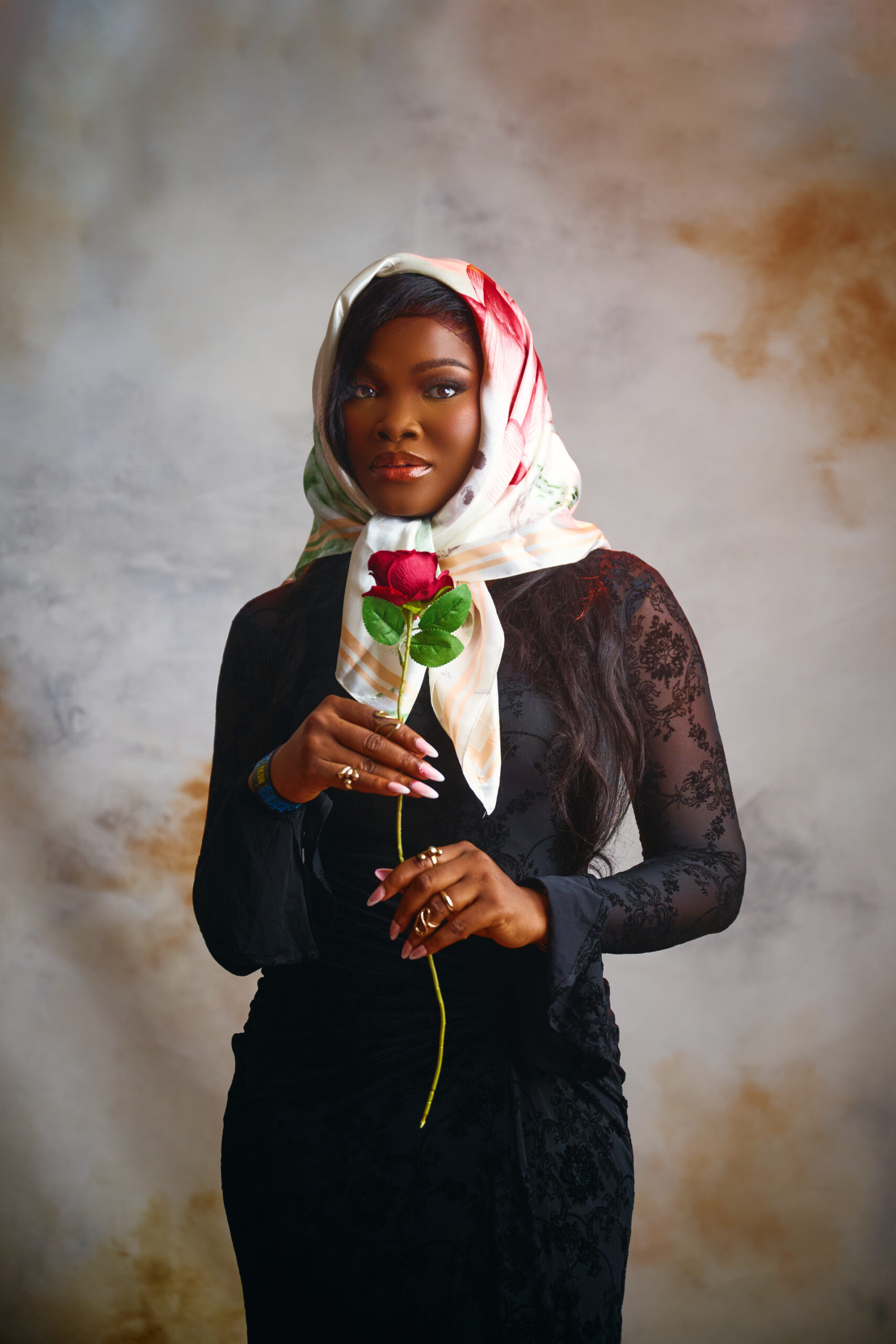
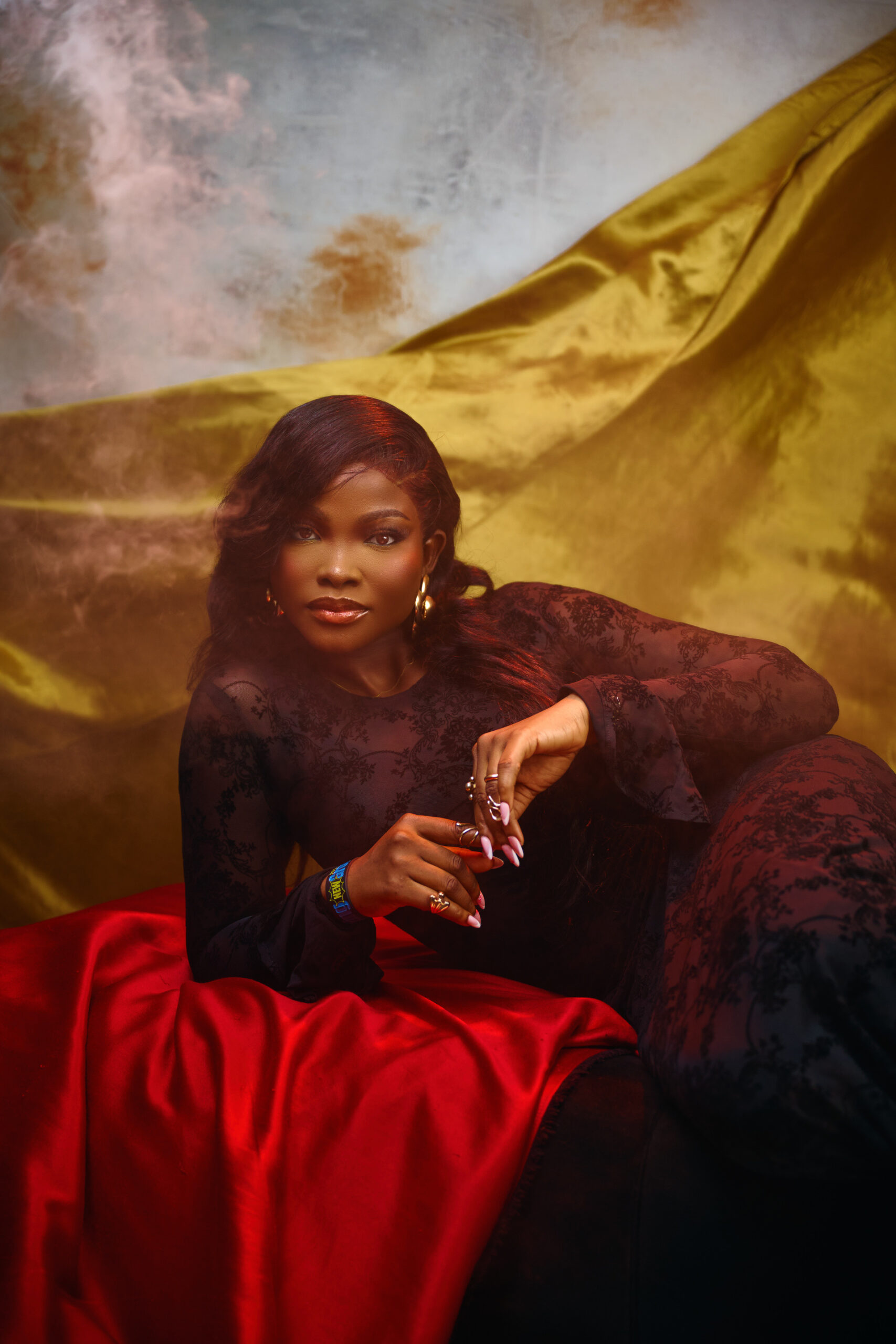
Time Creates Understanding
When there is time, there is space to understand. And it’s not just understanding what needs to be photographed, but why that thing needs or should be photographed.
There is room for conversation. For clarity. For small details to emerge; the kind that doesn’t usually appear in quick exchanges or last-minute decisions.
This understanding shapes everything:
- how the shoot is approached
- how the subject is directed (or not directed)
- how the final images feel
Without time, photography becomes reactive but with time, it becomes intentional.
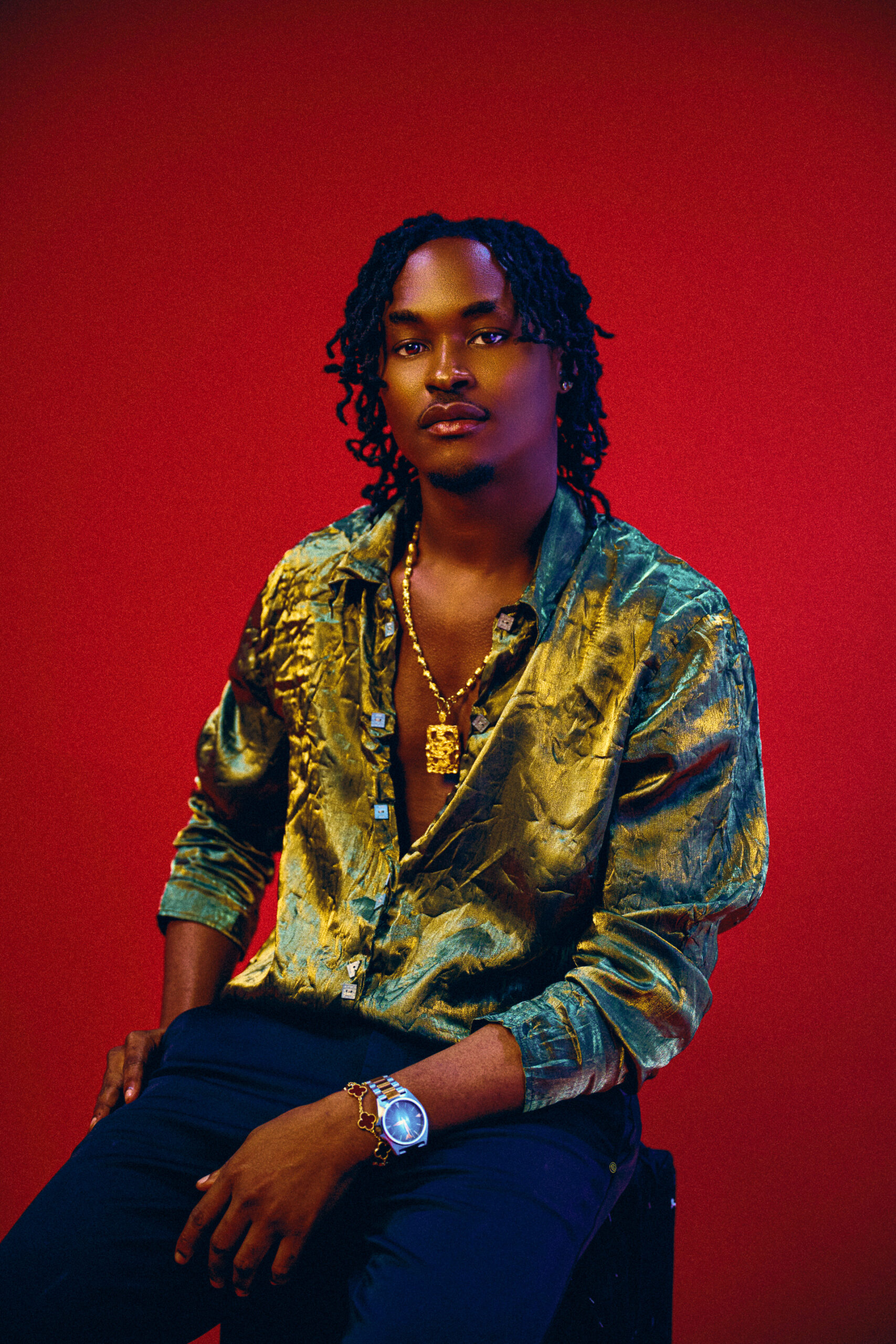
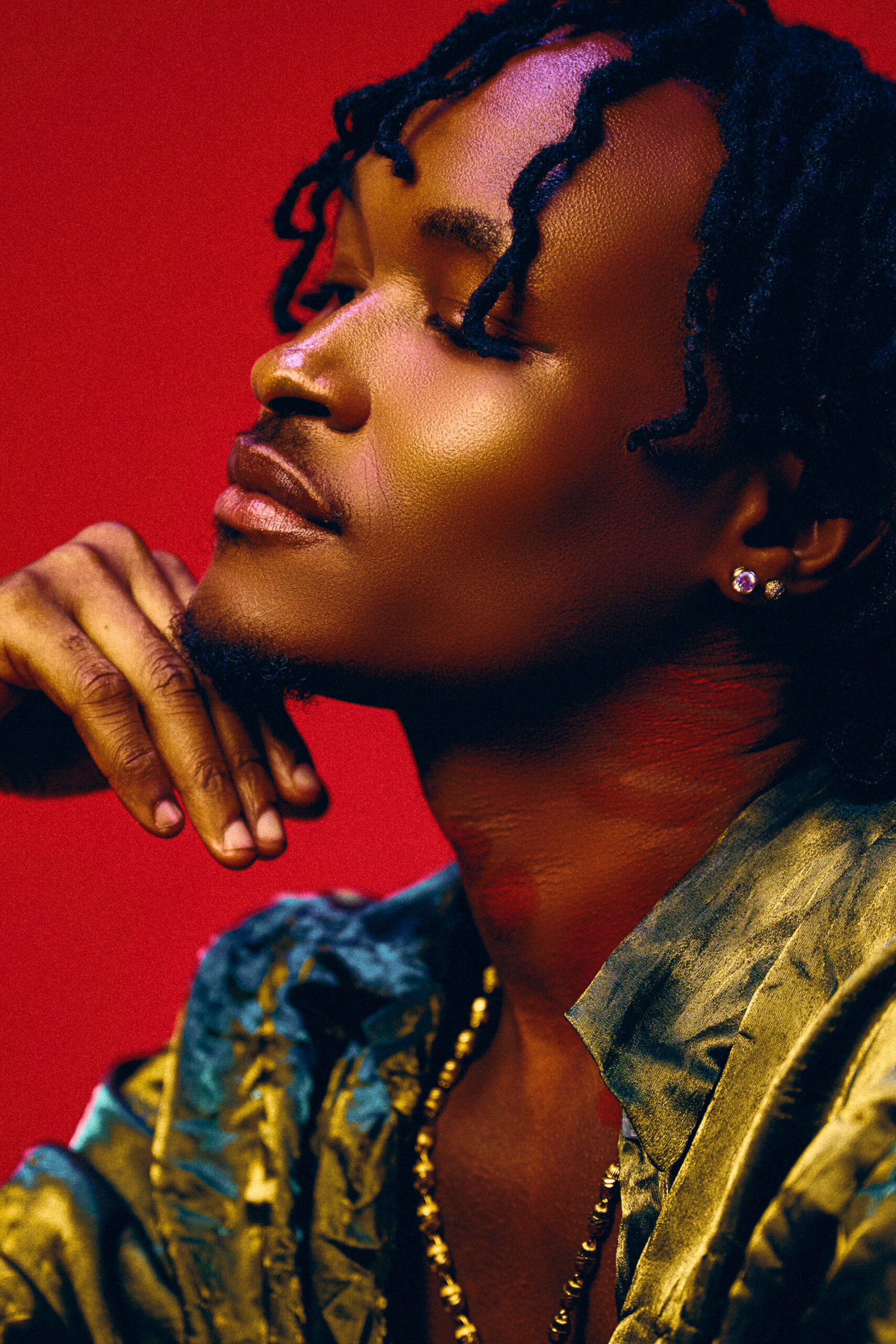
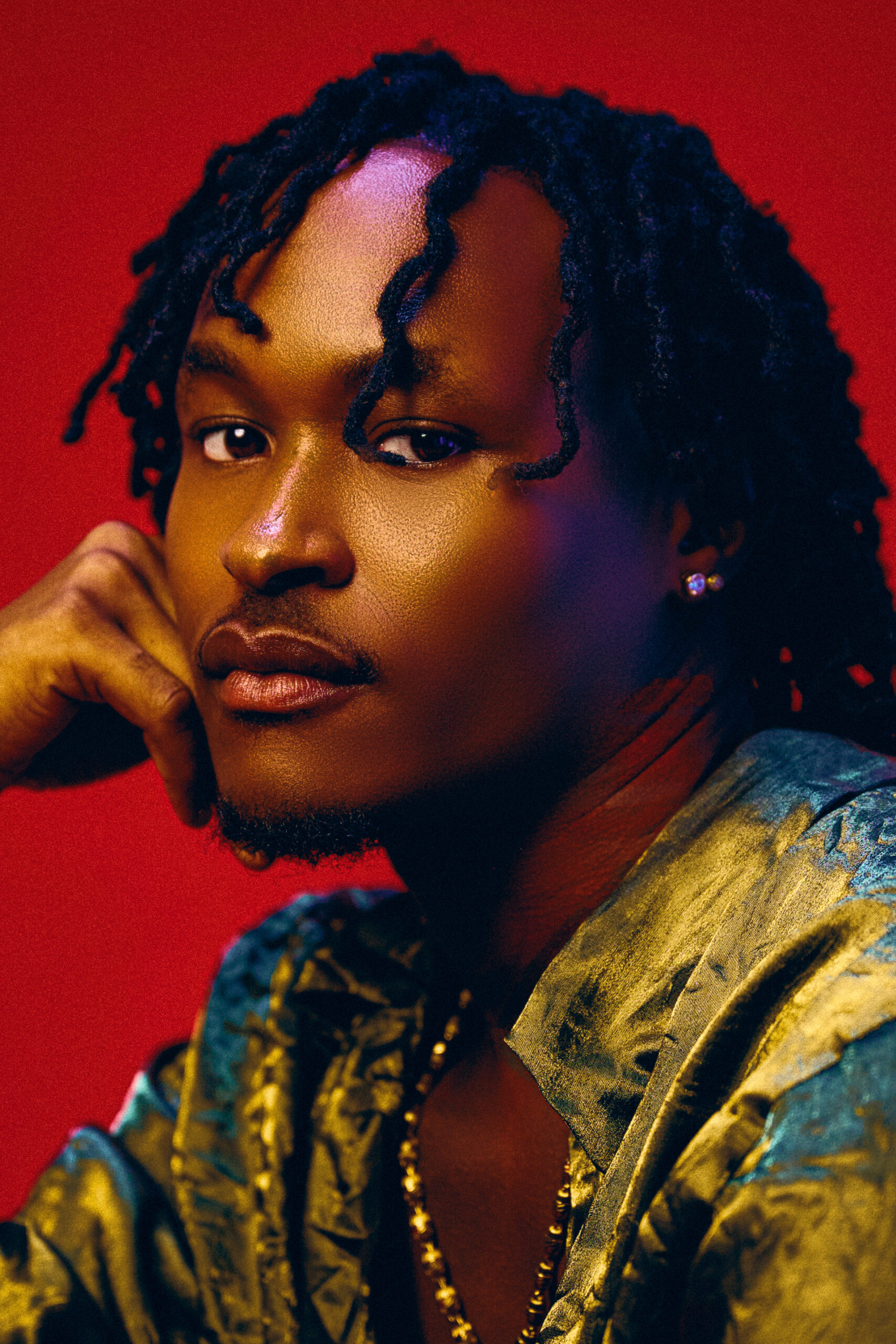
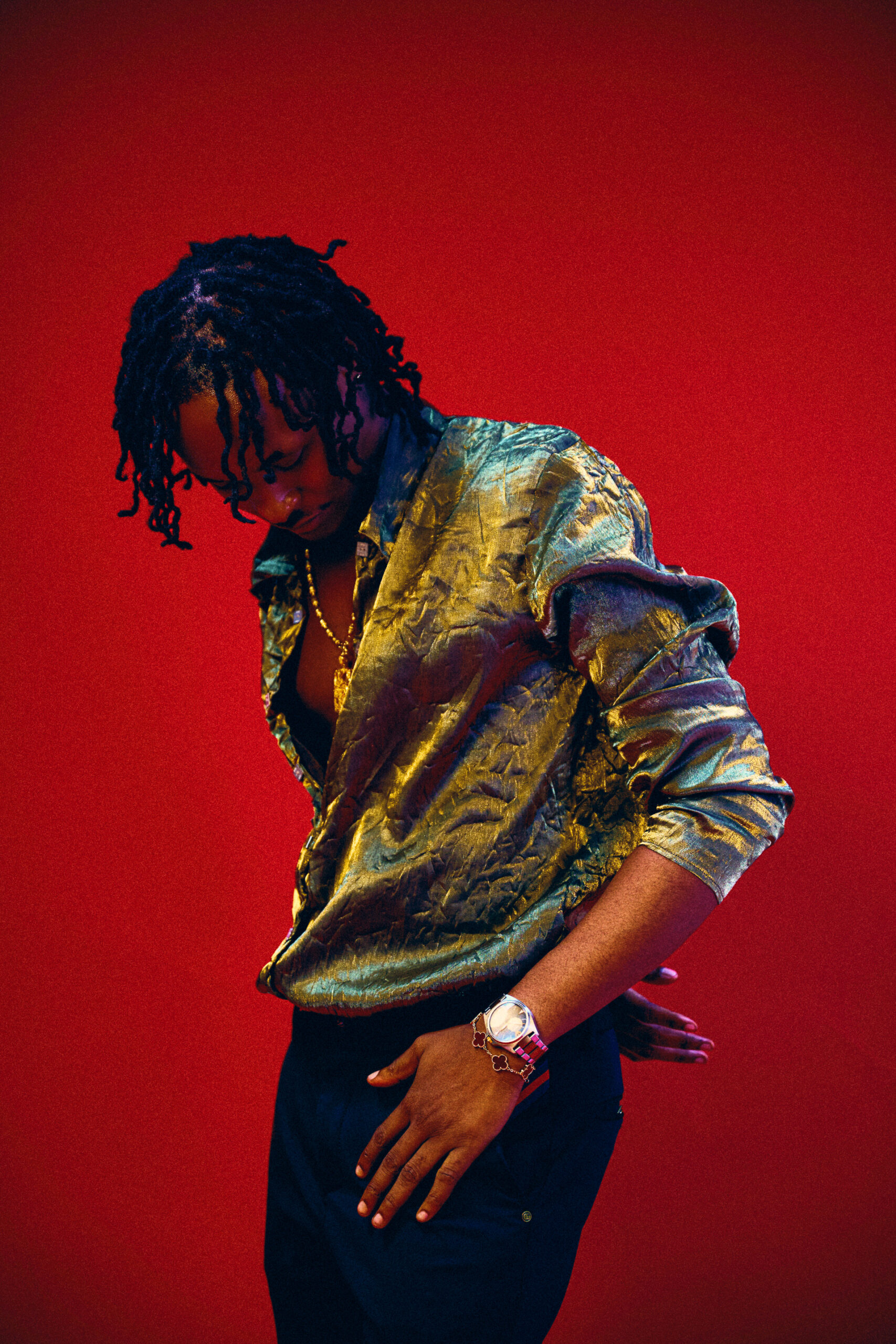
Time Allows People to Settle
Being in front of a camera is not a natural state for most people.
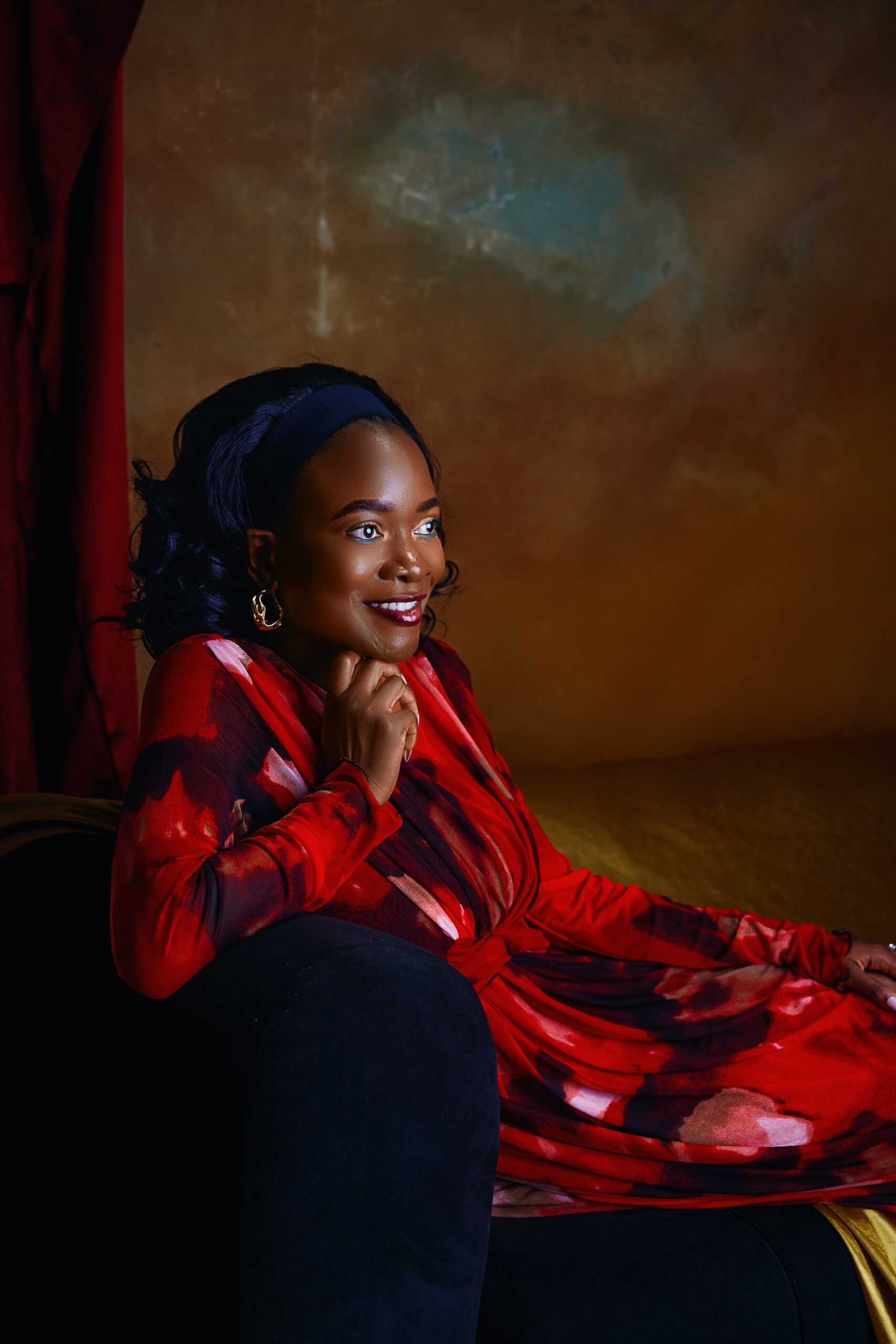
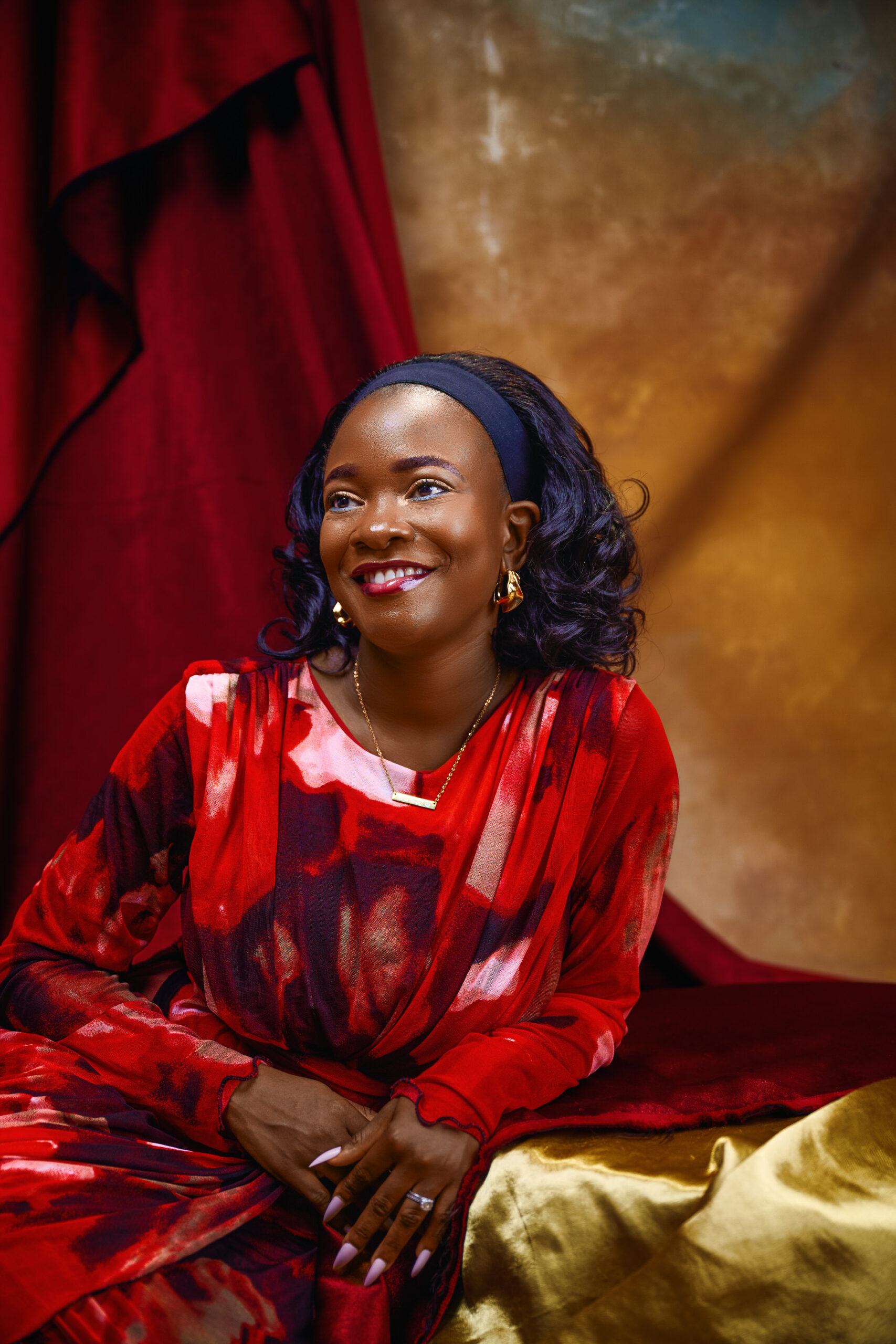
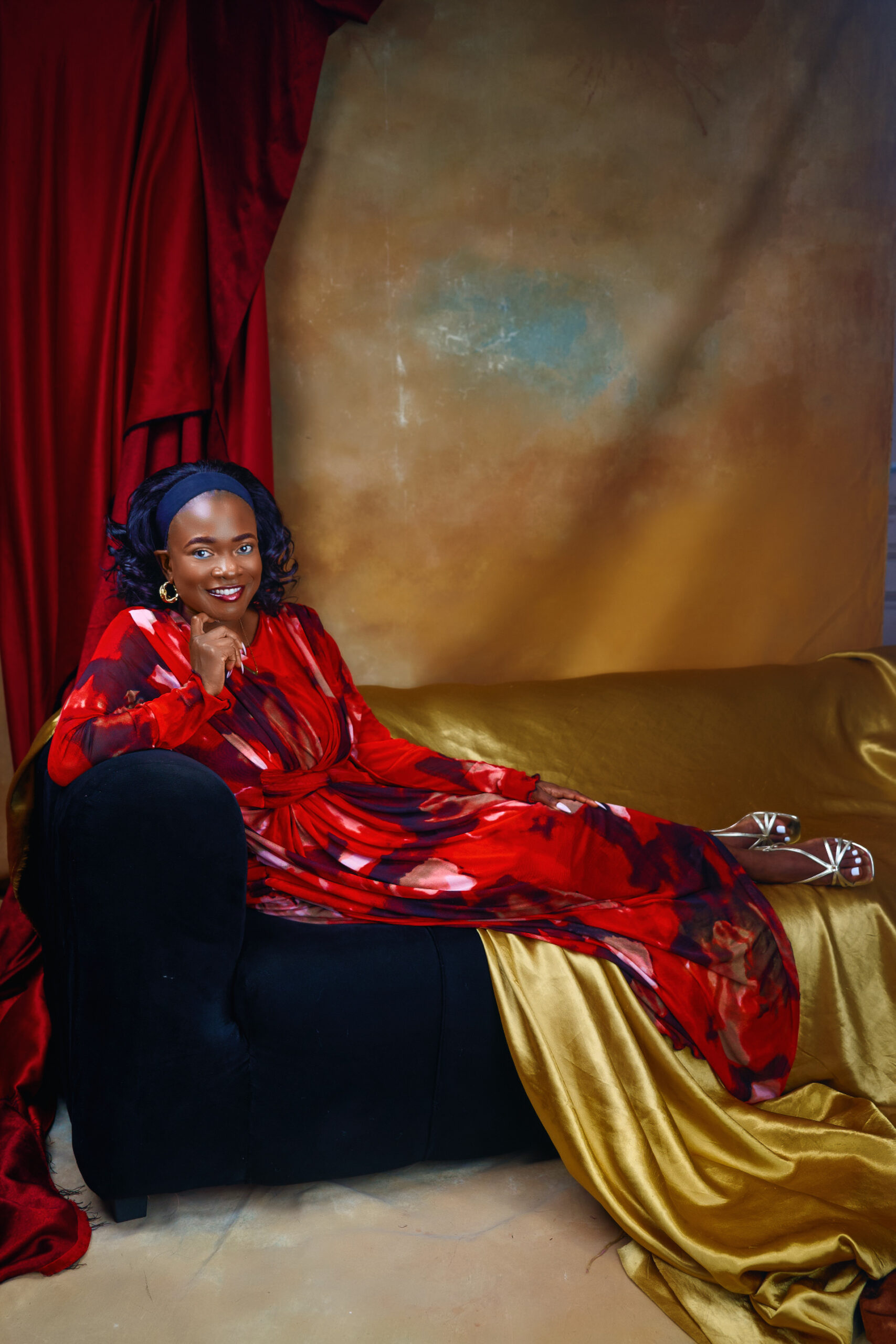
It takes a moment, sometimes longer for people to relax, stop thinking about how they look, and to simply be present. When a shoot is rushed, that transition is cut short. But when there is time, something shifts; posture softens, expressions become more natural and the camera fades into the background. The images that follow tend to feel more honest, because they are not made in the first few minutes of awareness, but in the quiet that comes after.
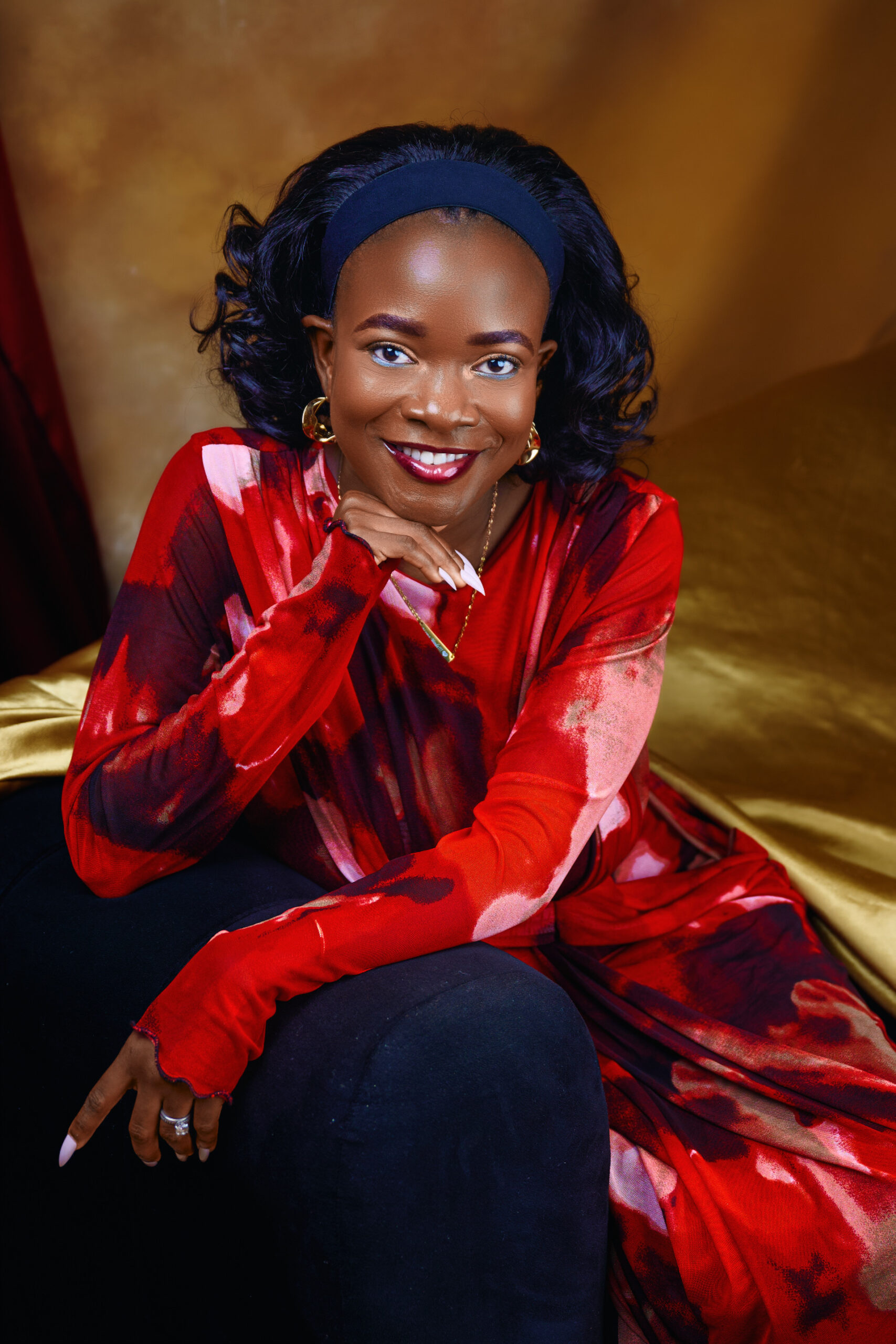
Time Shapes Light and Mood
Light changes.
Not just in brightness, but in quality, direction, and emotion.
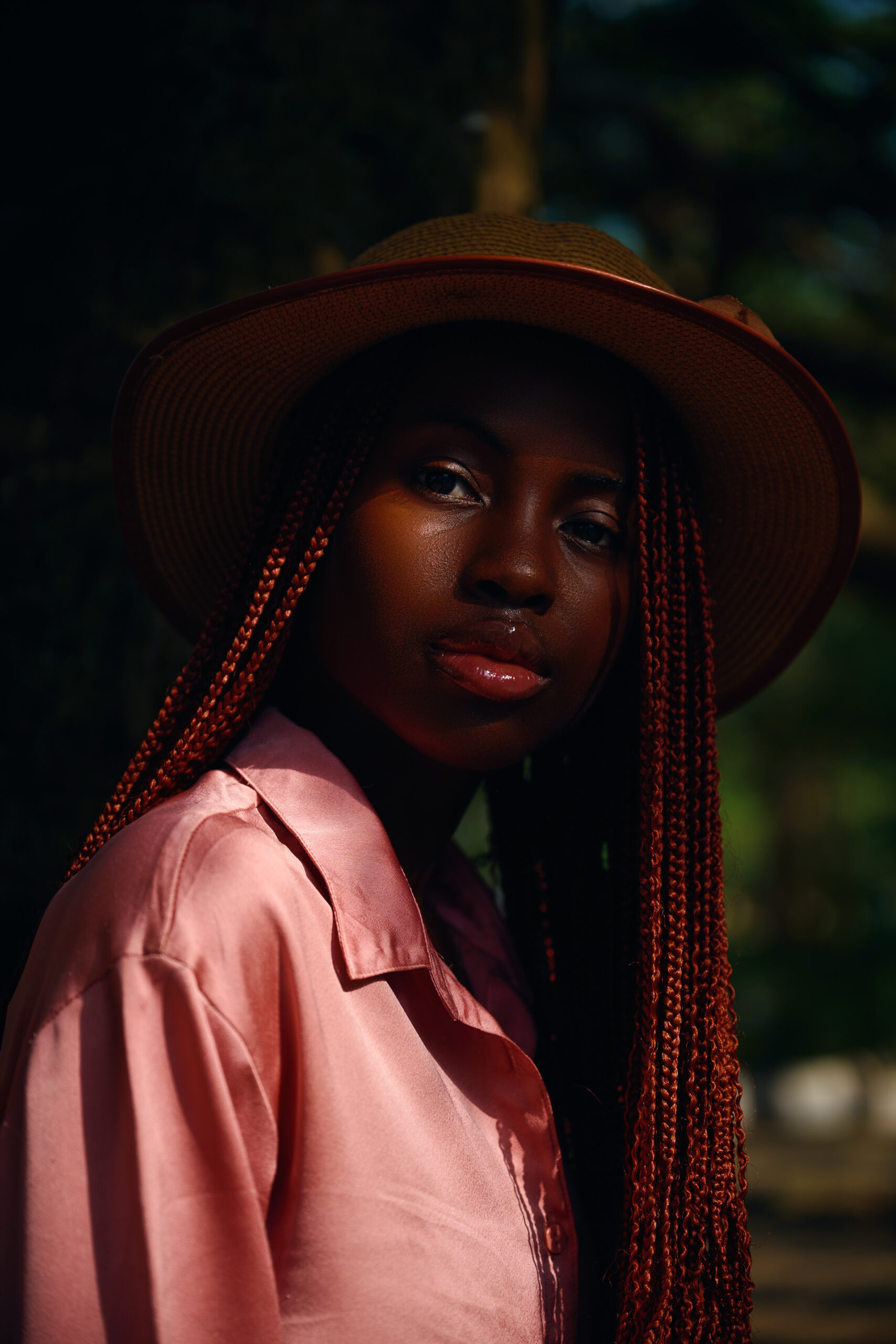
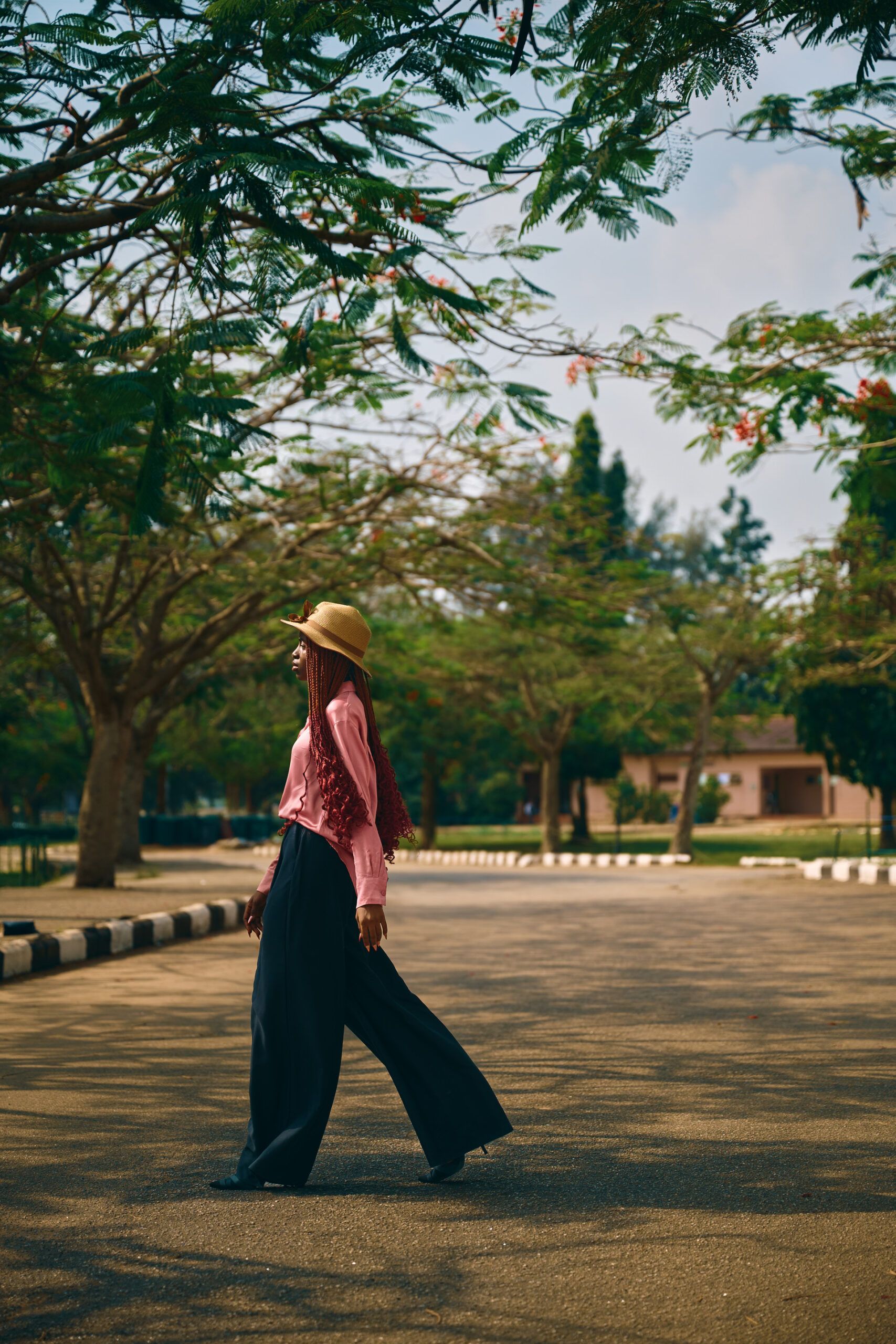
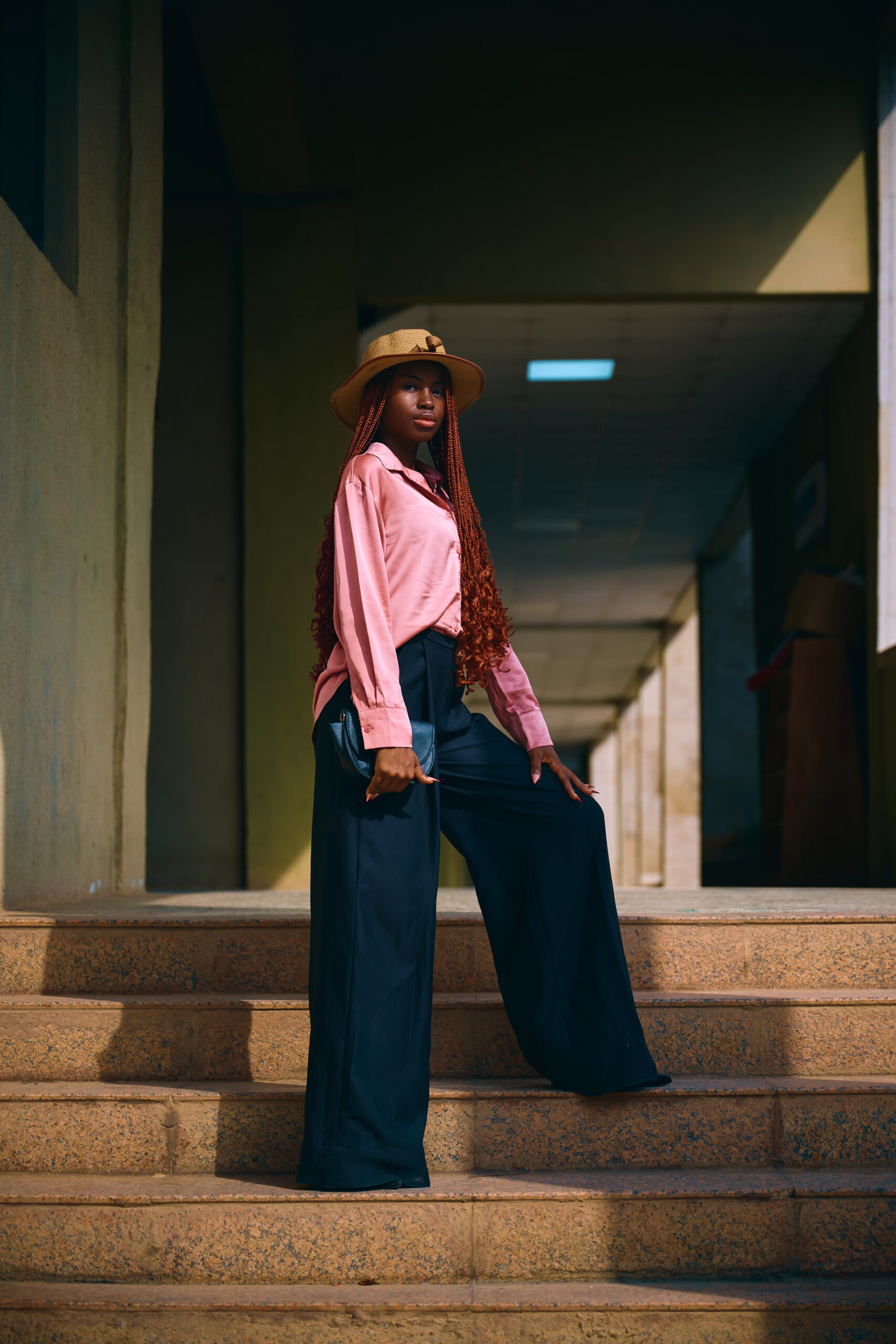
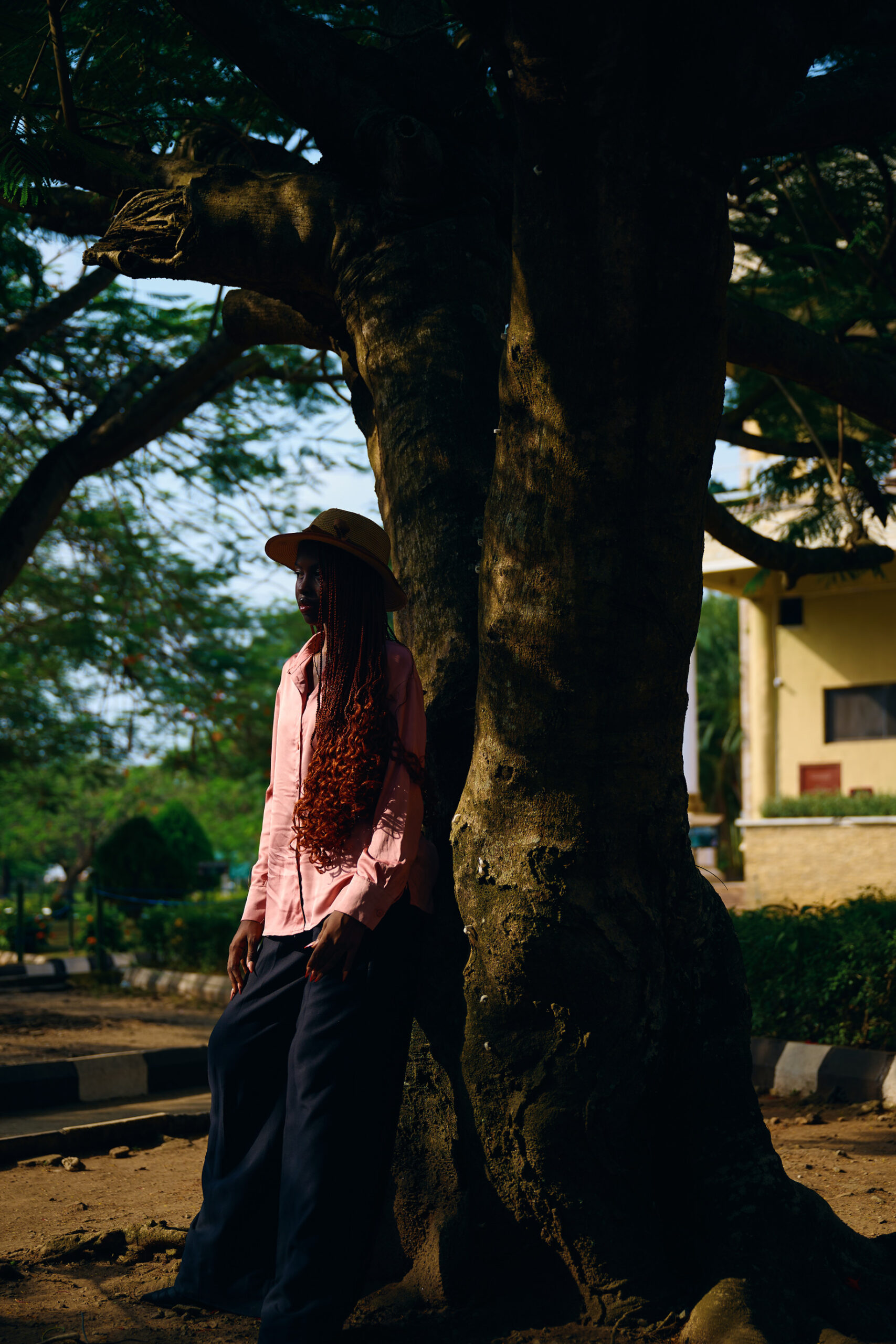
When time is available, there is freedom to work with light rather than against it. To wait for it, to adjust to it, or to shape or direct it carefully.
This affects mood in ways that are difficult to replicate quickly either in a softer tone, a more deliberate atmosphere, a warmer or cooler temperature or a sense of calm or depth that comes from not rushing the process. Photography, at its core, is deeply tied to time, and light is one of the clearest expressions of that.
Time Creates Space for Observation
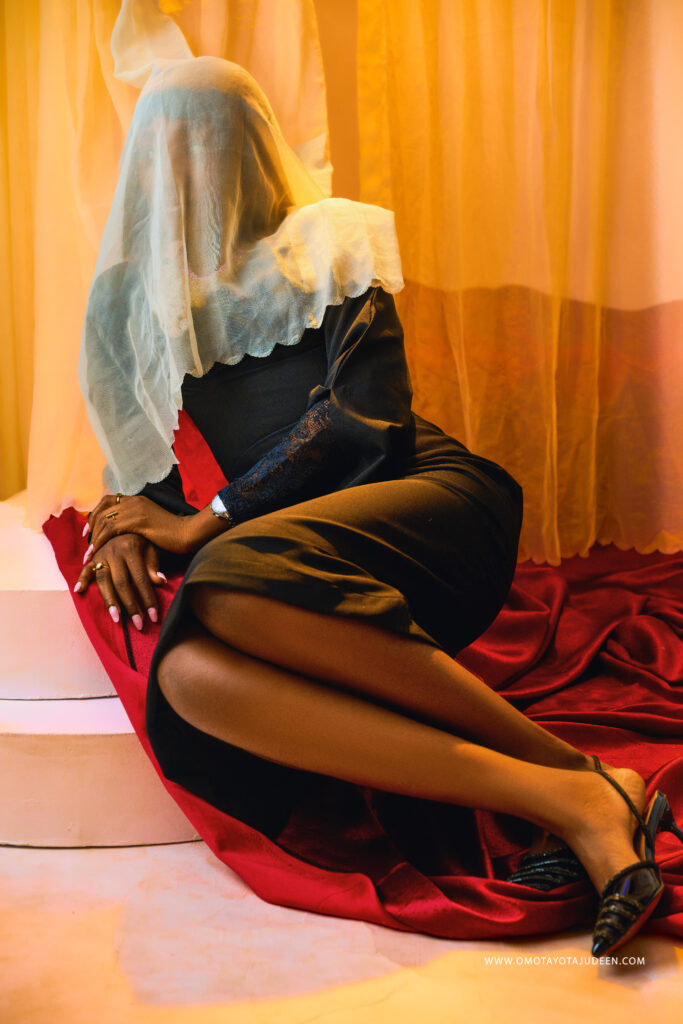
Some of the most meaningful moments are not immediate, they appear gradually. It could be in between instructions, when attention shifts away from the camera, or after the initial energy of the shoot settles. These moments cannot be forced, they require patience. When time is limited, photography tends to focus only on what is obvious and immediate. When time is available, there is room to notice what is quieter, more subtle, and often more hidden and meaningful – photography then focuses on the art of the story and not just the theory of it.
Time Improves Decision-Making
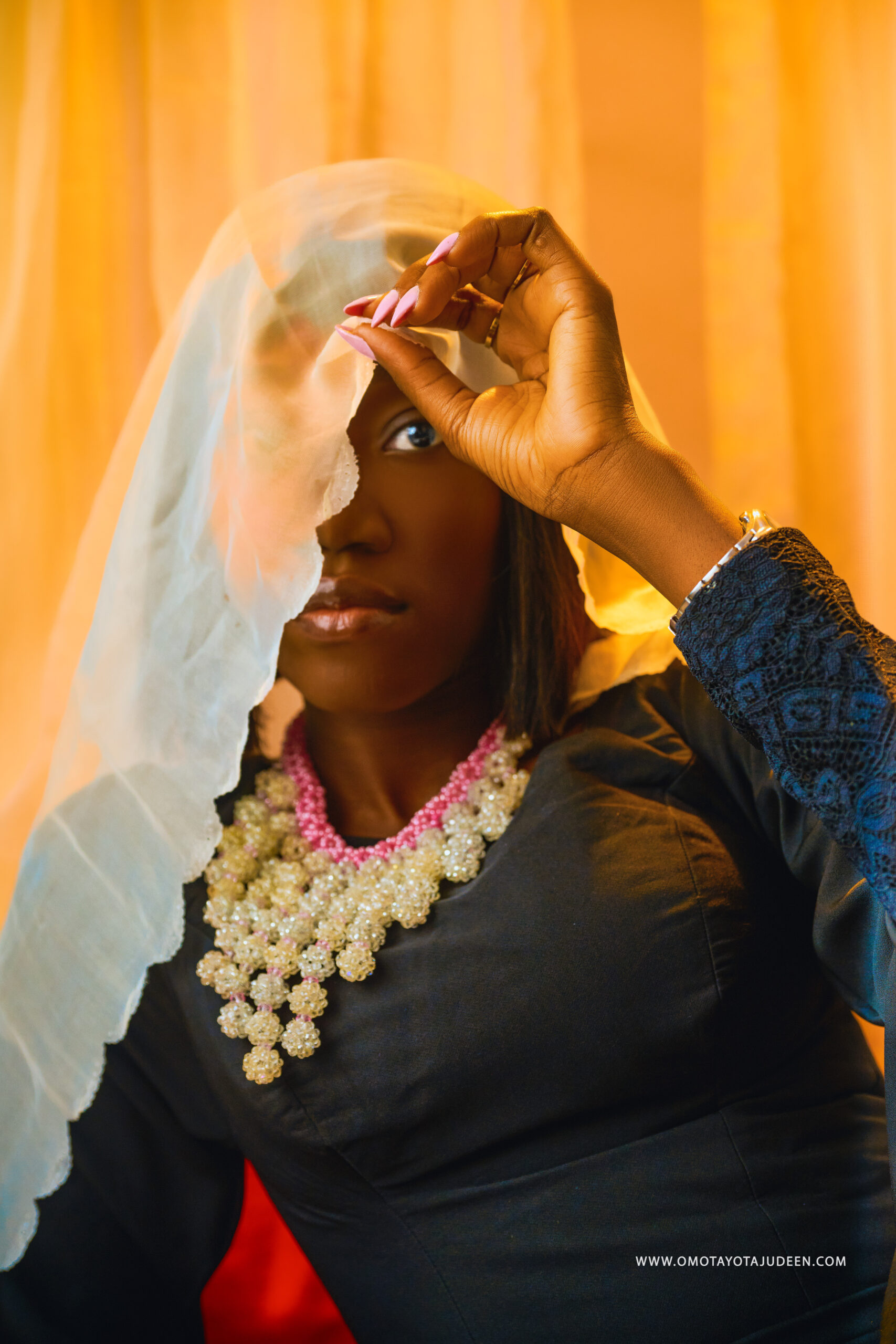
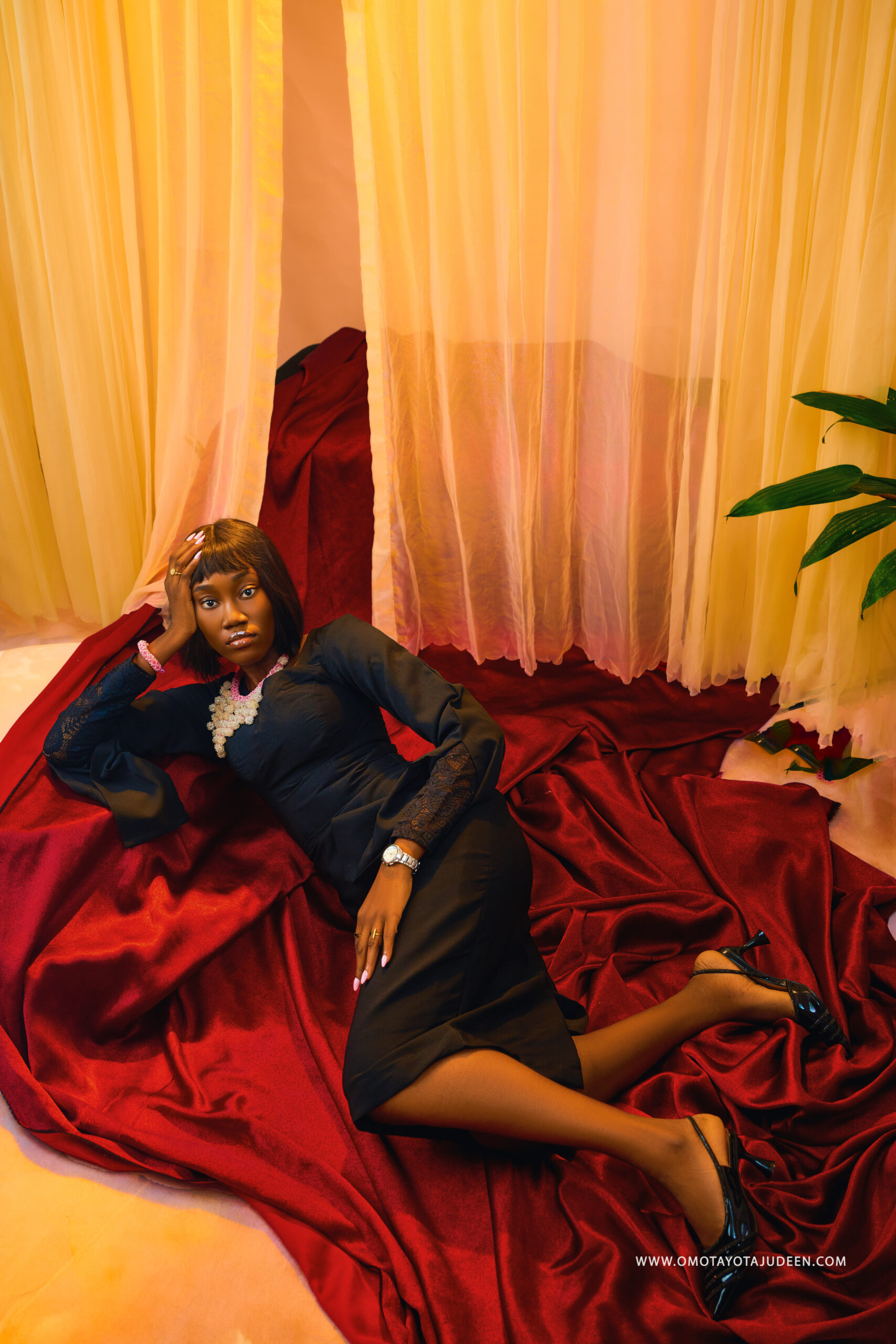
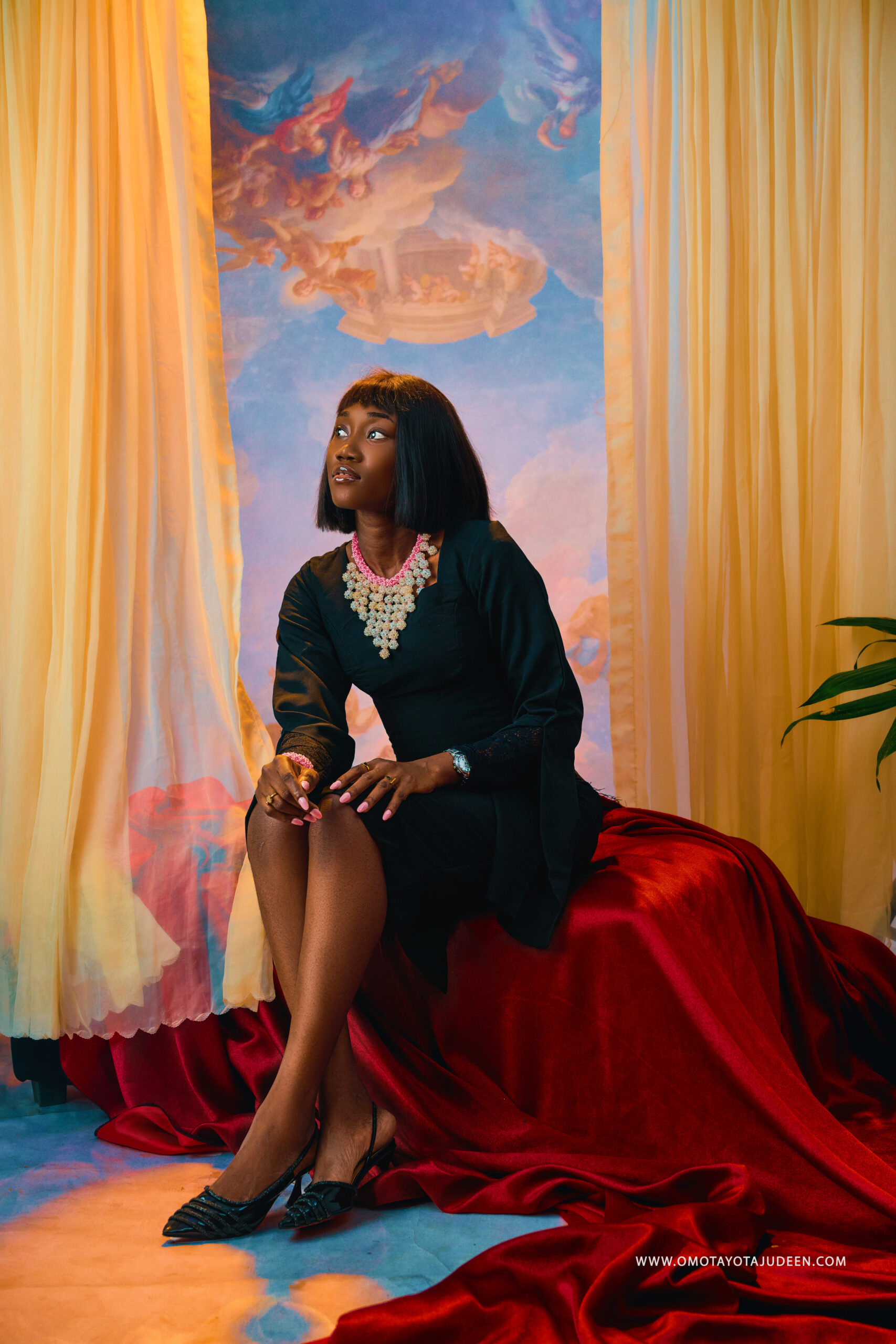
Time also affects what happens after the shoot. For instance, when images are reviewed and edited without pressure, there is more clarity in selection. More care in how photographs are grouped, refined, and presented. The final work feels cohesive, not hurried and decisions become deliberate rather than reactive.
The Difference It Leaves Behind
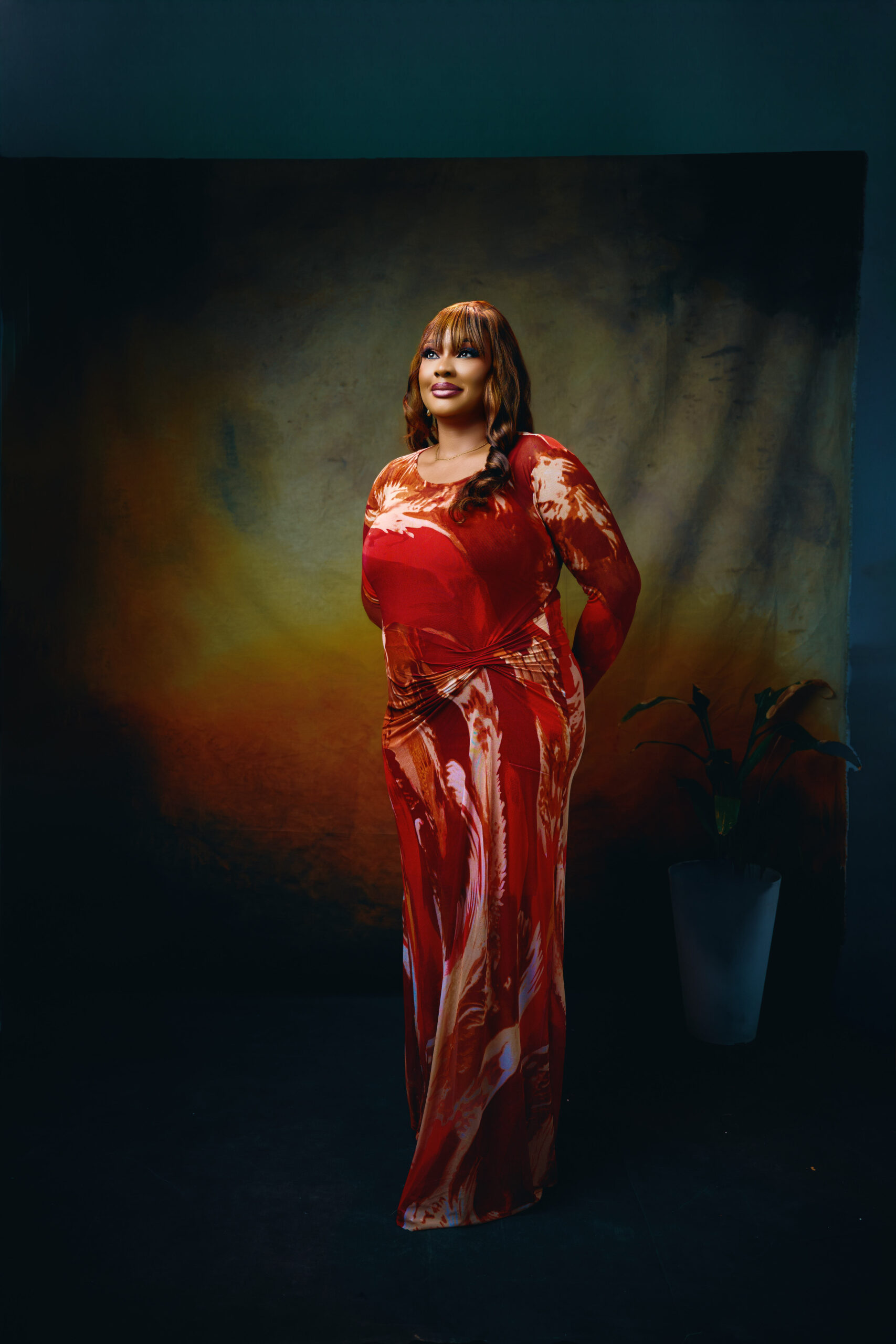
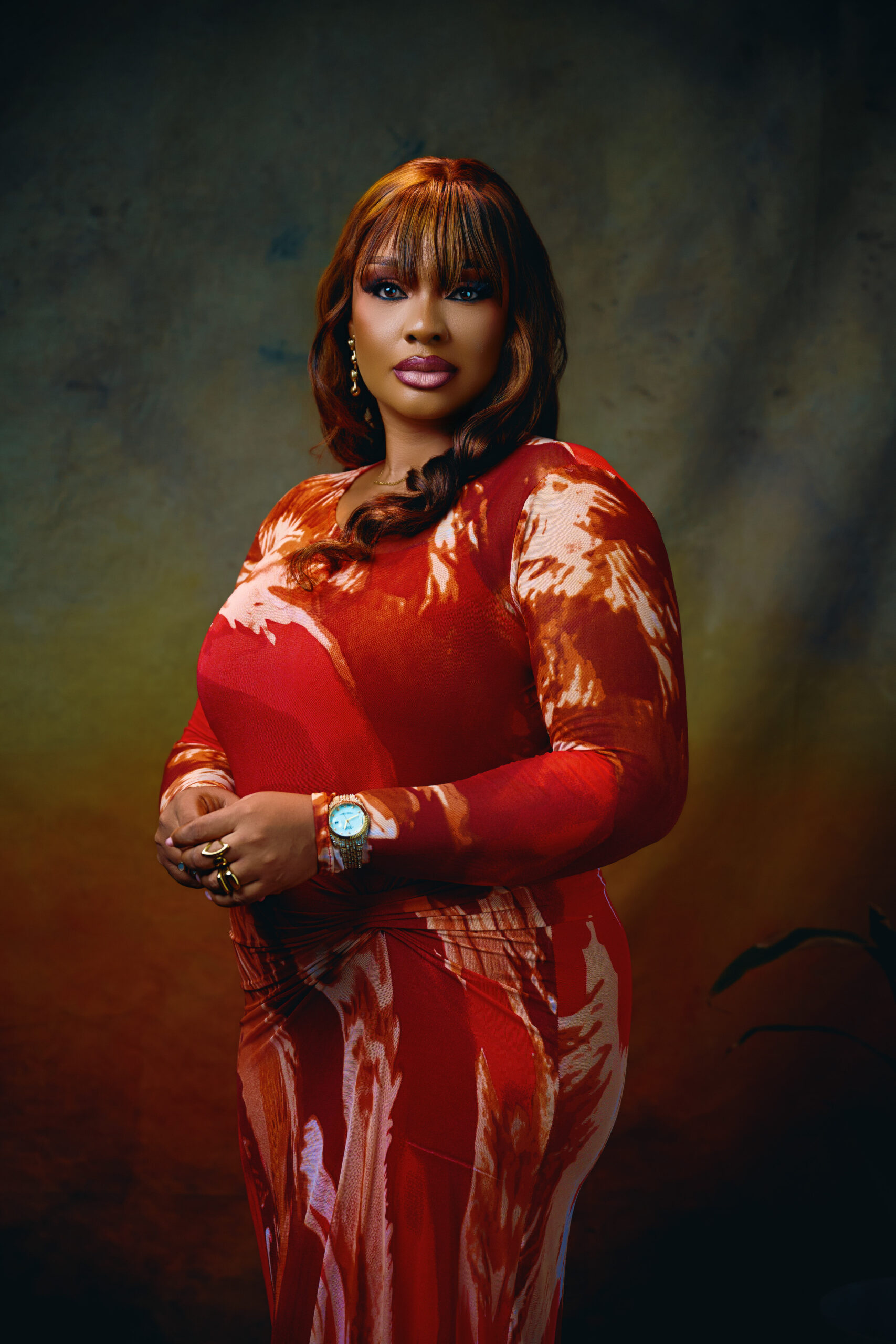
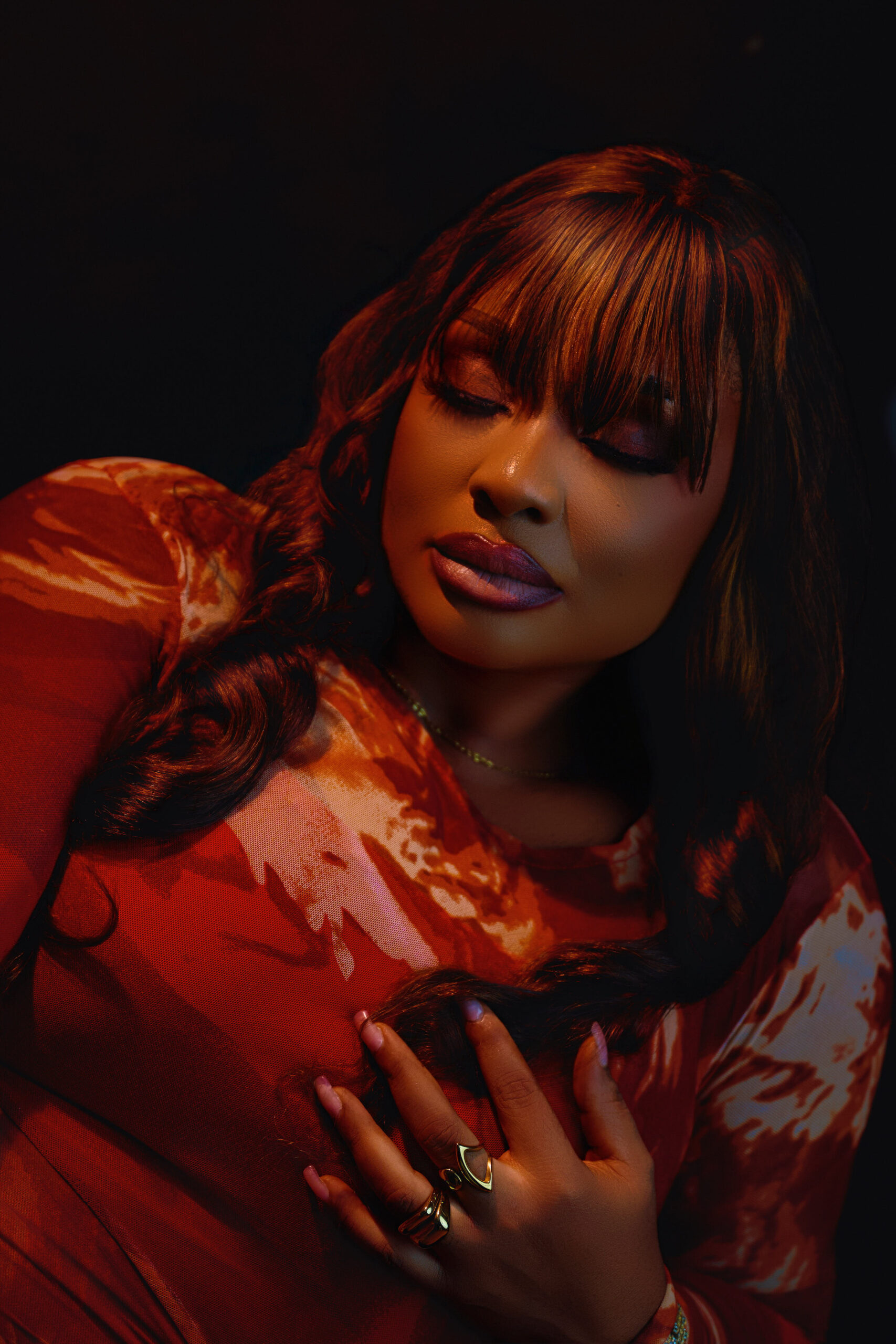
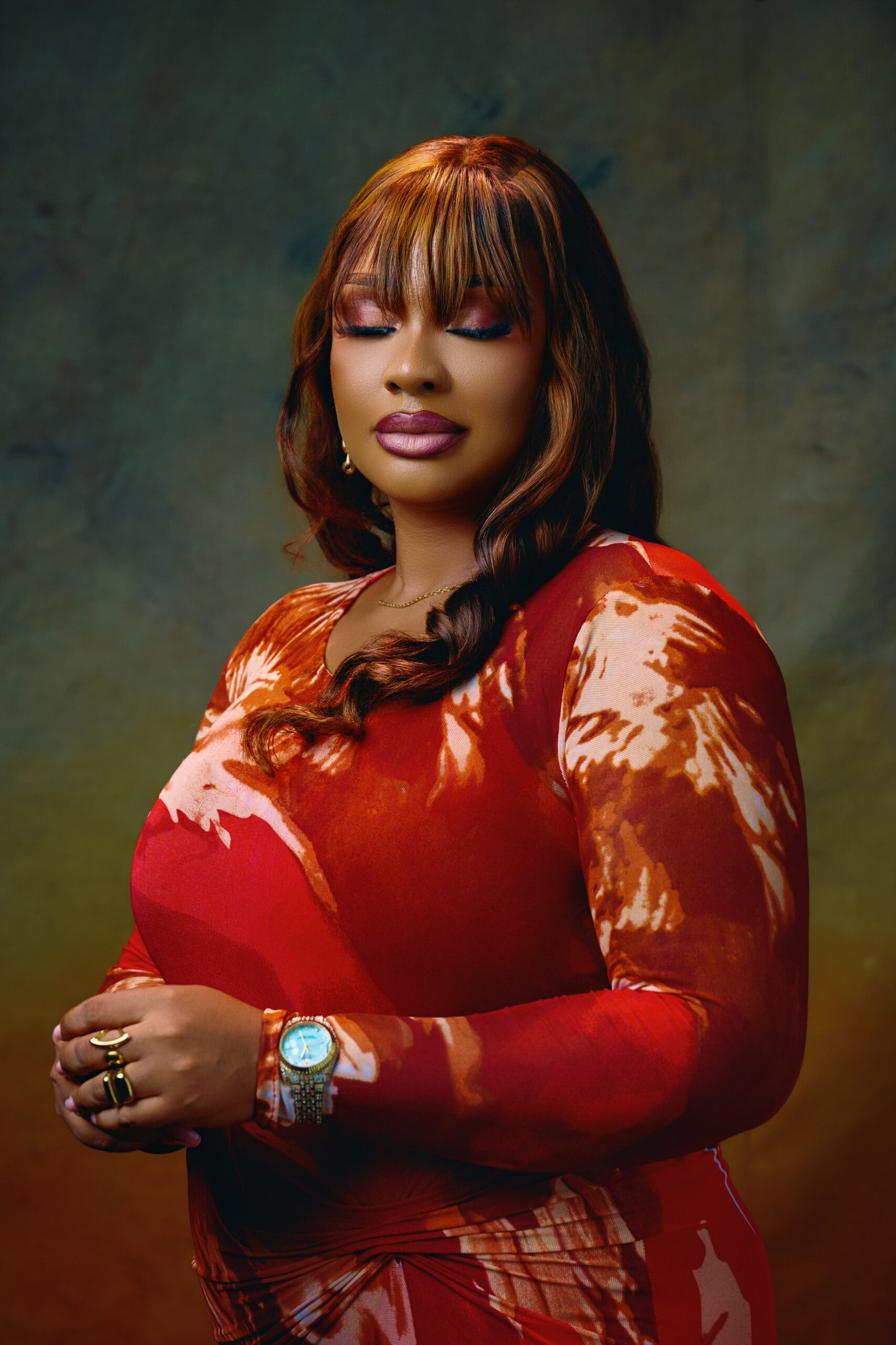
At first glance, a rushed shoot and a well-paced one might both produce “good” images, but over time, the difference becomes more apparent.
Images made with time tend to:
- feel more natural
- hold attention longer
- remain relevant beyond the moment they were created and they carry a sense of thoughtfulness that doesn’t fade quickly
Time doesn’t just affect how photographs are made, it affects how they are experienced. When there is time, photography becomes less about capturing something quickly, and more about understanding it fully, and that understanding is what gives images their lasting value.