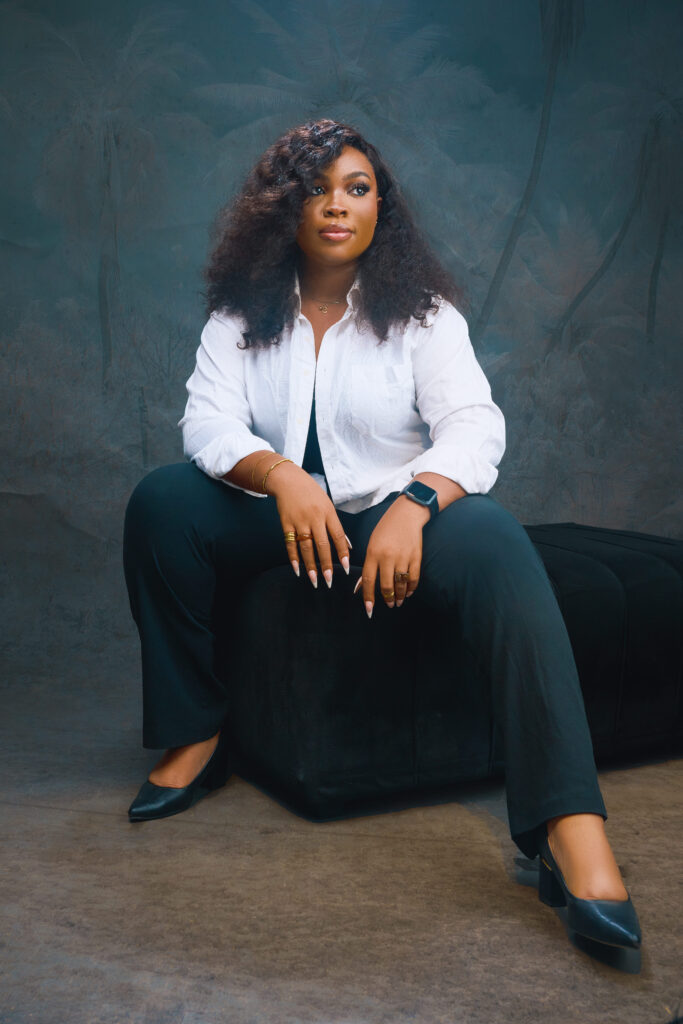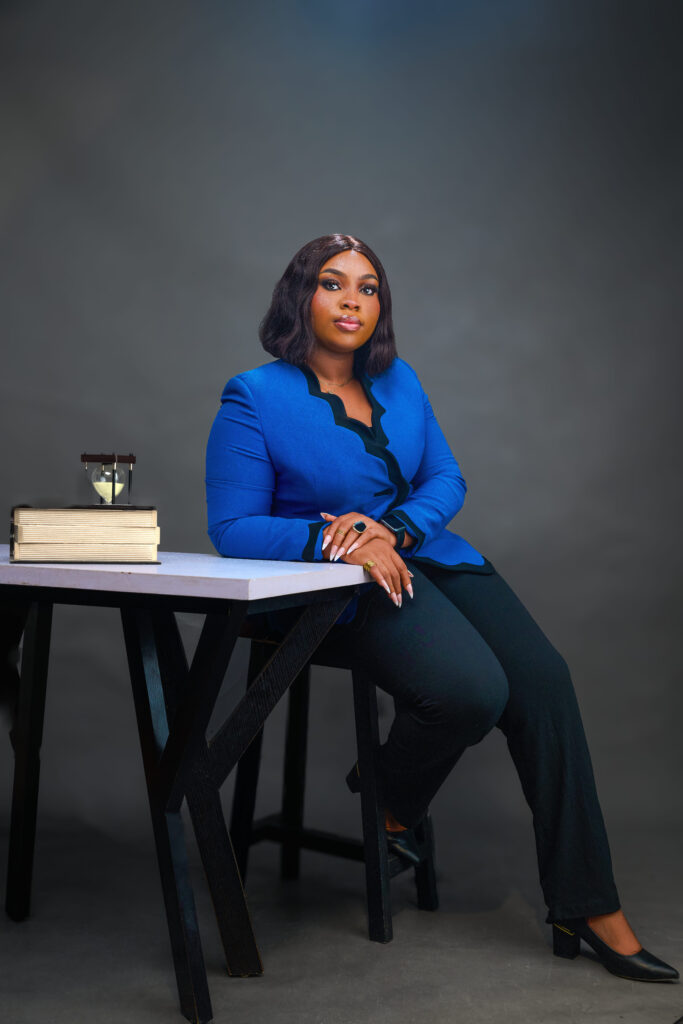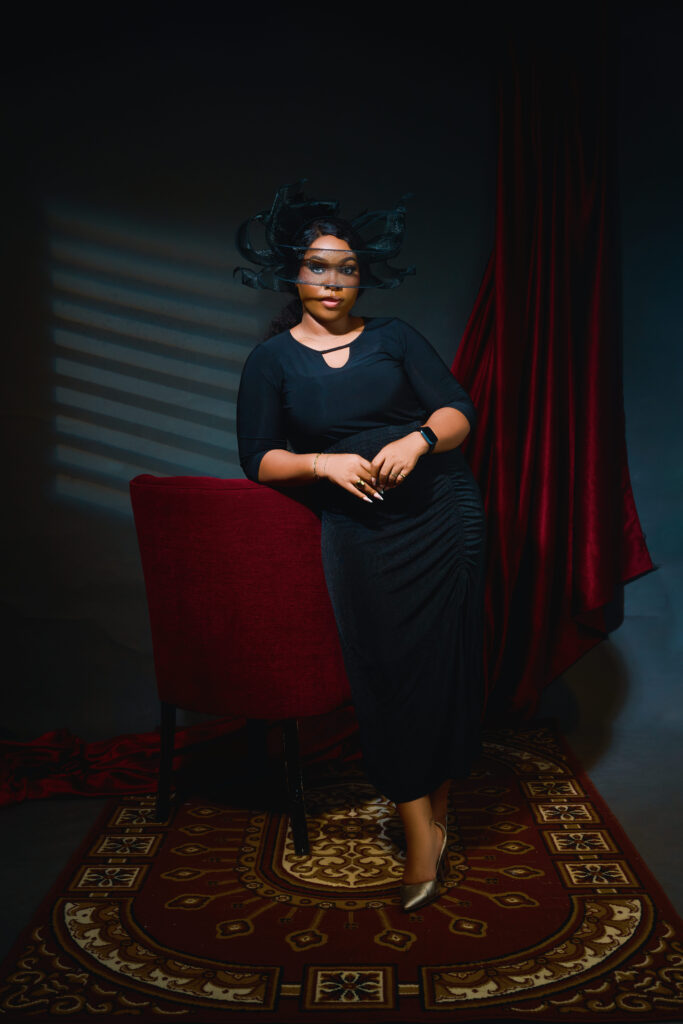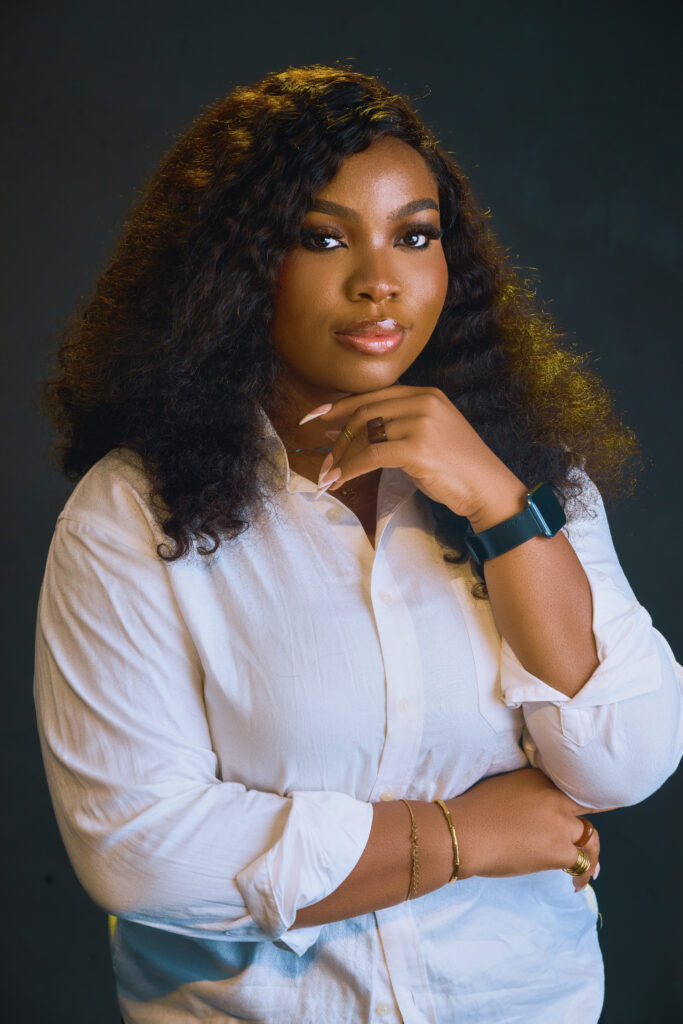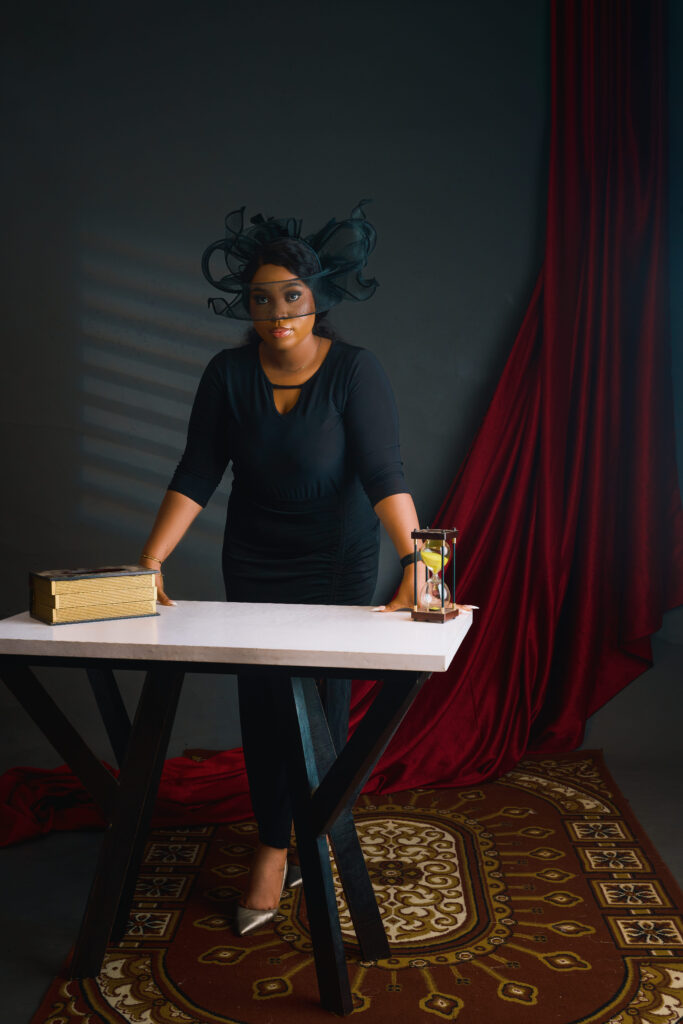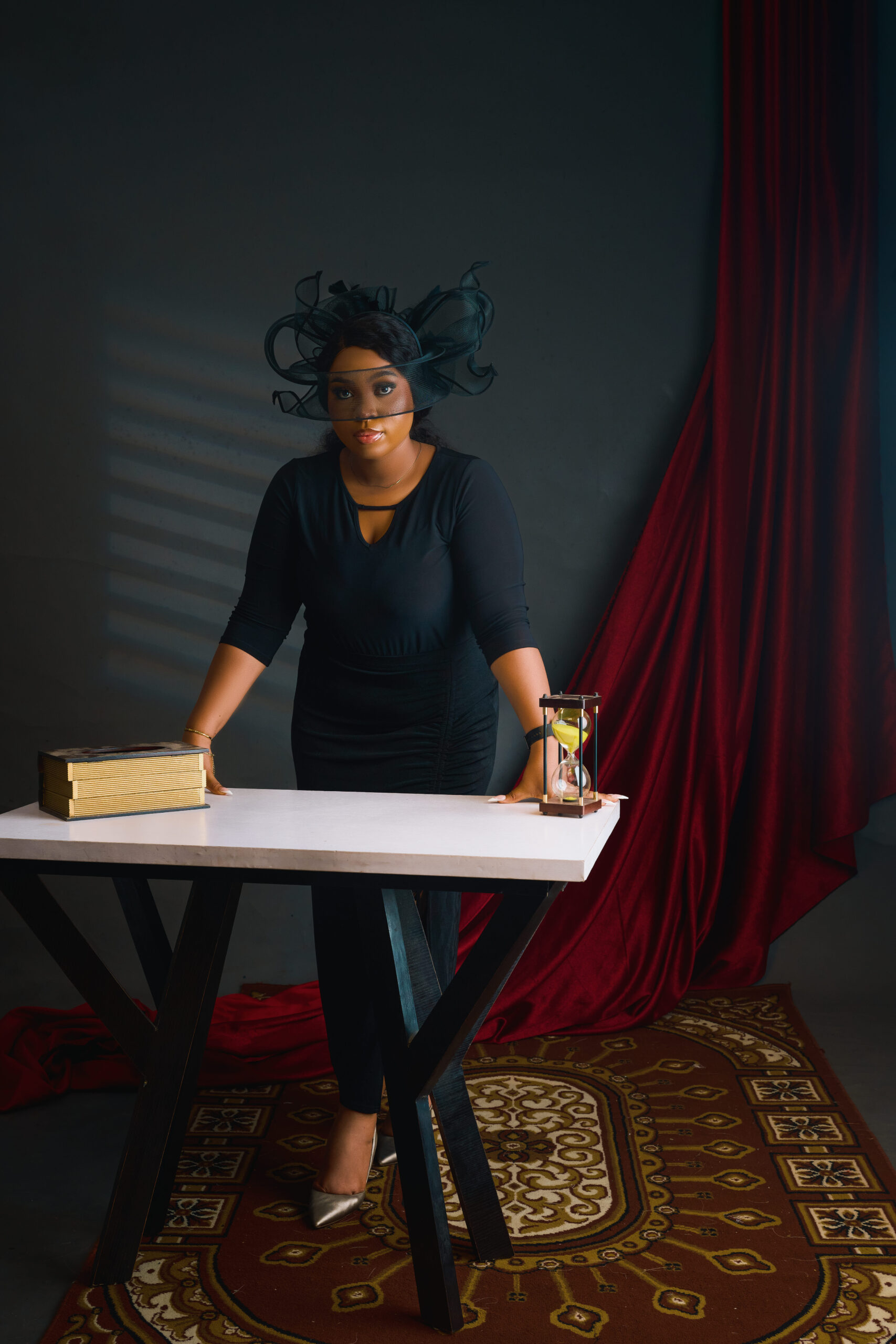
Photography is often seen as something immediate. A moment happens, a camera is raised and chakam! an image is made. While that may seem true on the surface, the photographs that stay with us, the ones that feel considered, clear, and lasting are rarely the result of speed alone; they are the results of intentional thought and planning. When you give a photographer time to think, the work begins to change in quiet but important ways.
The Work Becomes Intentional
Without time, photography tends to follow what is obvious like the expected angles, the obvious and familiar compositions or the safe choices that guarantee a result. But when there is time to think, those defaults are questioned.
Is this the only way to approach this subject?
Is there a more honest or compelling angle?
What are we trying to communicate beyond appearance?
These questions don’t slow the process unnecessarily, they refine it and the result is work that feels intentional rather than automatic.
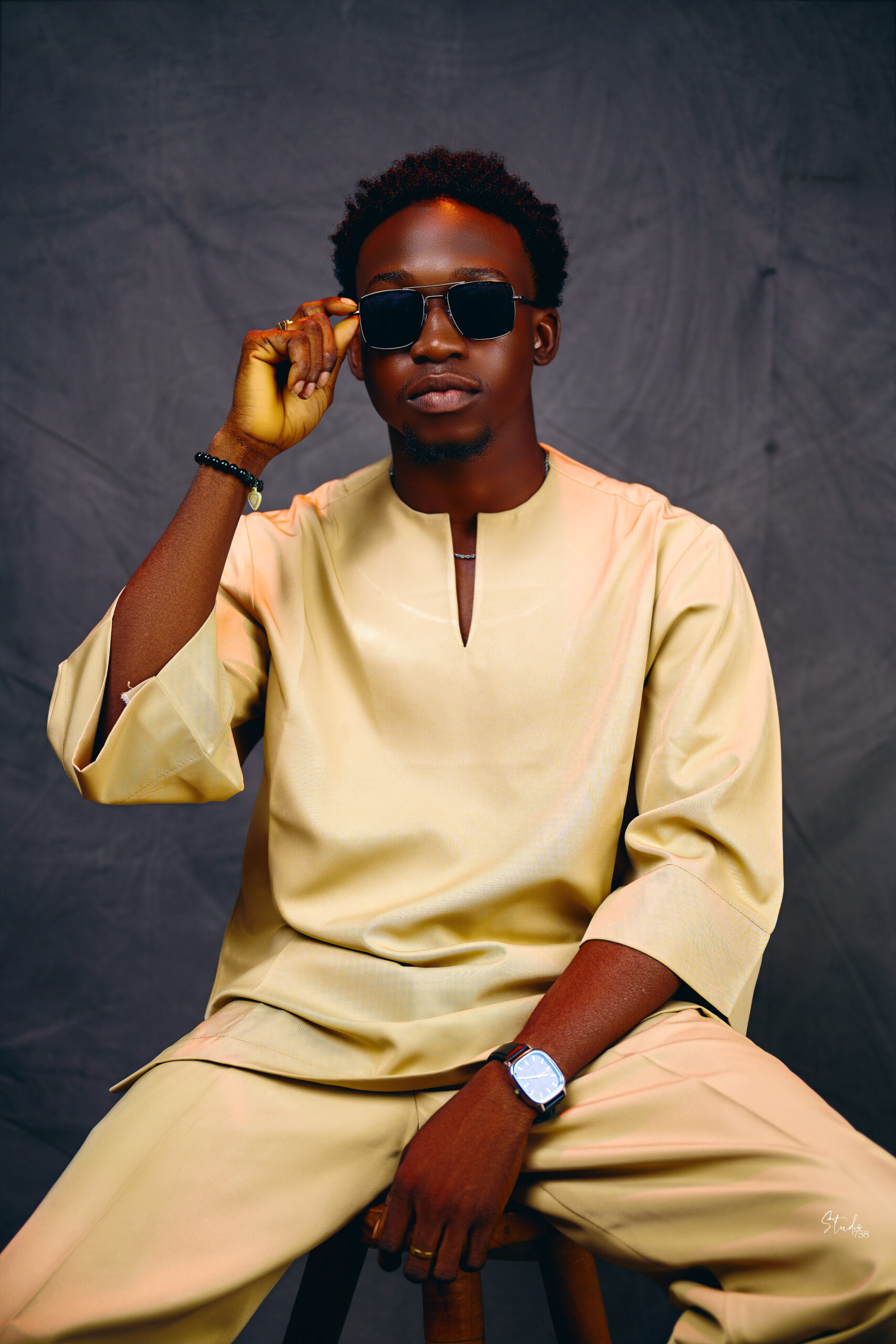
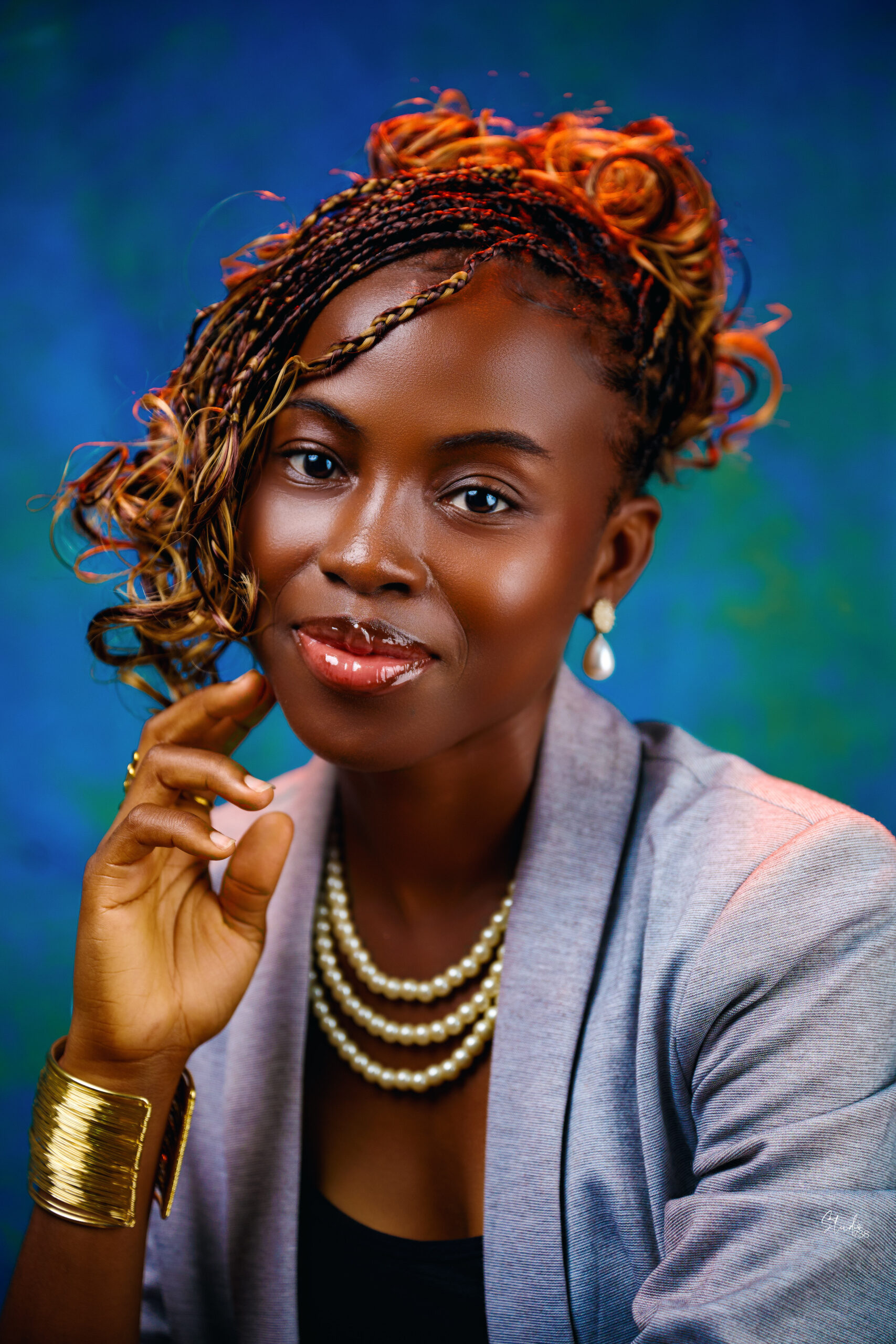
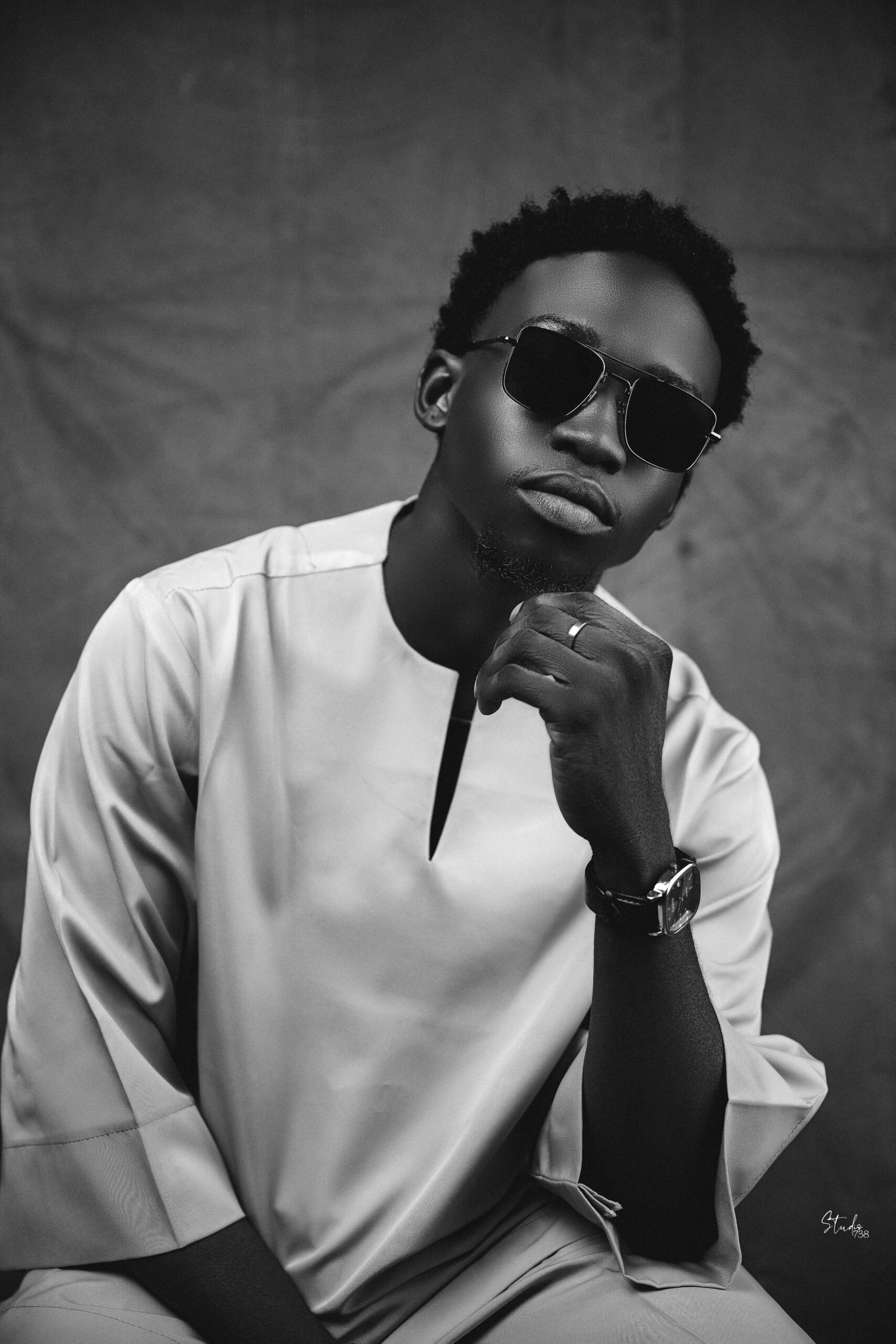
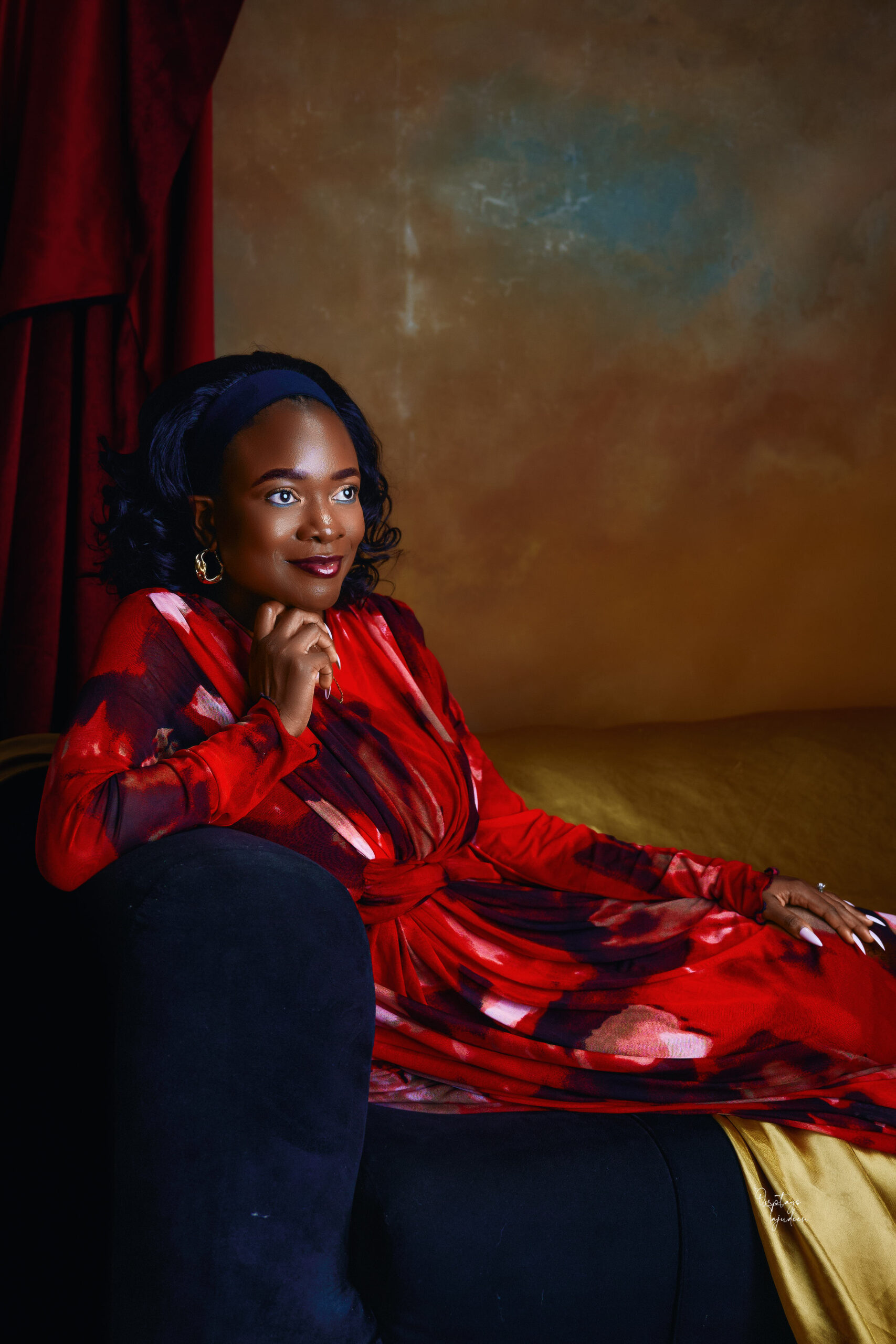
The Story Becomes Clearer
Every shoot carries a story, even when it isn’t immediately visible. But stories take time to understand. When a photographer has space to think, they begin to see patterns:
- What colours are working together here?
- What can I add or remove?
- How many different elements are at play here?
This clarity shapes not just individual images, but the entire body of work so instead of a collection of photographs, you get something more cohesive; something that speaks with direction.
Creative Decisions Become Stronger
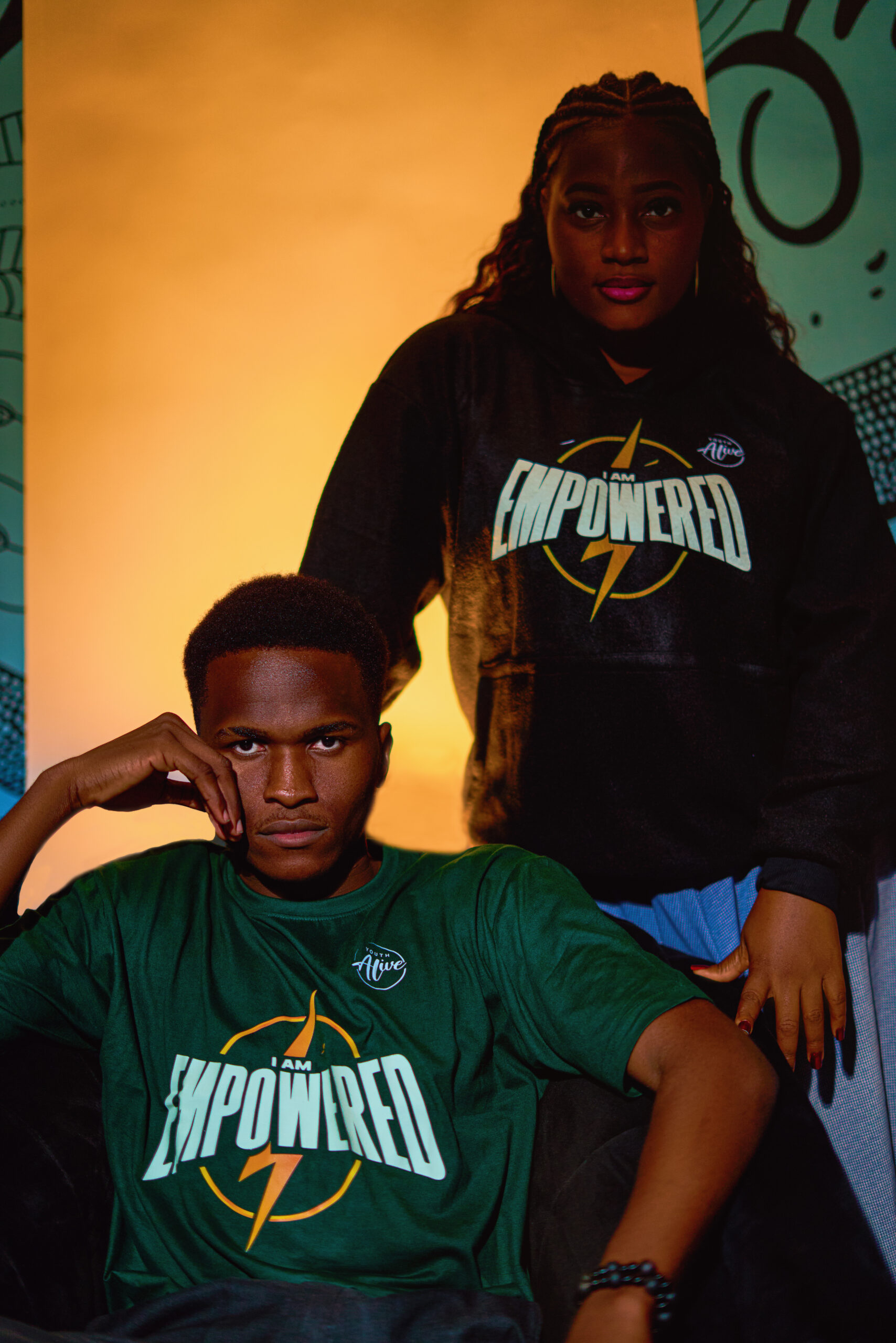
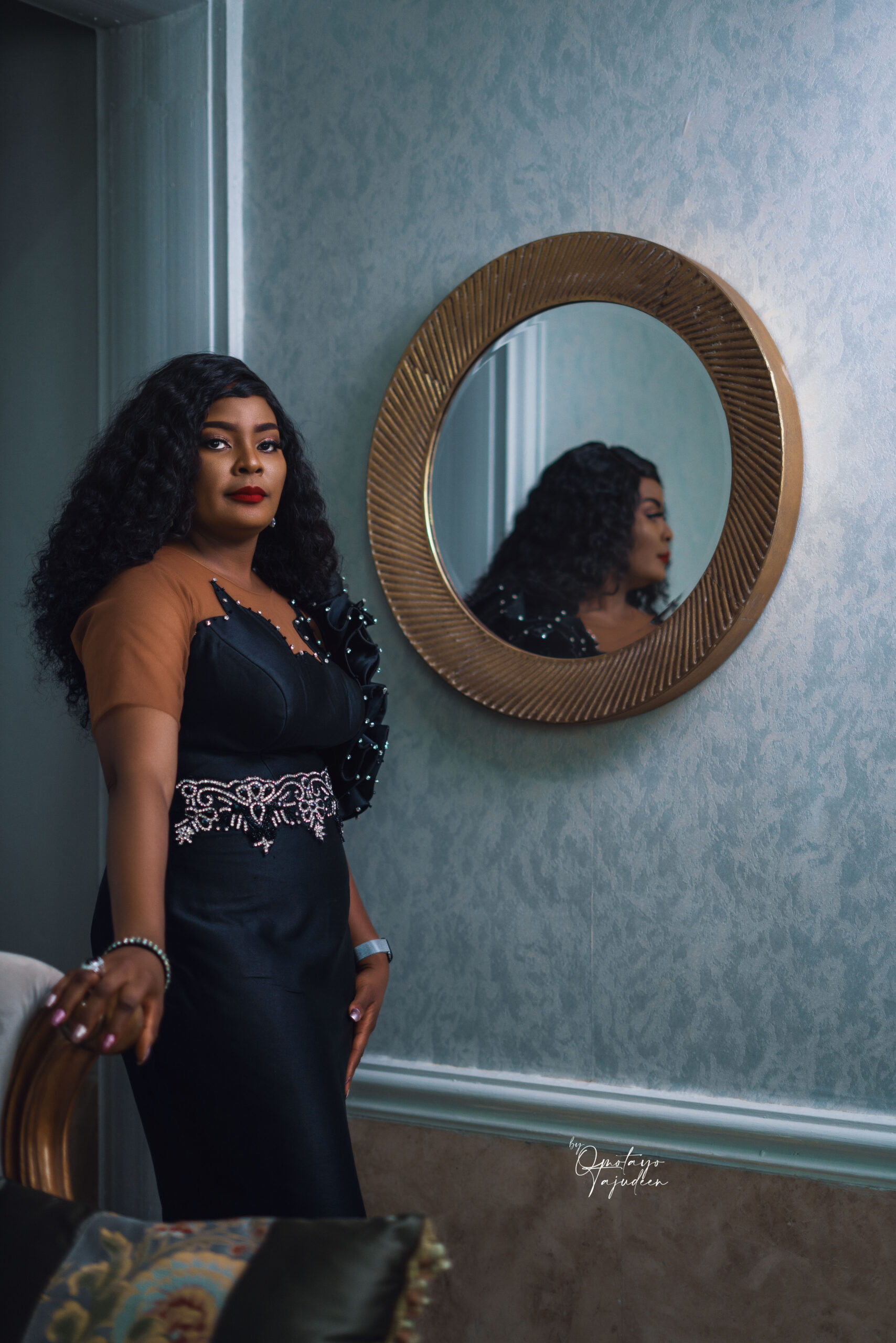
Good photography is often a series of small decisions like where to stand, when to shoot, what to include, what to leave out etc. When those decisions are made in a rush, they rely heavily on instinct alone. Instinct is valuable, but when paired with time to think, it becomes sharper. Light is used more deliberately, composition becomes more precise and moments are anticipated rather than chased. Even though the difference is subtle, it accumulates, and overtime it becomes glaring.
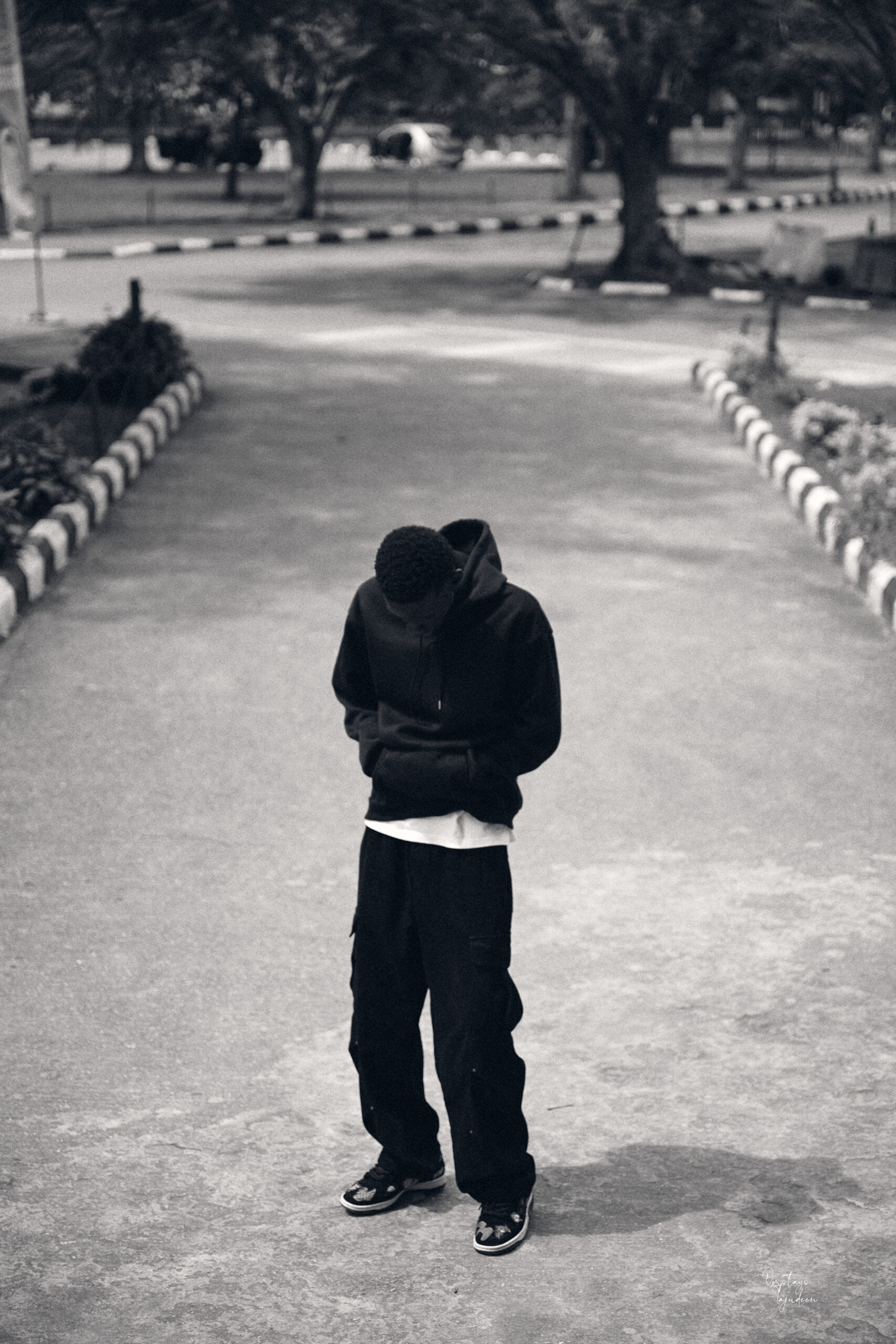
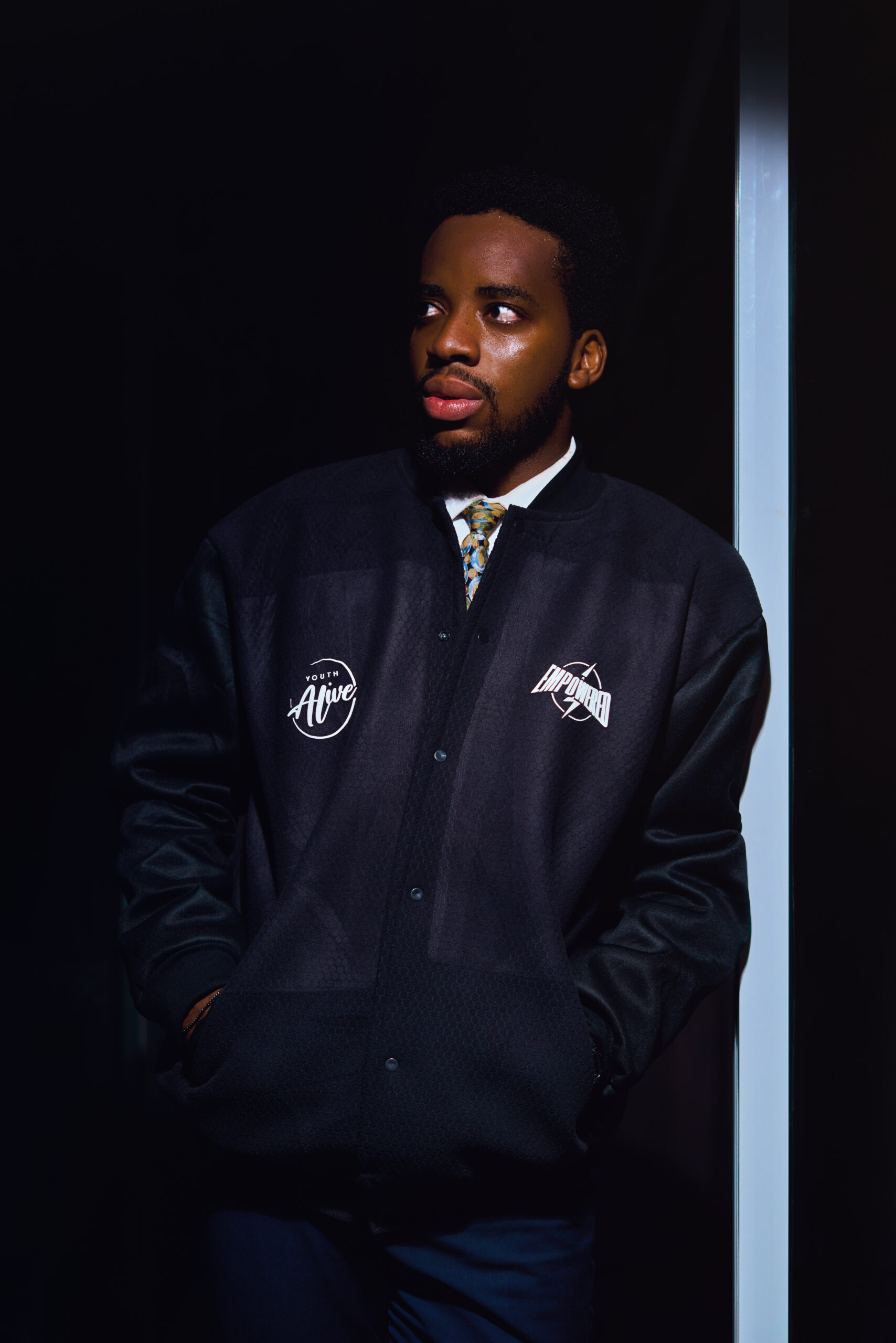
There Is Room for Restraint
Not everything needs to be photographed and not every moment needs to be captured from every angle. When there is time to think, there is also the confidence to do less, but do it better. To wait, observe and to choose carefully. This restraint is often what separates work that feels thoughtful from work that feels excessive.
The Final Work Feels Considered
Thinking doesn’t stop when the shoot ends. It continues in selection, editing, and delivery. Images are reviewed with more clarity, sequences are built more intentionally and the final set of photographs feels connected, not scattered. There is a sense that the work has been shaped and crafted — not just produced.
What You Receive Is Different
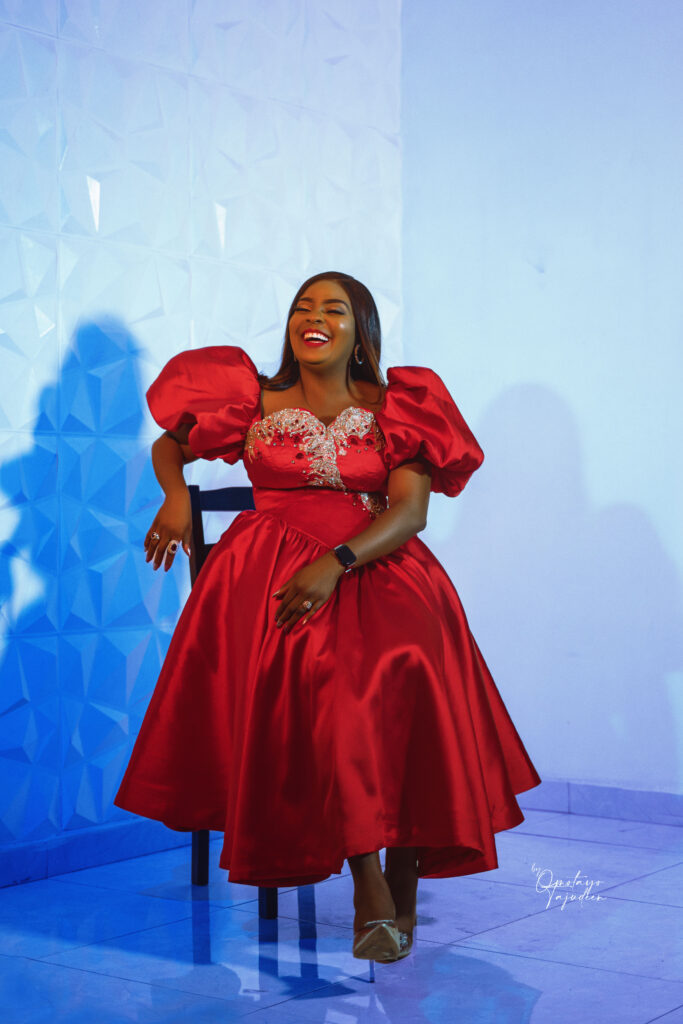
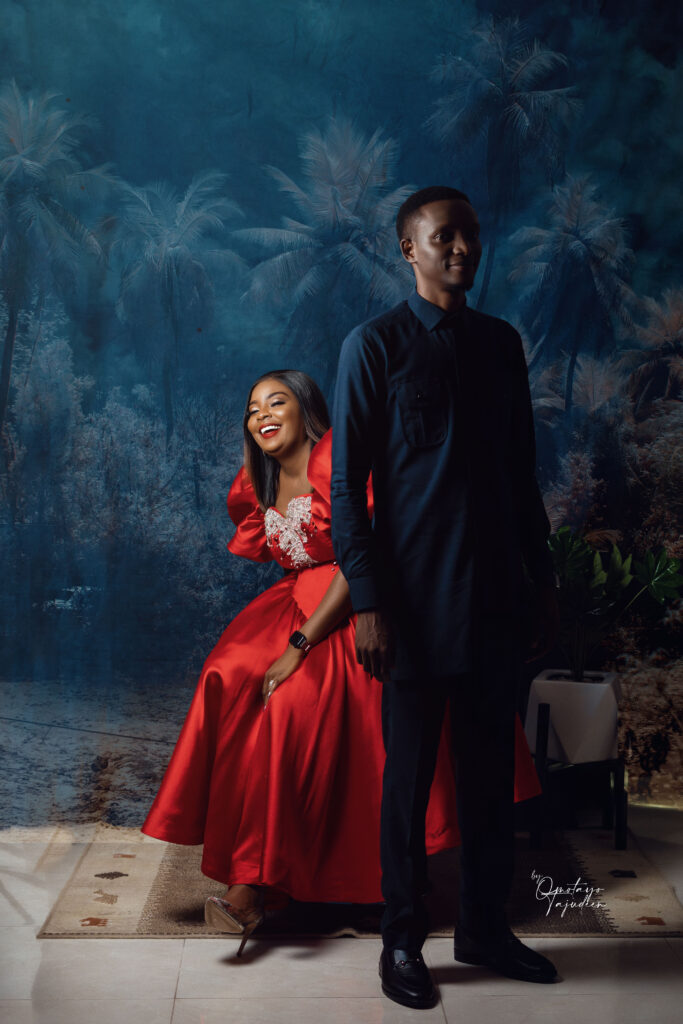
When a photographer is given time to think, the difference may not always be immediately dramatic; but it is felt. The images feel calmer, more precise and more aligned with what they are meant to communicate. They hold attention longer and over time, they remain relevant because they were never rushed into existence.
Photography is often described as capturing a moment, but meaningful photography goes beyond capture. It involves reflection, thoughtful consideration and a willingness to pause before pressing the shutter. When you give a photographer time to think, you are not slowing the process down, you are allowing the work to reach its full depth and that depth is what makes the images last.