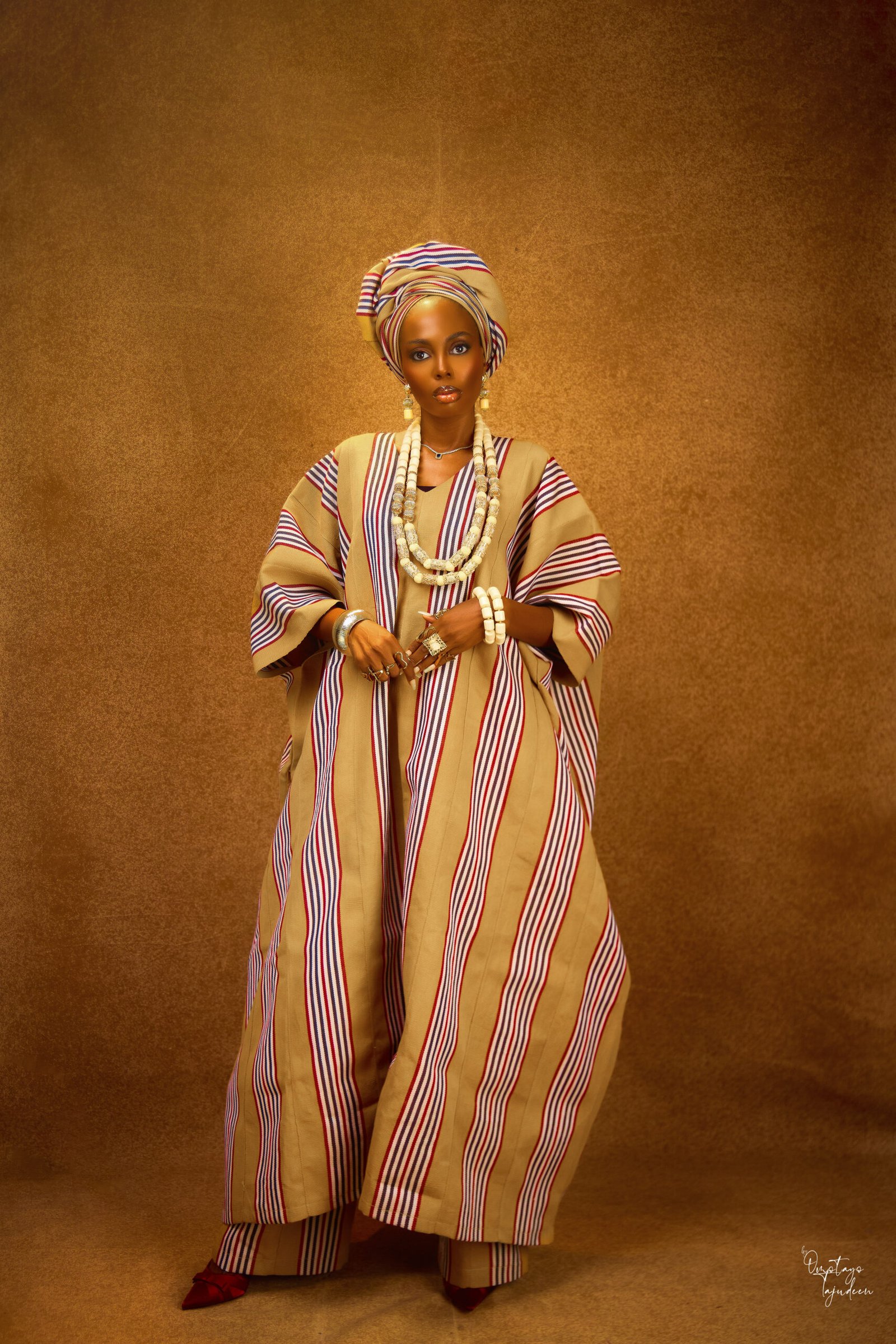
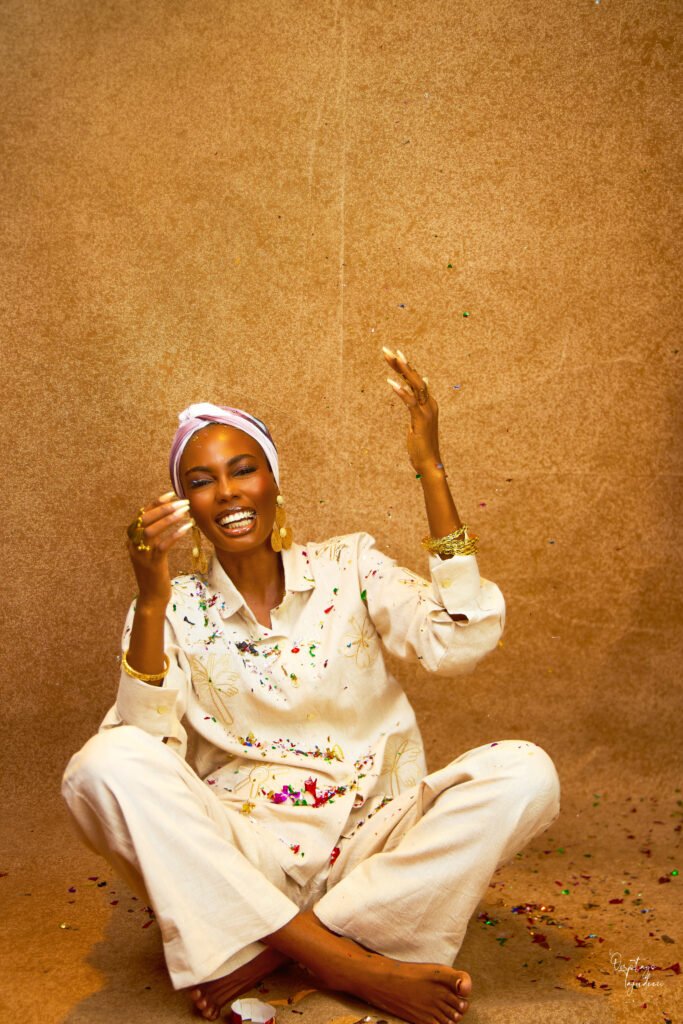
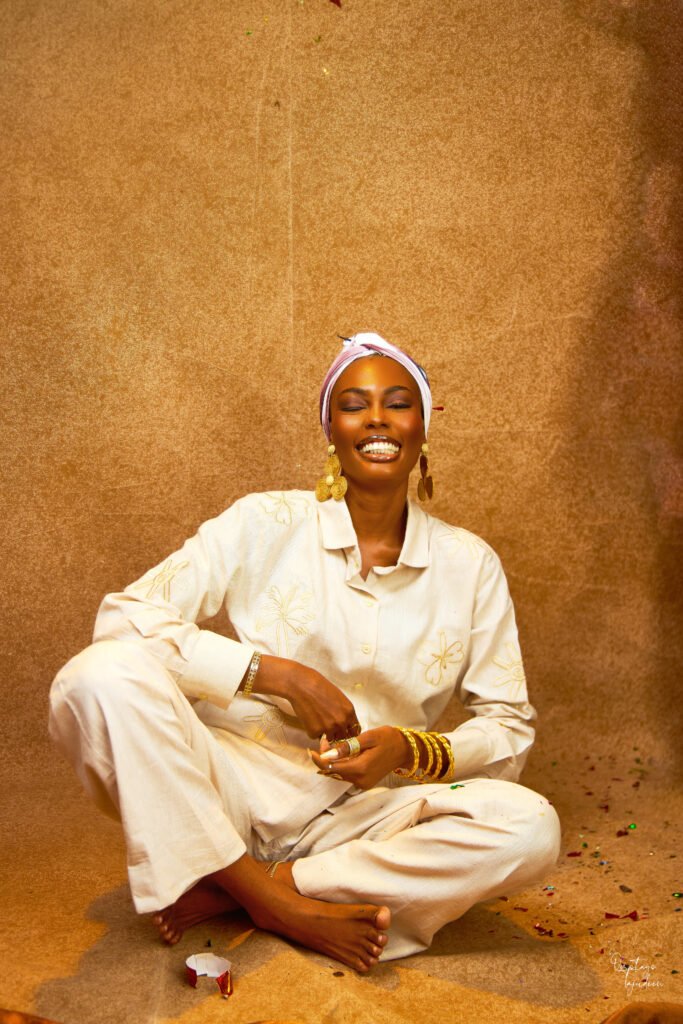
In the second half of last year, in August precisely, Sukurat reached out for us to photograph her 30th. birthday photos. This wasn’t my first time photographing her as i’ve been doing that from our days in school, and I also photographed her 25th and 28th birthday photos. But her reaching out again this time for her 30th meant so much to me as she wasn’t just a returning client but a strong brand advocate. When she reached out and shared her brief, it was mixed feelings; there was the excitement of having the privilege of photographing a milestone year and the pressure of being able to surpass the previous reputation or even meet up with the new level of expectation.
The images from her 25th and 28th were really amazing art pieces and without any doubt, timeless to say the least!
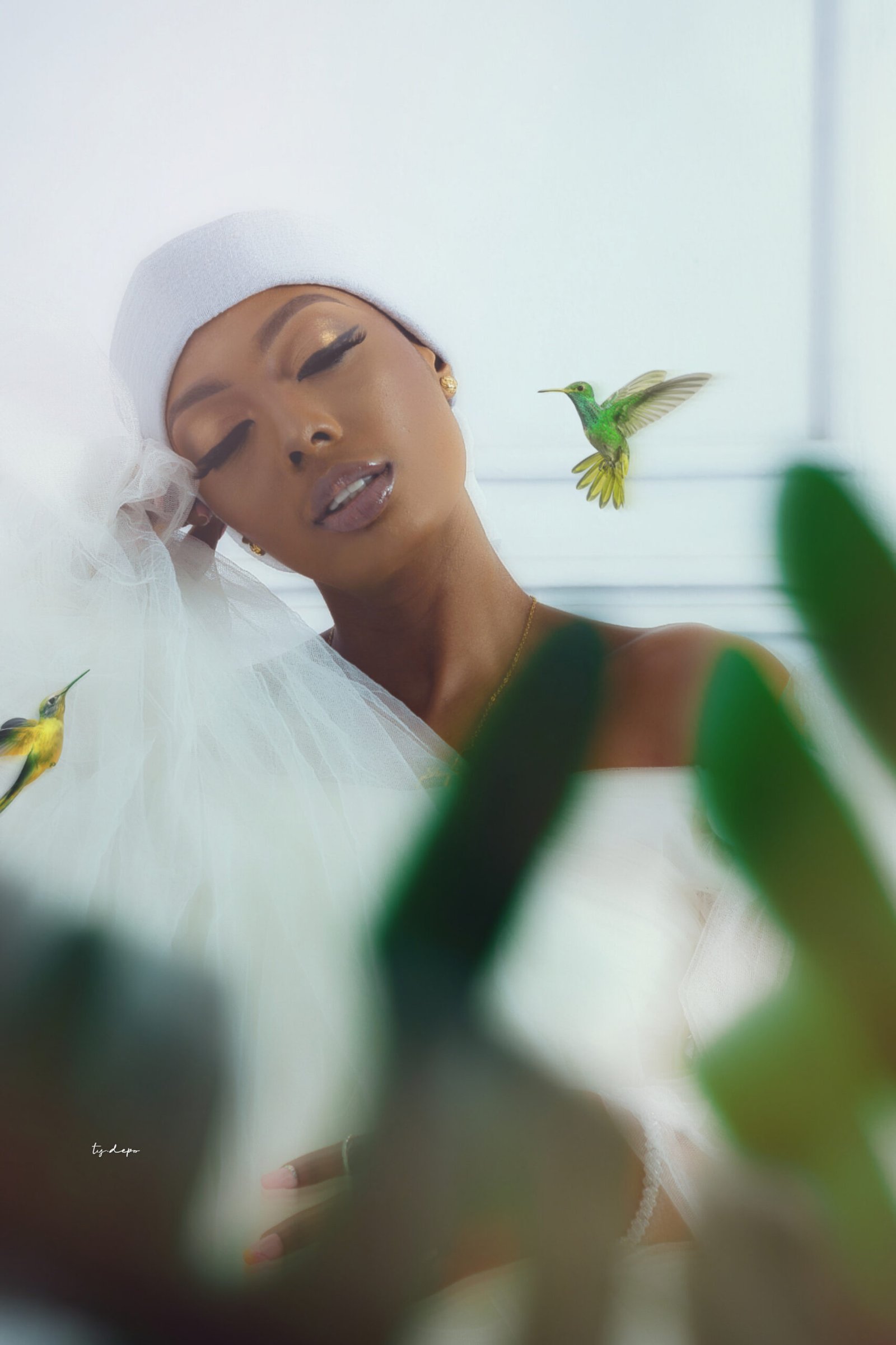
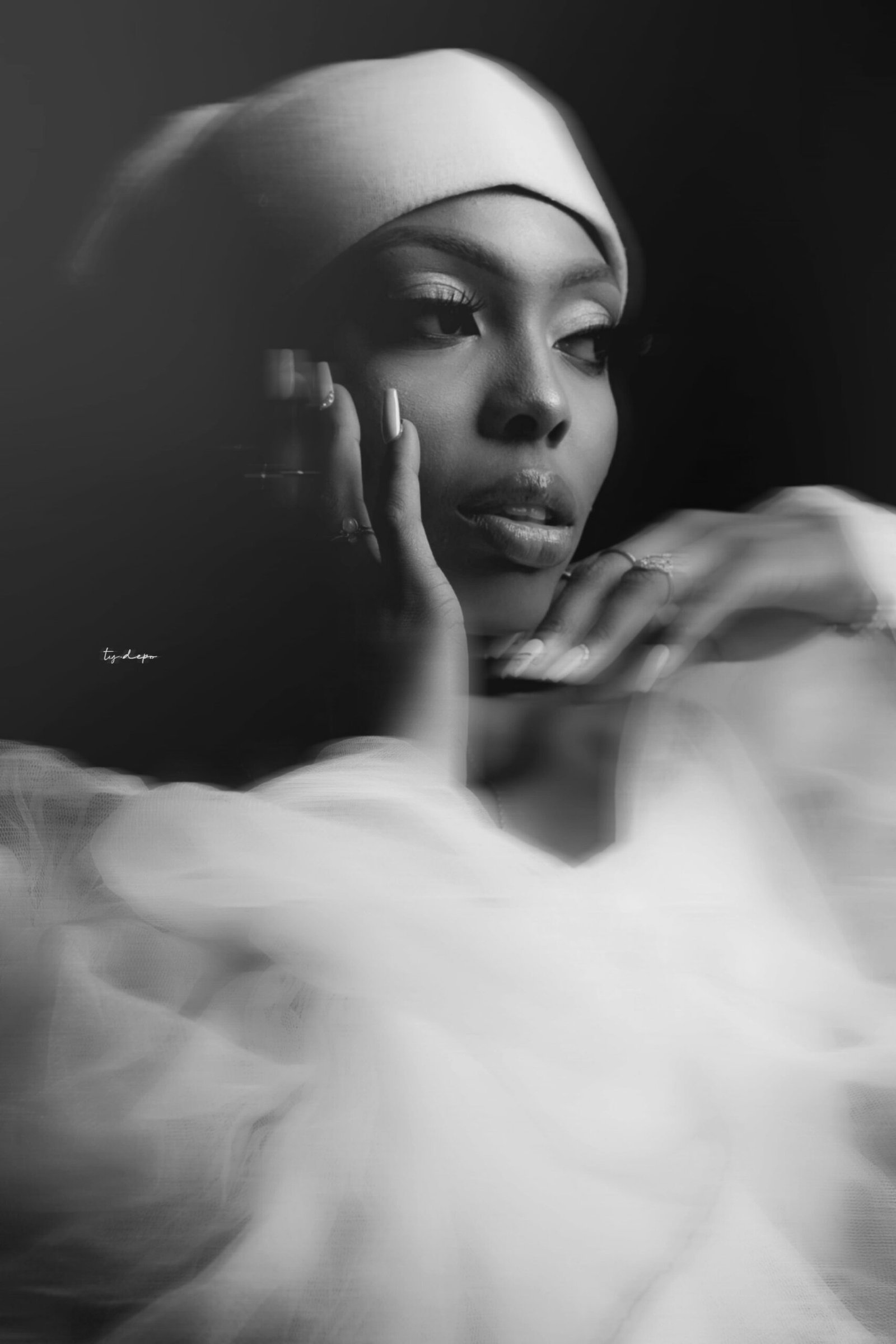
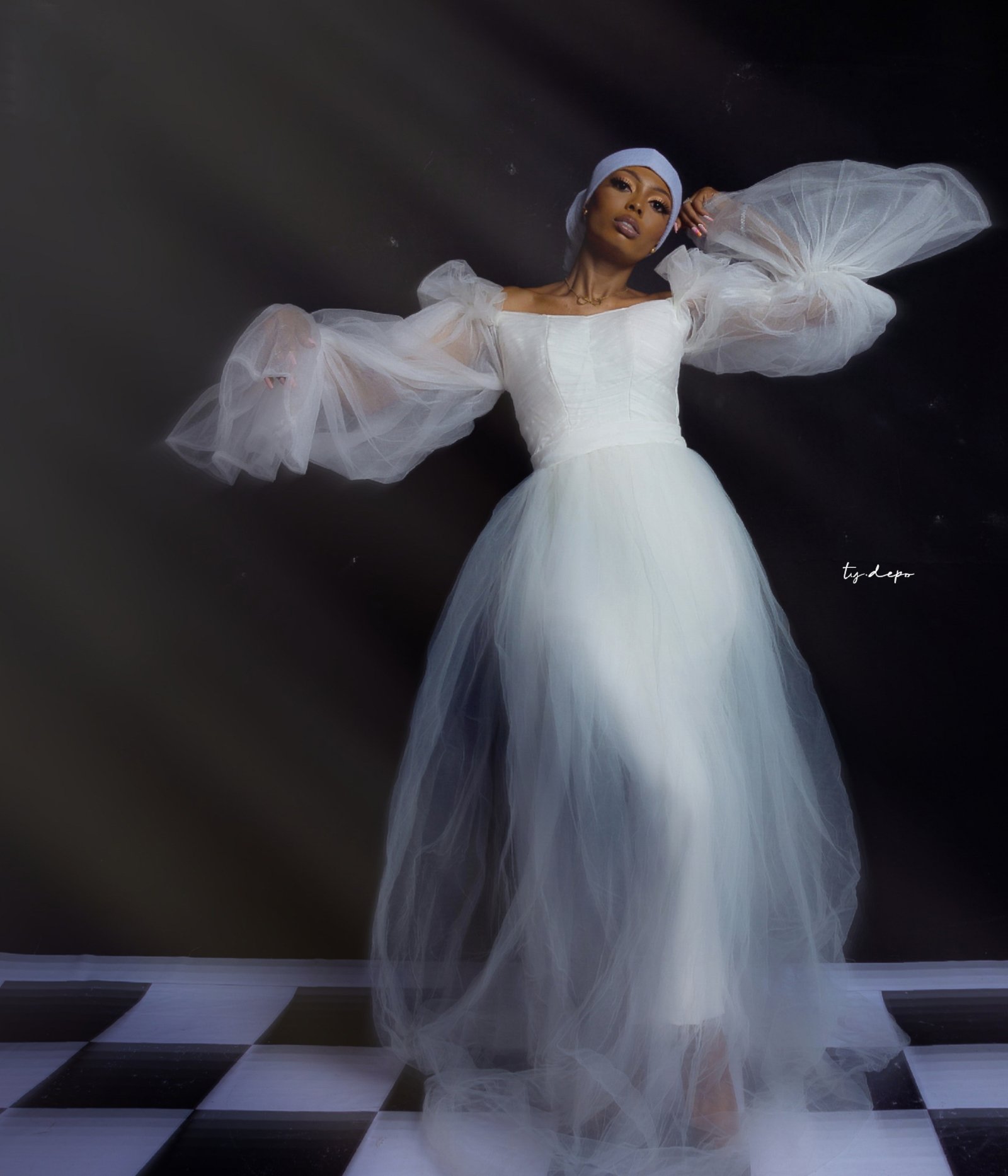
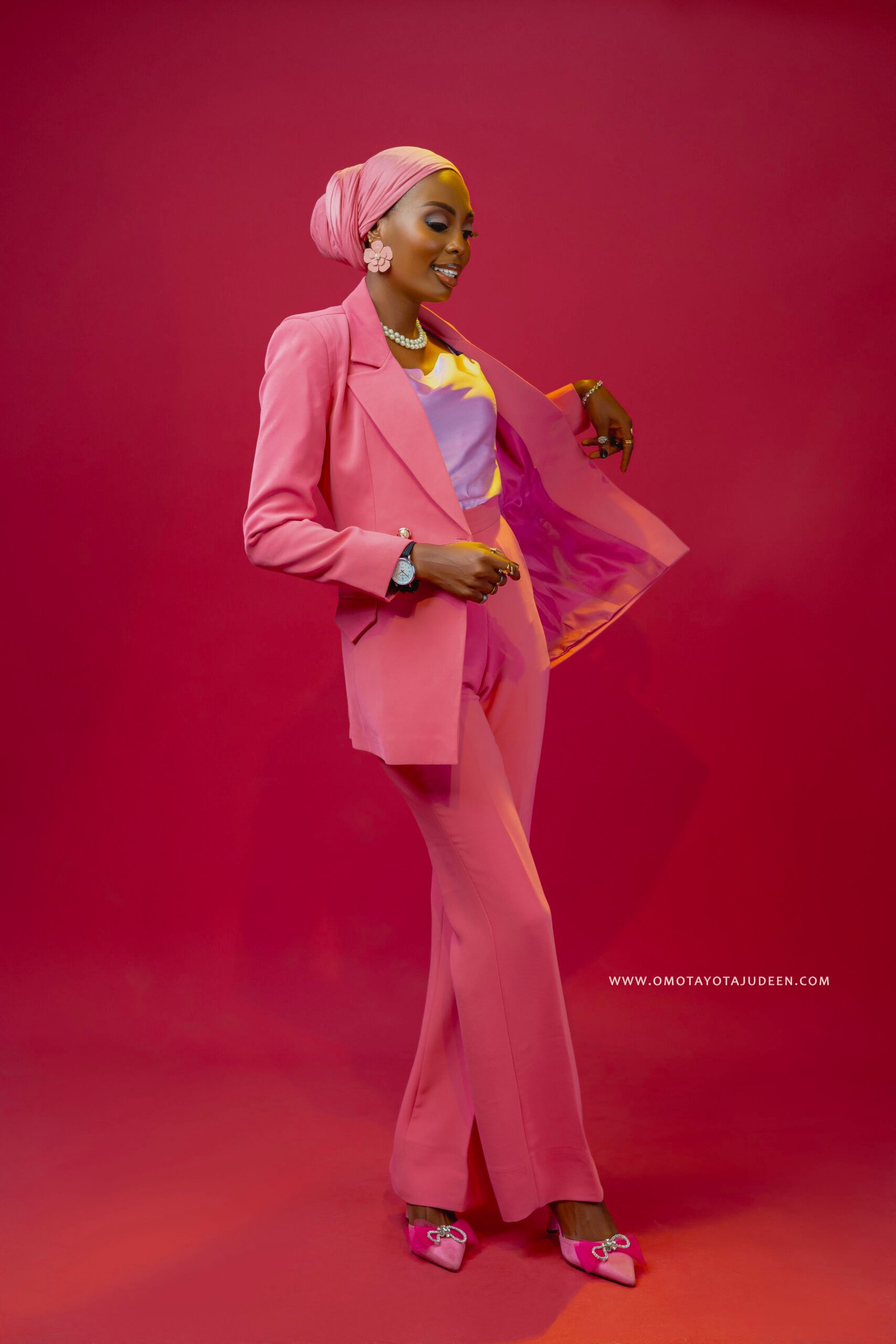
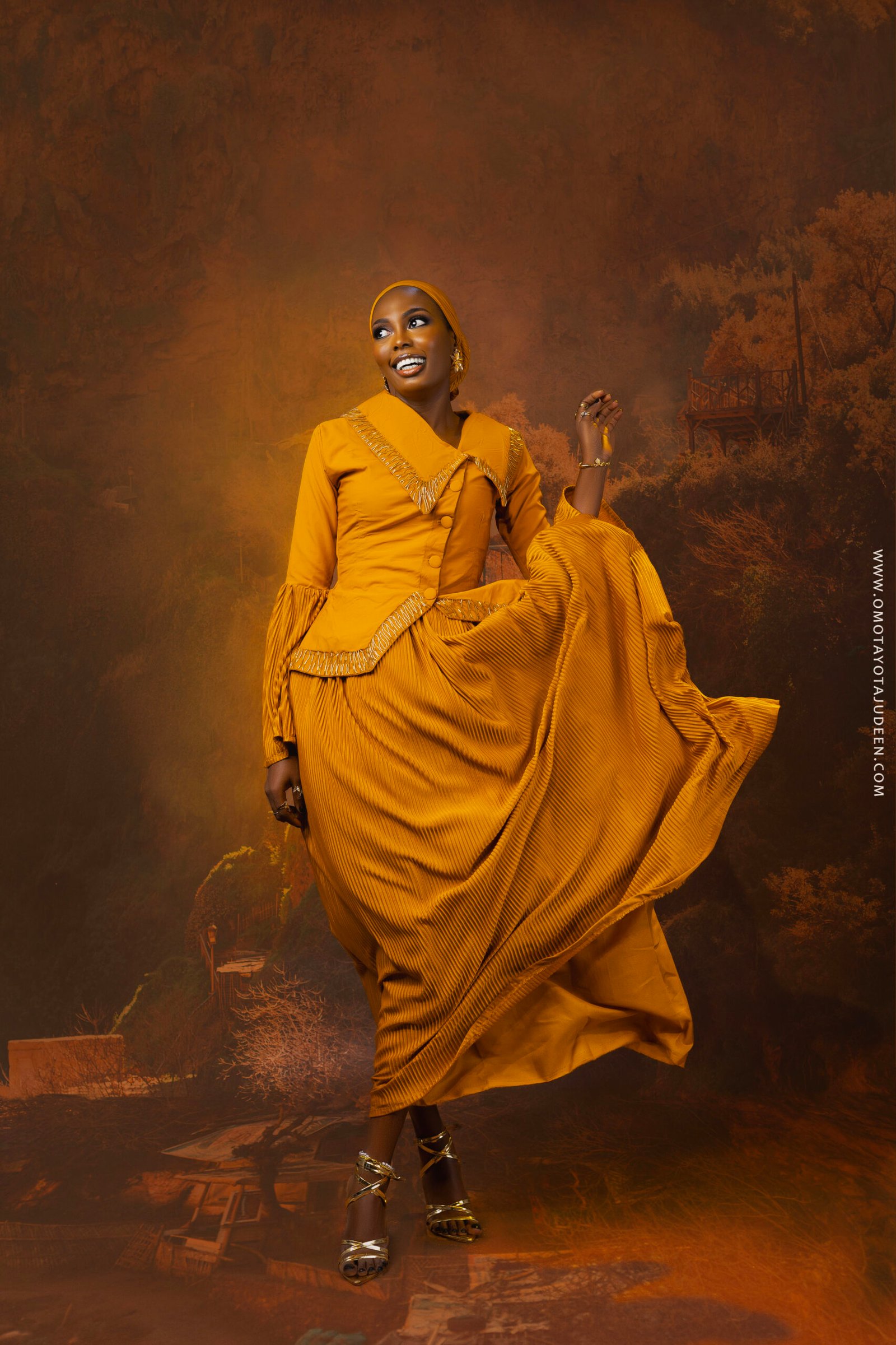
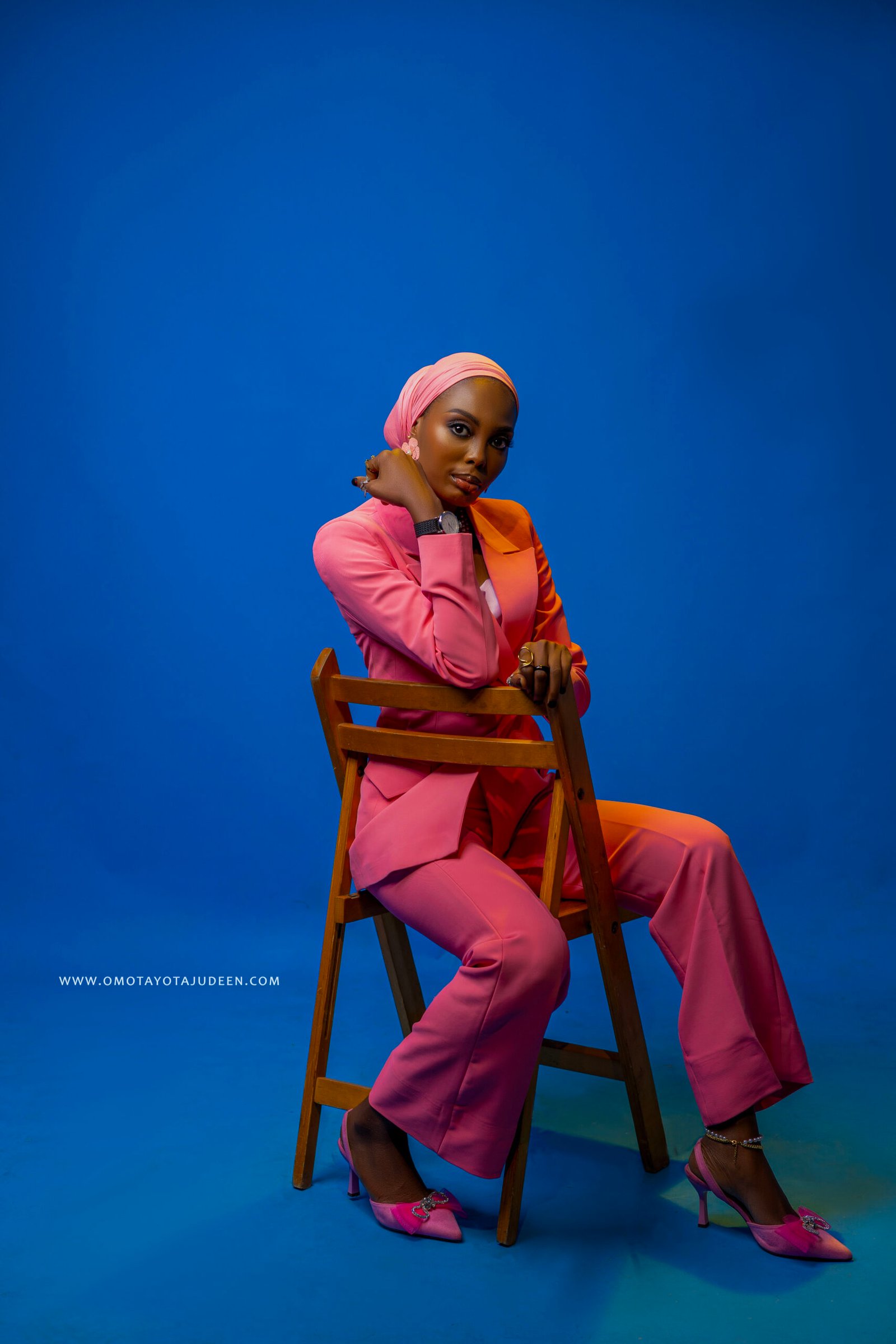
One thing that made this shoot particularly interesting was the simplicity of the brief. When Sukurat reached out for her 30th birthday shoot sometime in 2025, she already had a clear vision in mind and her instruction was simple:
“I just want very clean and sharp images.”
Along with the brief, she sent just two reference images—one for each look we planned to create and that was it. No elaborate mood board or extensive treatment document, and no long list of creative references; just a clear request and a strong sense of what she wanted. Ironically, simple briefs can sometimes be more challenging than elaborate ones because when a client gives you complete creative freedom, there is room to experiment wildly. But when the direction is intentionally minimal, every creative decision becomes more deliberate.
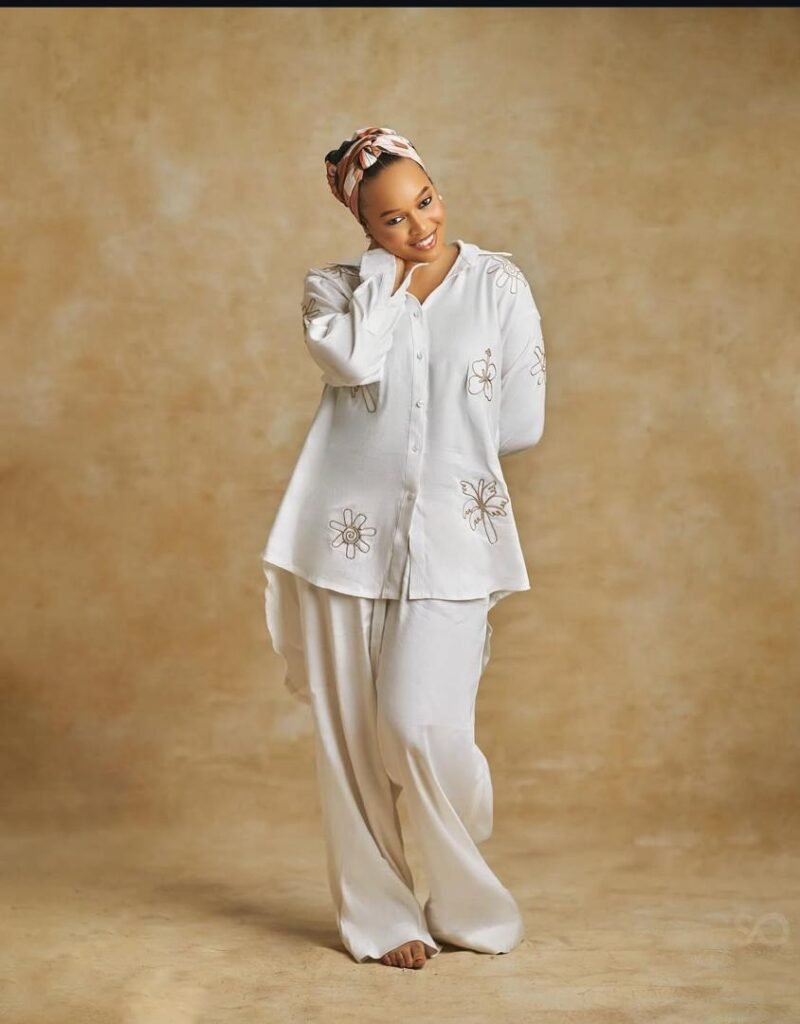
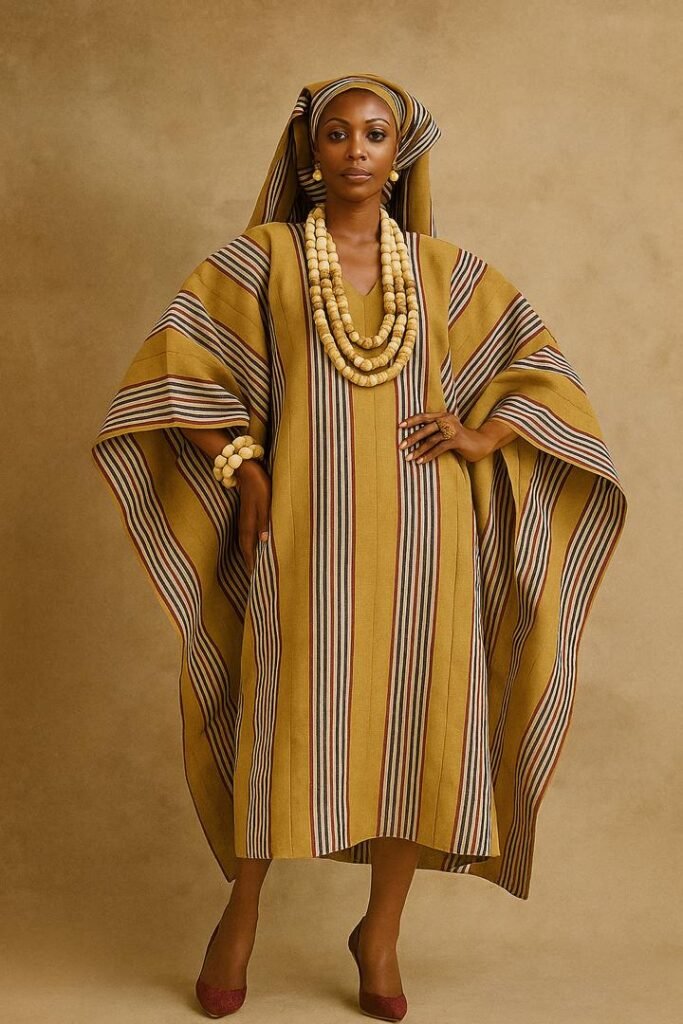
As I began planning the shoot, I found myself having an internal conversation. Part of me wanted to explore multiple concepts and push the creative boundaries further while another part of me understood that my responsibility was not to create the shoot I wanted, it was to create the shoot she needed. So I had to remind myself not to overthink it. The goal wasn’t complexity, the goal was excellence and the challenge became finding the balance between honouring her request for clean, sharp portraits while still bringing my own creative perspective into the work. I wanted the images to feel refined but not sterile, elegant but not excessive and timeless but not predictable. That balance ultimately became the foundation for every decision that followed.
Building the Concept
With the brief established, the next challenge was figuring out how to make the photographs feel special without moving away from what Sukurat had asked for. Even though her request was simple; I’m of the opinion that simplicity doesn’t mean ordinary and the more I thought about it, the more I realised that this shoot wasn’t really about celebrating a birthday. It was about celebrating growth.
Having photographed Sukurat at different stages of her life, I had witnessed subtle changes in the way she carried herself. There was a maturity and confidence that naturally comes with experience, and I wanted the photographs to reflect that.
Rather than building a concept around trends or elaborate storytelling, I decided to focus on creating portraits that felt timeless. Images that could be looked at years from now and still feel relevant and communicated confidence without trying too hard. Images that really felt like her.

Starting With Colour
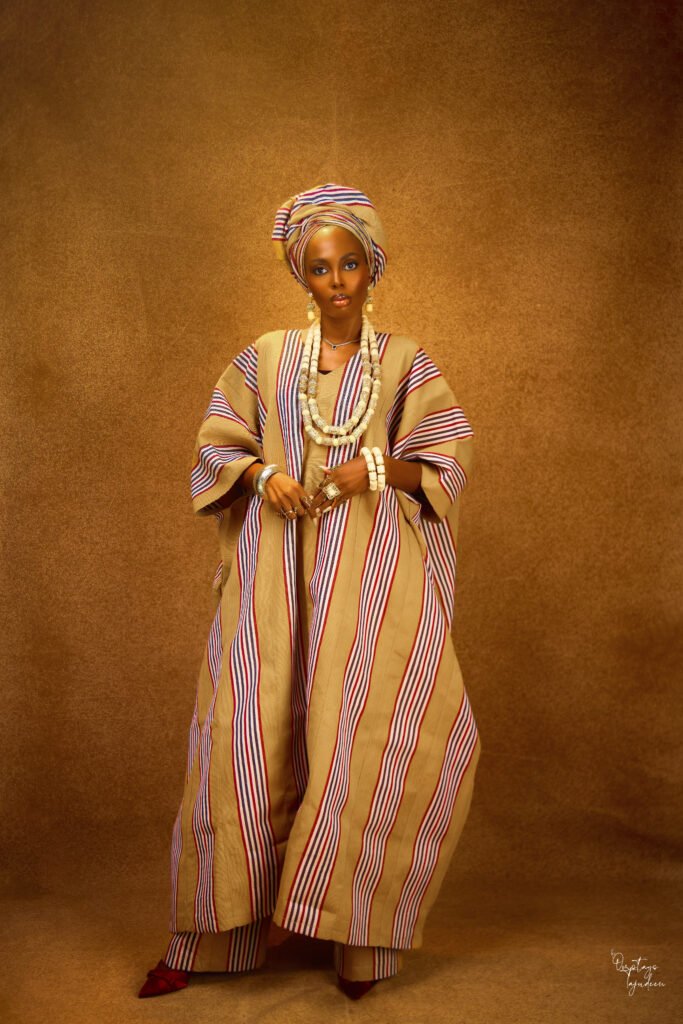
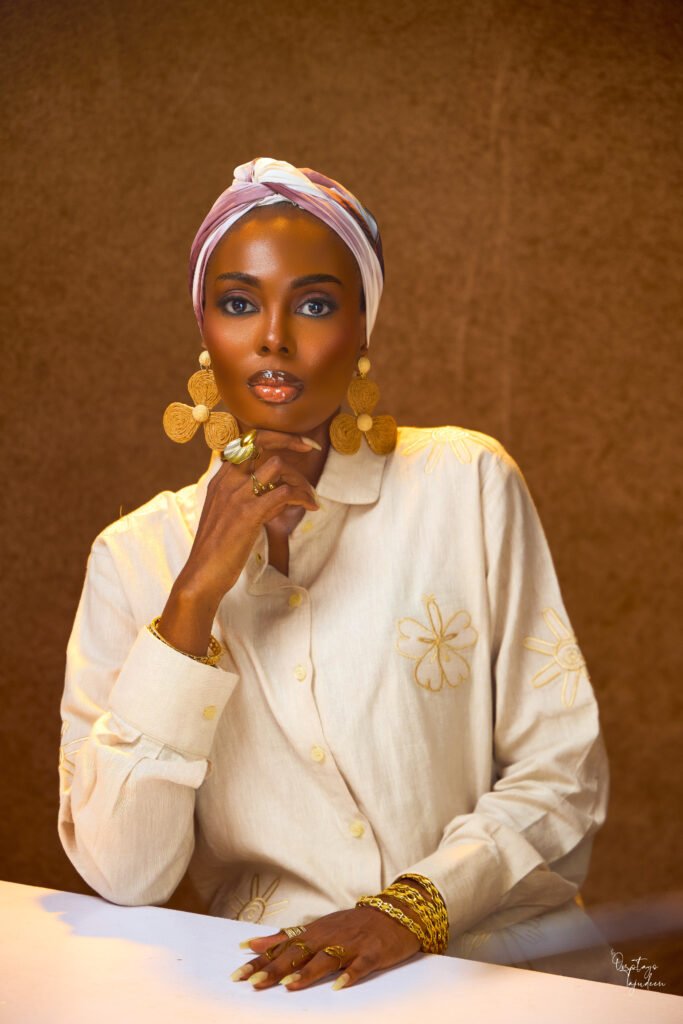
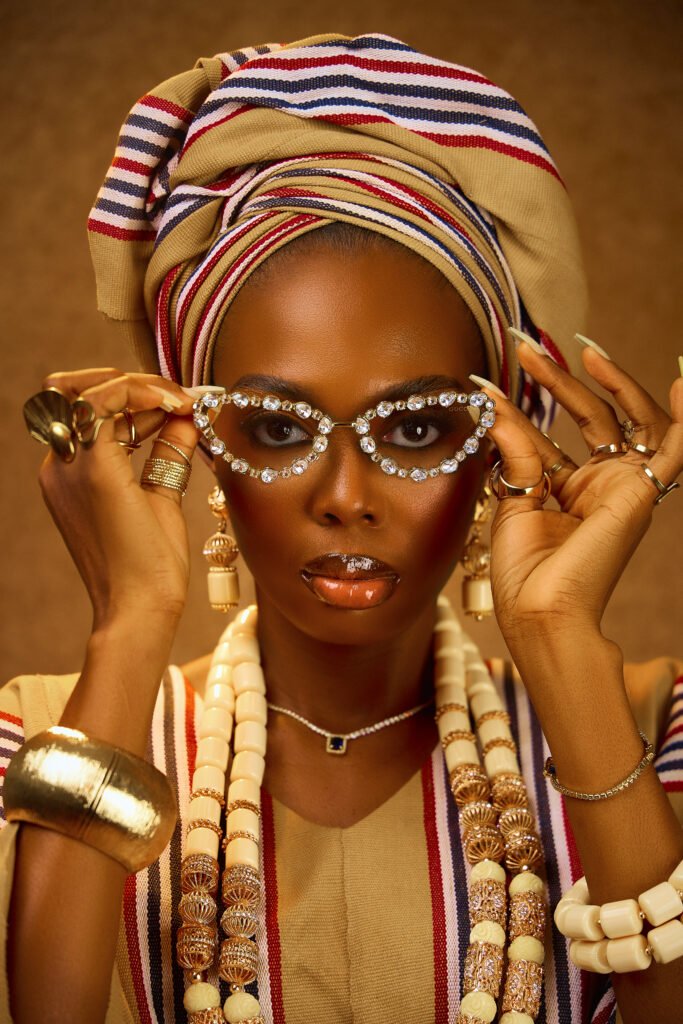
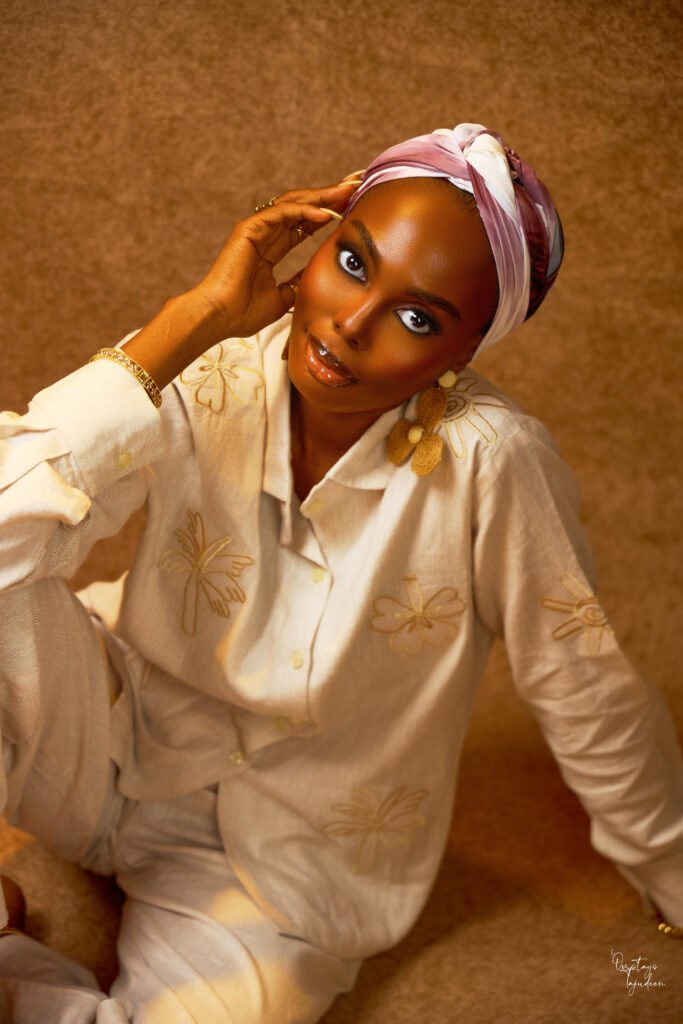
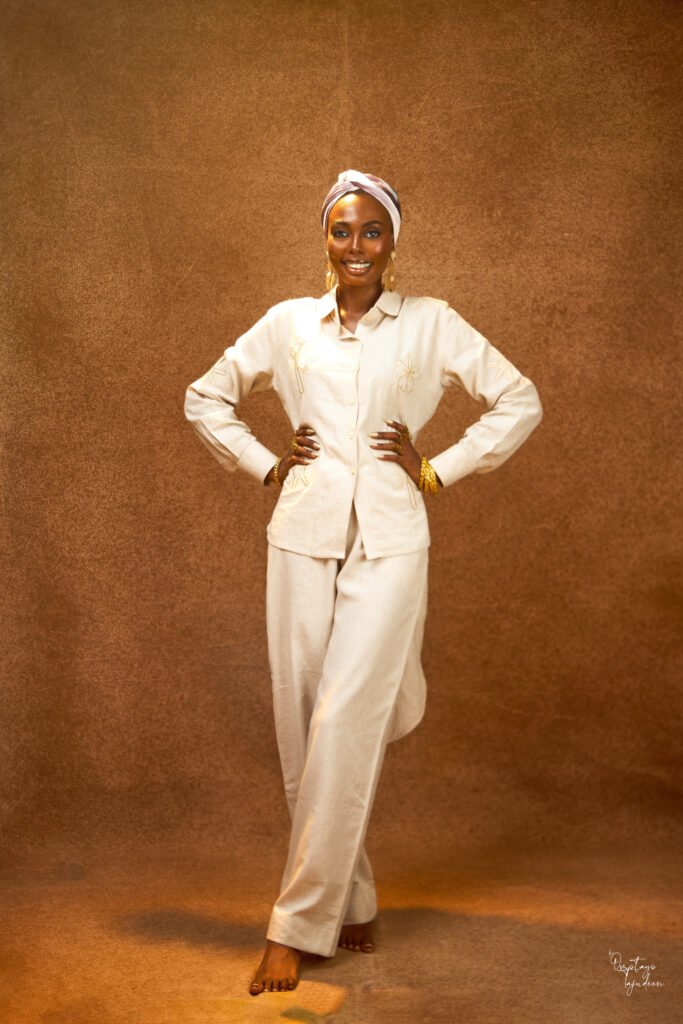
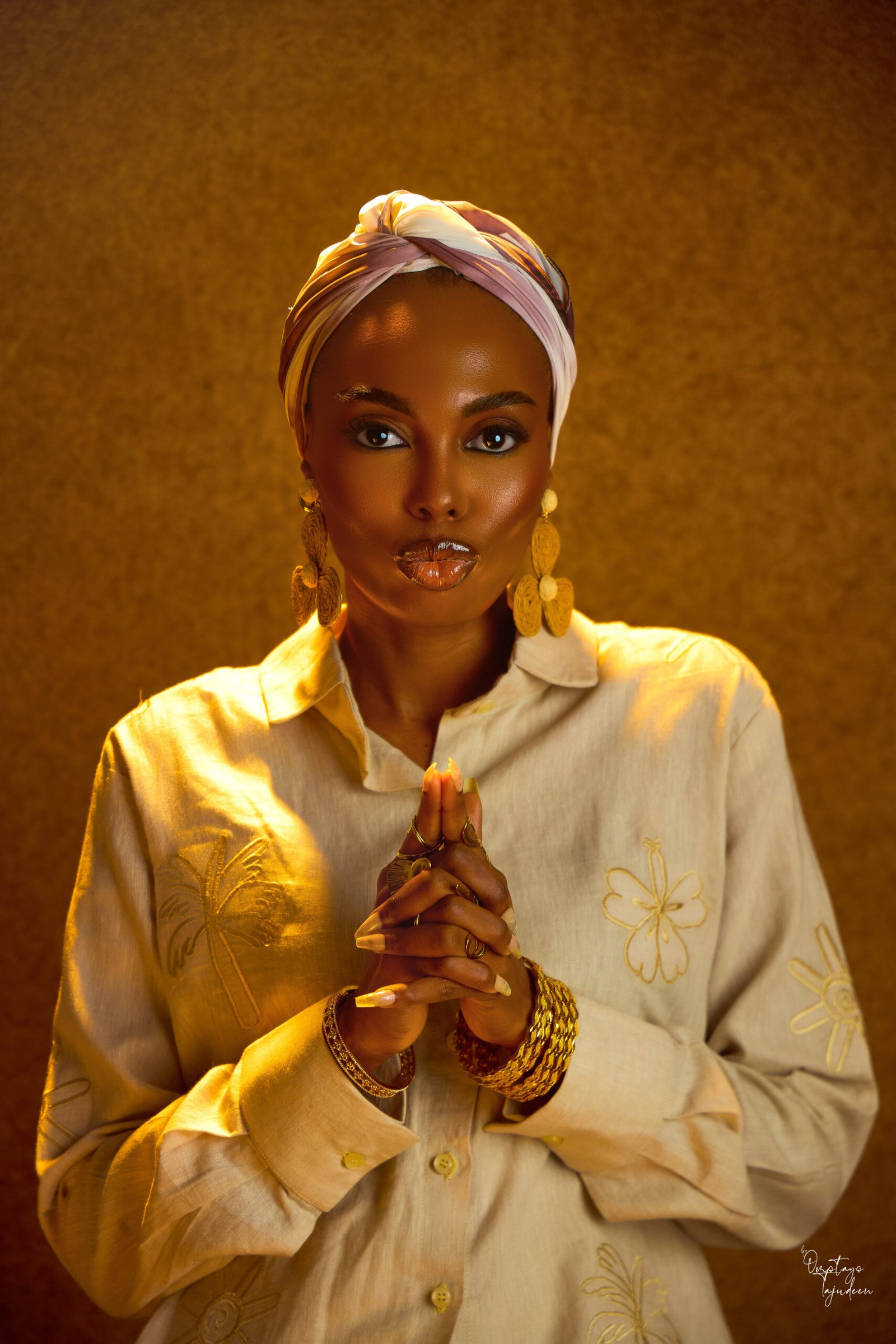
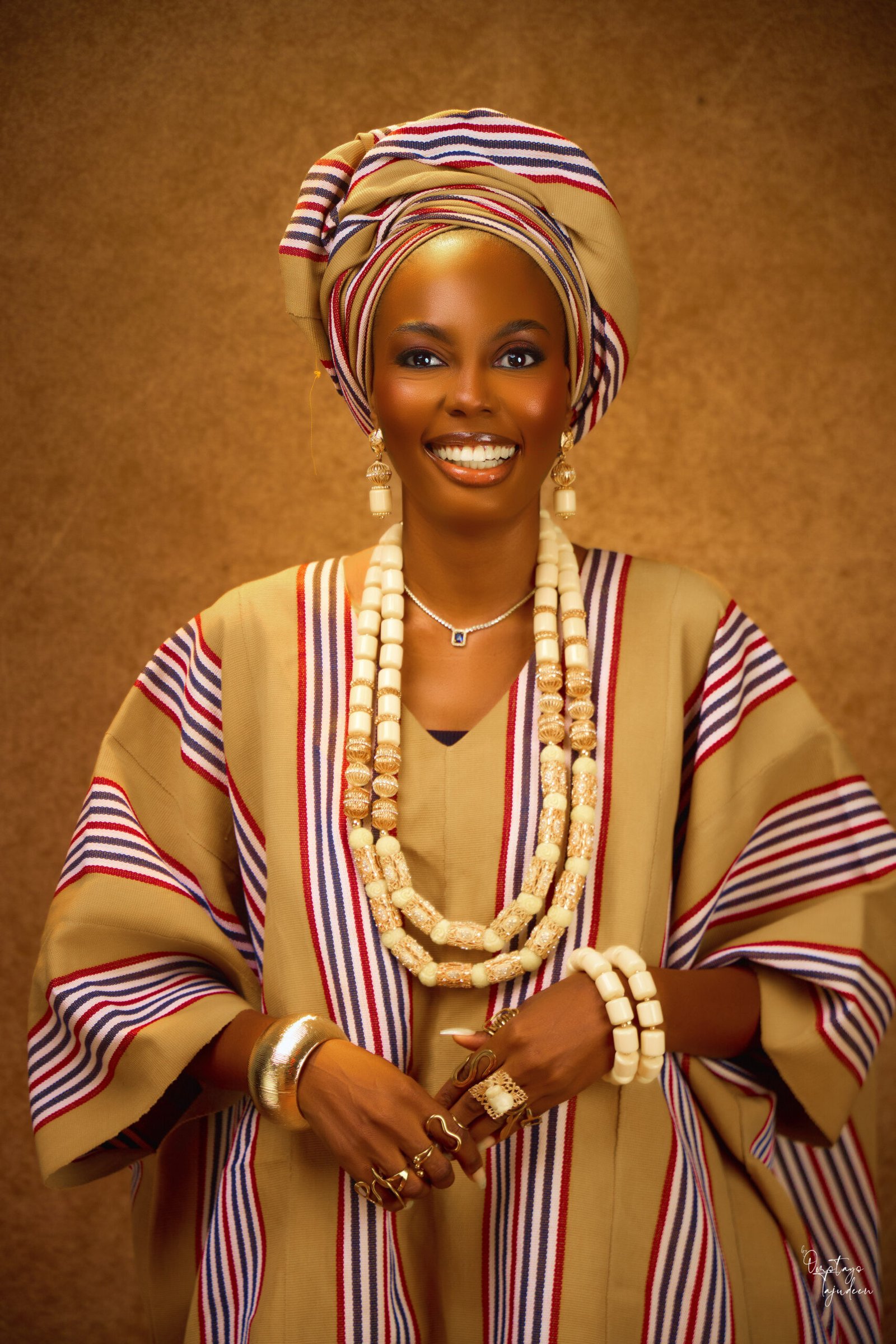
One of the first things I paid attention to was colour. Since the goal was to create a clean and refined portrait, I knew the colours needed to work together rather than compete for attention and the wardrobe provided the starting point.
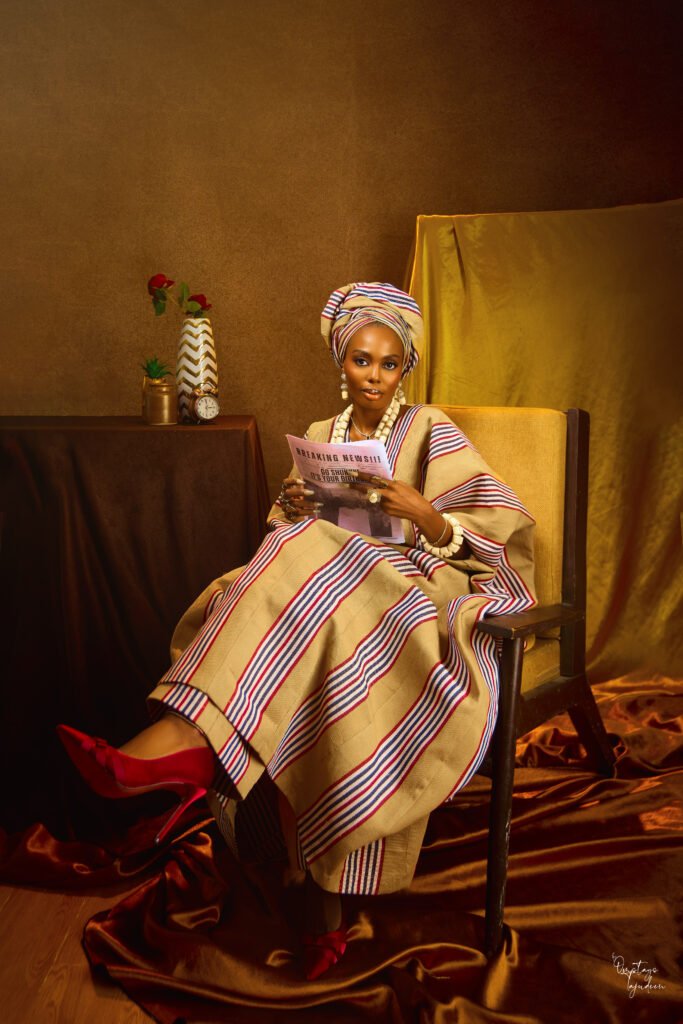
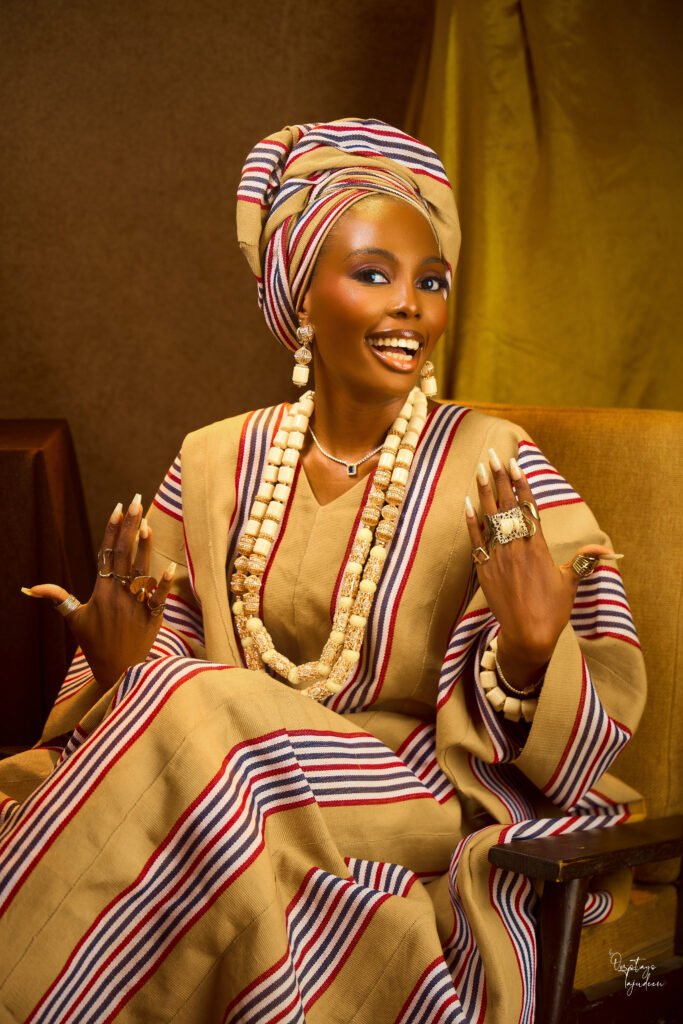
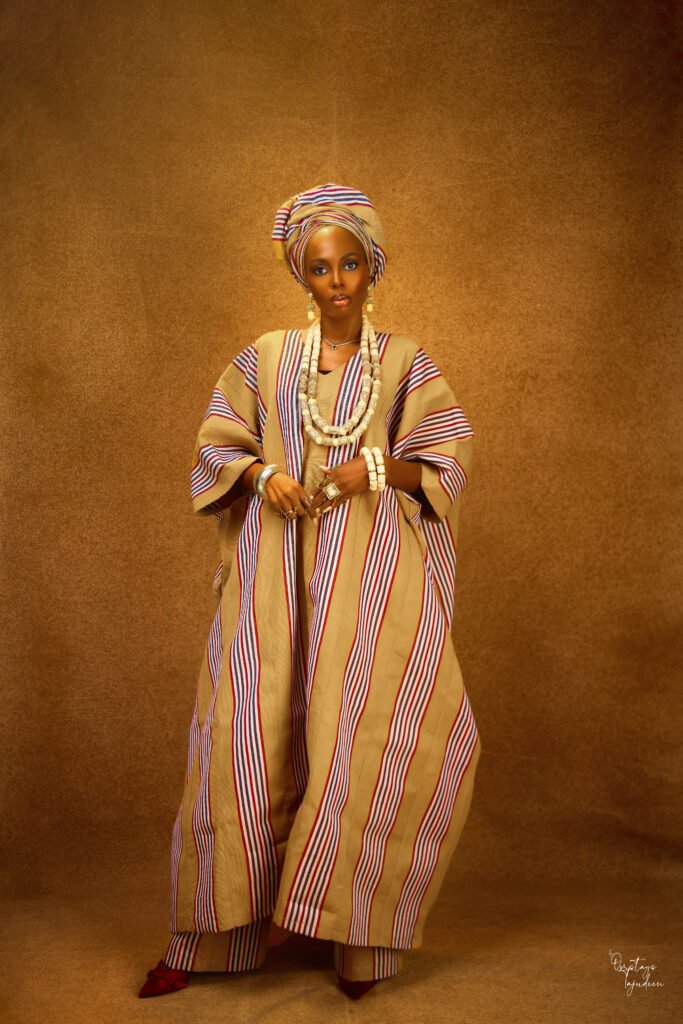
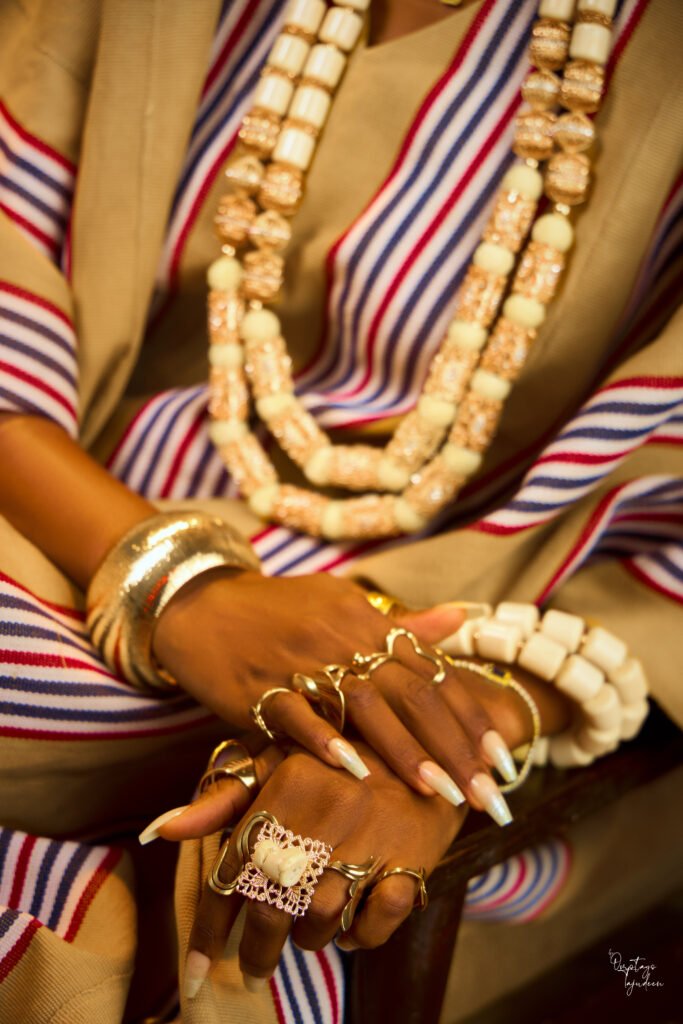
The rich earth tones, warm creams, deep reds of her shoes, and gentle touches of gold immediately suggested a direction and instead of introducing bold or contrasting colours, I chose to build a palette that felt cohesive and harmonious.
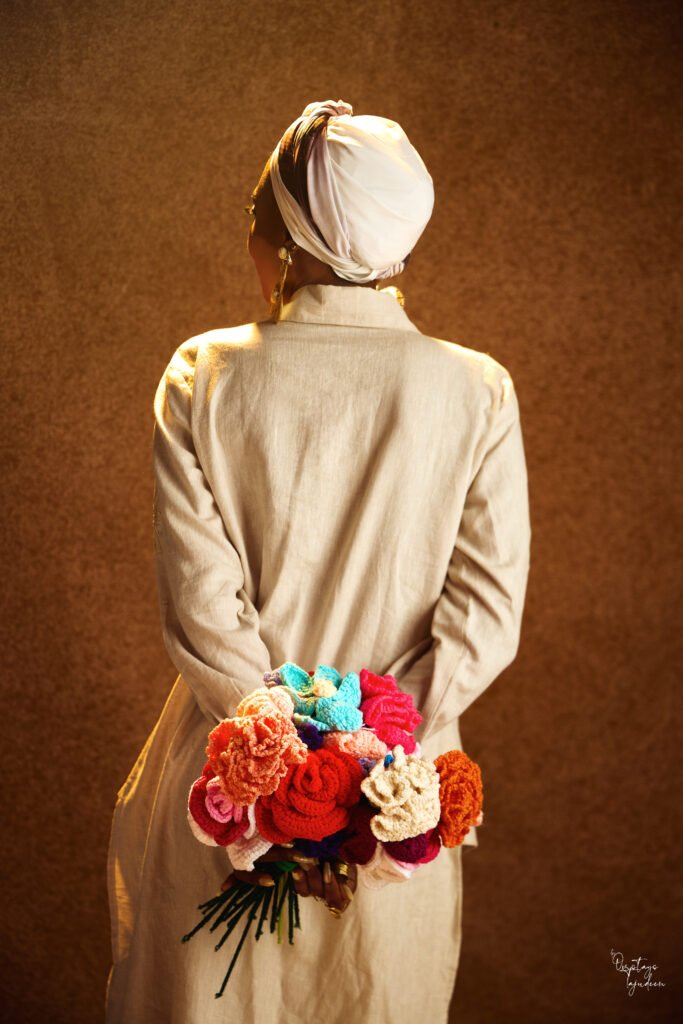
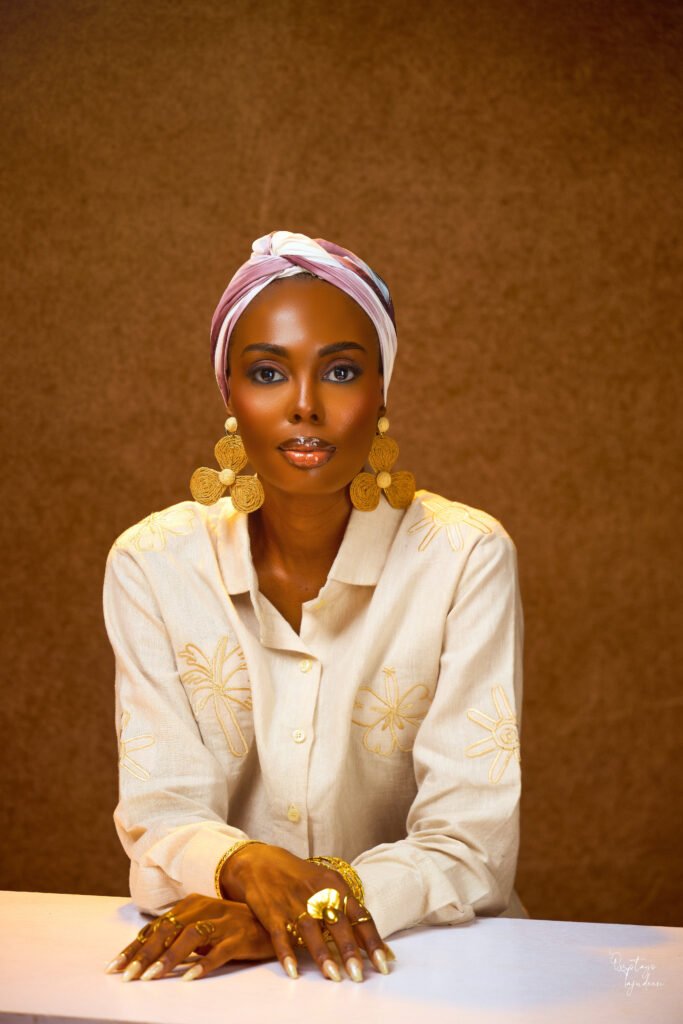
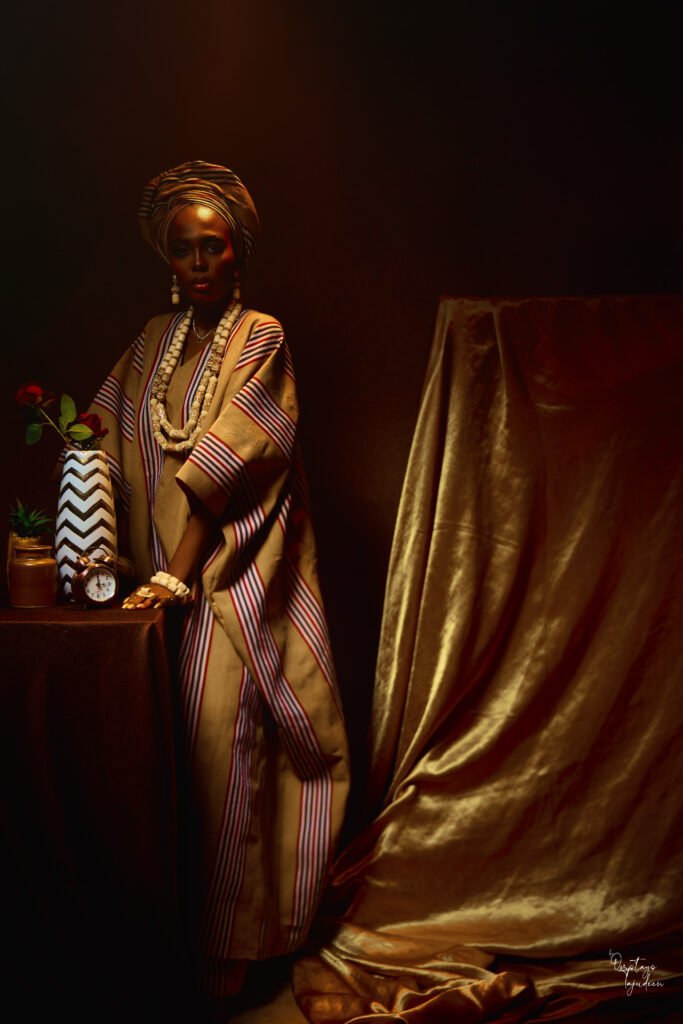
The warm brown backdrop, the golden drapery, the dark wood furniture, the subtle accents within the styling; everything was selected to support the subject rather than distract from her. Each element was chosen to feel related rather than identical. And because the goal was harmony, I wanted the viewer’s eye to move through the frame naturally instead of being pulled in multiple directions. The result was a monochromatic palette that felt rich without being loud and elegant without feeling overly styled.
Set Design
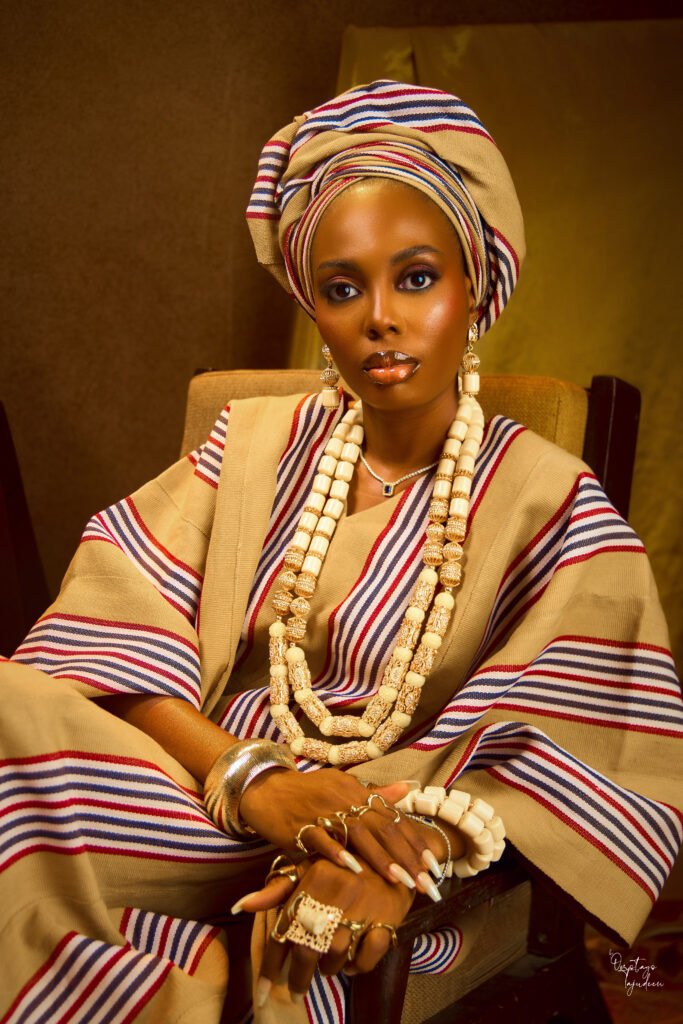
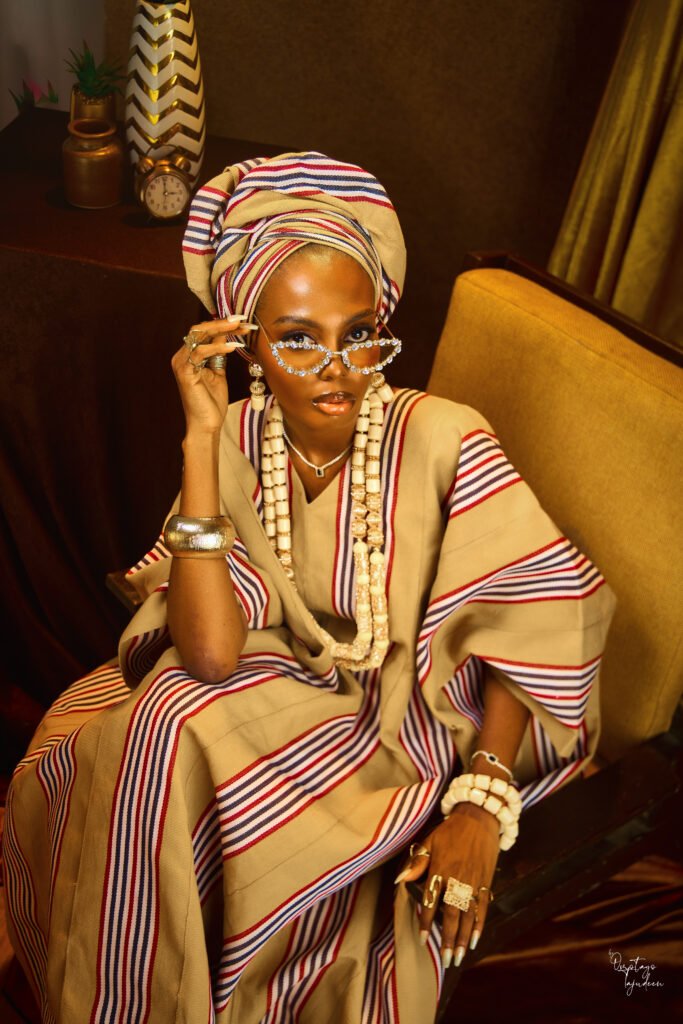
One thing I constantly think about and has become a key element of my work when creating portraits is how to add depth to a frame. A person standing against a plain backdrop can create a beautiful image, but I always want my images to feel more immersive and dynamic, and this wasn’t going to be an exception; irrespective of the simplicity of the brief.
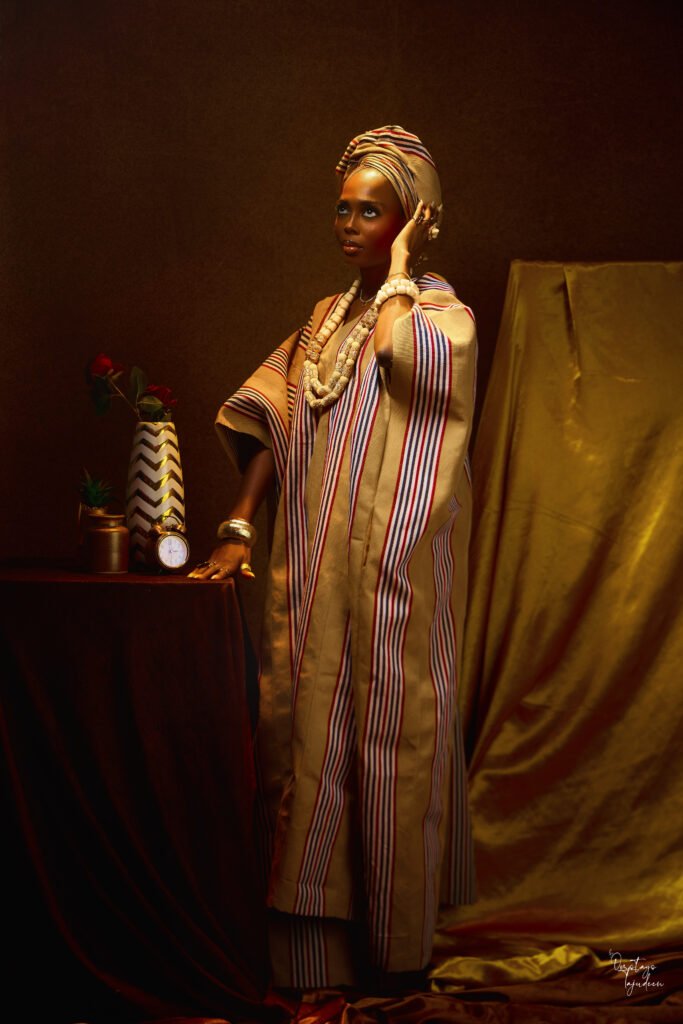
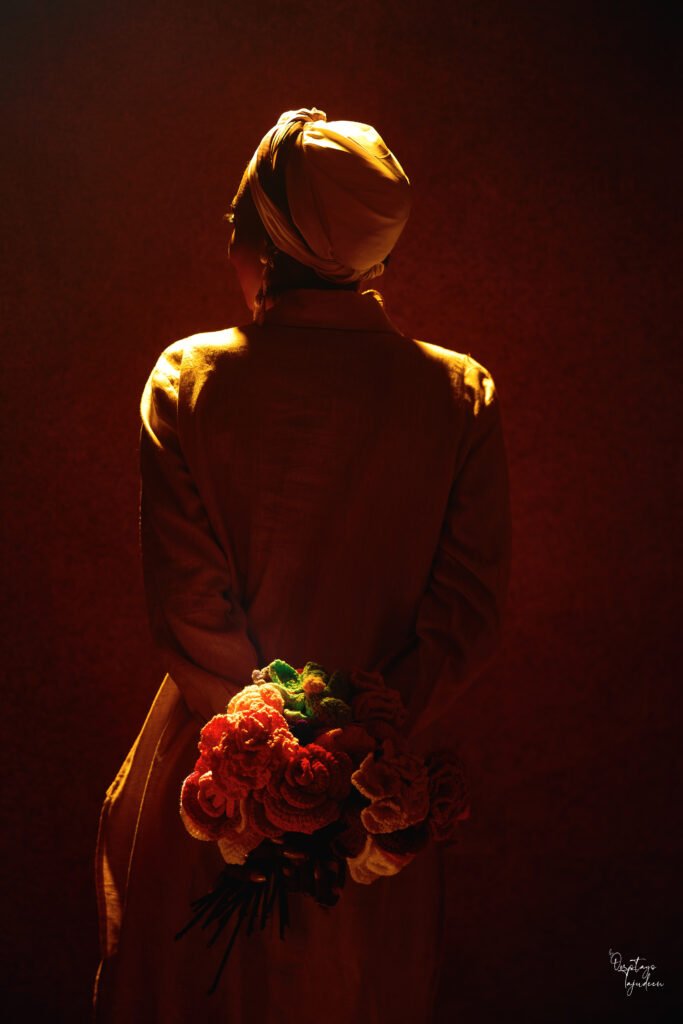
The set was intentionally layered using each element within the frame. The chair became the anchor point of the composition as I introduced balance and structure with the side table. The flowers introduced a subtle organic element while adding softness and texture, and the draped fabrics helped create visual layers from foreground to background while also creating dimension within the frame. Each element had a purpose, but none of them were intended to become the focal point. The objective was to create an environment that felt intentional while still allowing Sukurat to remain at the centre of the story. Every prop was there to support the portrait, not compete with it.
Lighting
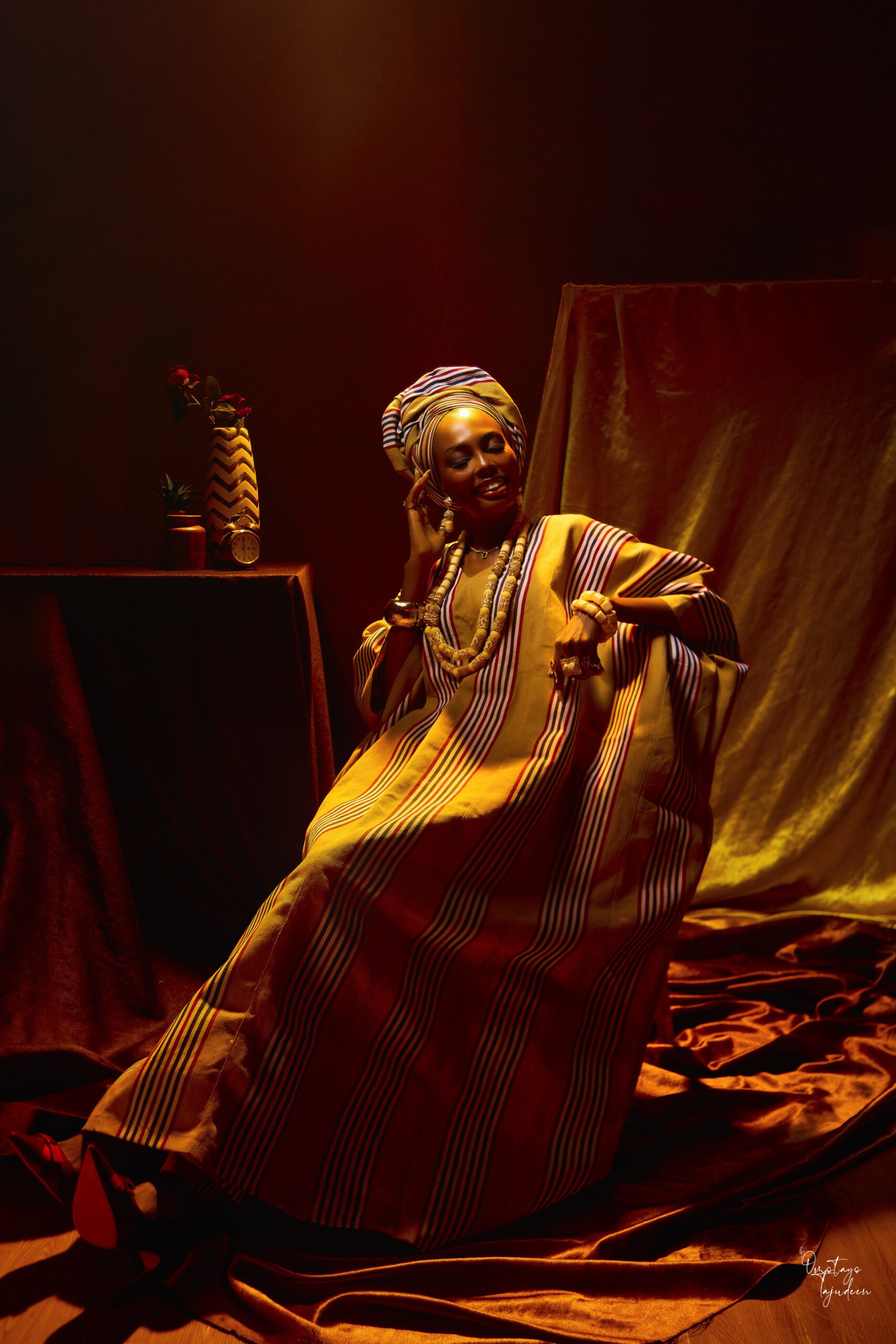
Now, this was arguably the most important creative decision of the entire shoot because it is very easy to get wrong. When people hear the phrase “clean and sharp”, they often imagine bright, flat lighting but that wasn’t what I wanted. I wanted the image to feel clean, but I also wanted it to have depth and character. The light needed to reveal detail while still creating shape. It needed to feel polished without becoming overly washed.
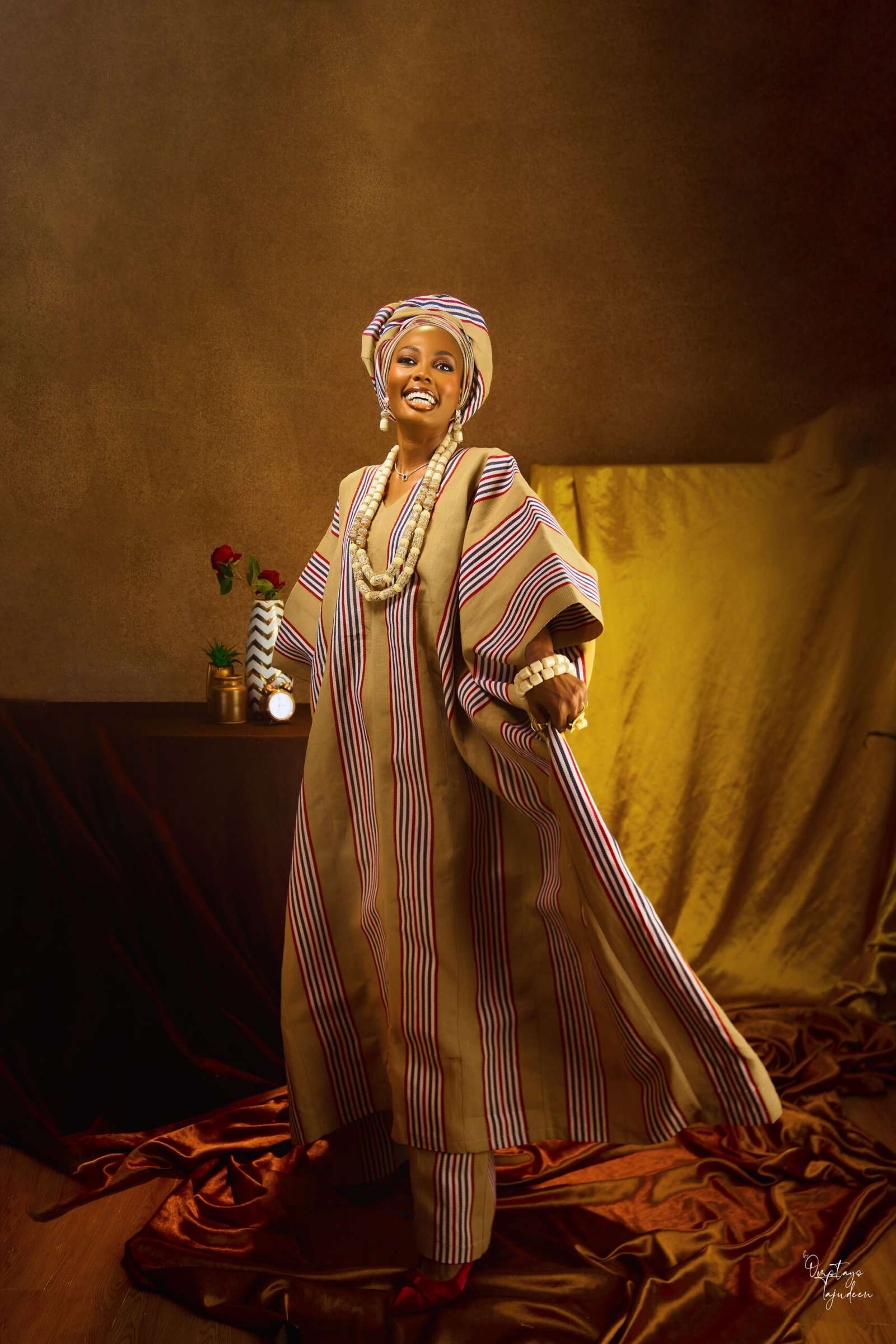
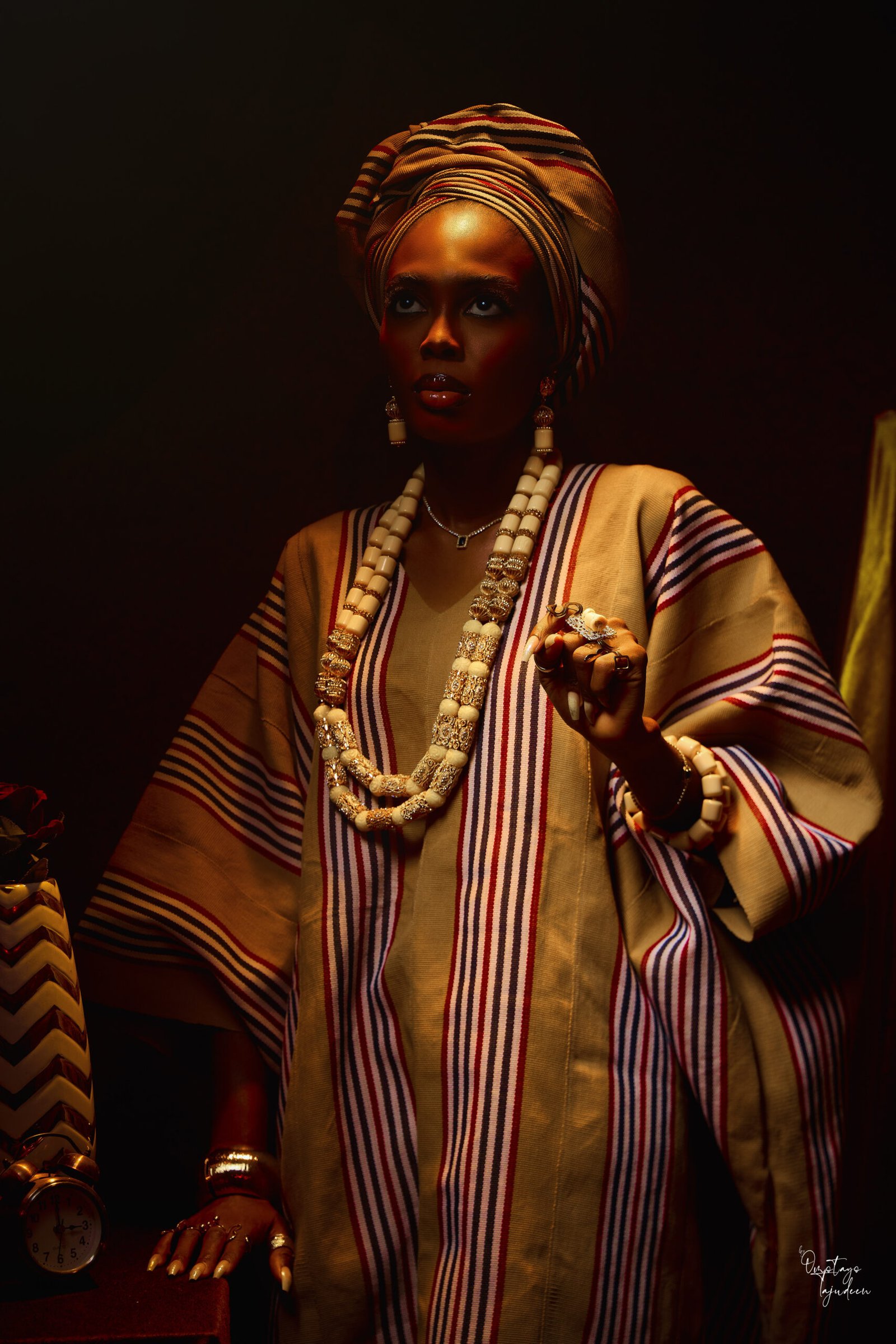
Drawing from my love for classical portraiture and renaissance paintings, I chose a lighting approach that gently sculpted the face and clothing while preserving the richness of the scene; and to do that, I opted for a 25cm beauty dish, gridded and just at the right power to illuminate her face and preserve her facial structure and the textures of her outfit while I used a larger soft-box to fill in shadows and create contrast between highlights, midtones and shadows. For some of the images, I used more dramatic lighting to tell a wider range of stories for these portraits, playing around with shadows, mood, contrast and even colour. Shadows are a key component of my work and they are just as important as the highlights and for this project just like I do in most of my work, rather than eliminating them completely, I allowed them to remain present enough to create dimension.
The result was an image that felt refined, elegant, and timeless.
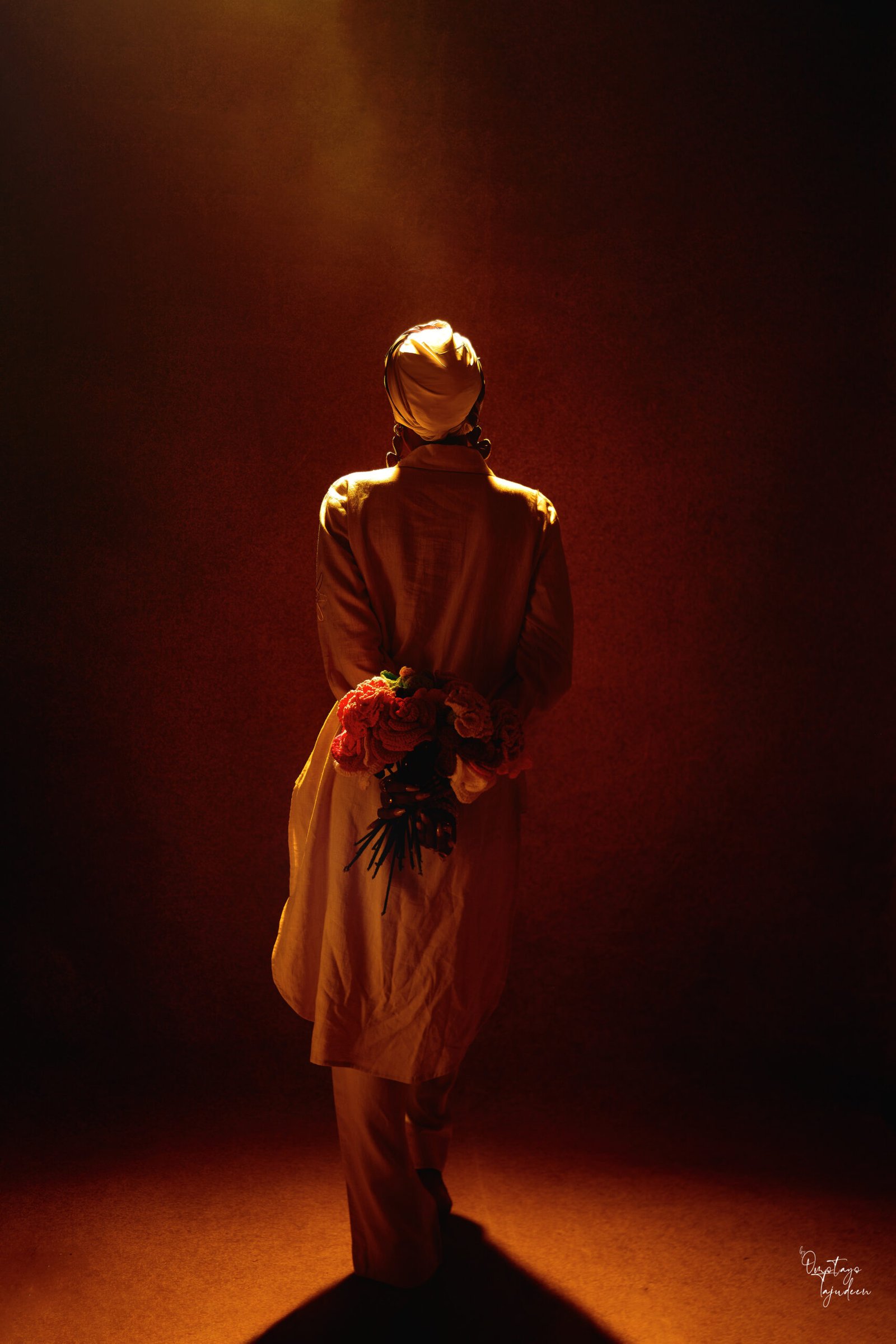
Directing Sukurat
One advantage of working with someone you’ve photographed multiple times is the level of trust that already exists as there is less time spent trying to figure each other out and the familiarity allows the process to flow more naturally. With Sukurat, the goal wasn’t only to create dramatic poses or exaggerated expressions. The focus was presence. I wanted every frame to freeze and communicate confidence and self-assurance using her posture, gaze, and expressions.
Honestly, there was very little need for complicated directions. Instead, the session became more about refining small details and helping her settle into the mood we wanted to create. Sometimes the strongest portraits come from restraint. A slight adjustment in posture or subtle shift in expression are small decisions that often have a greater impact than dramatic postures.
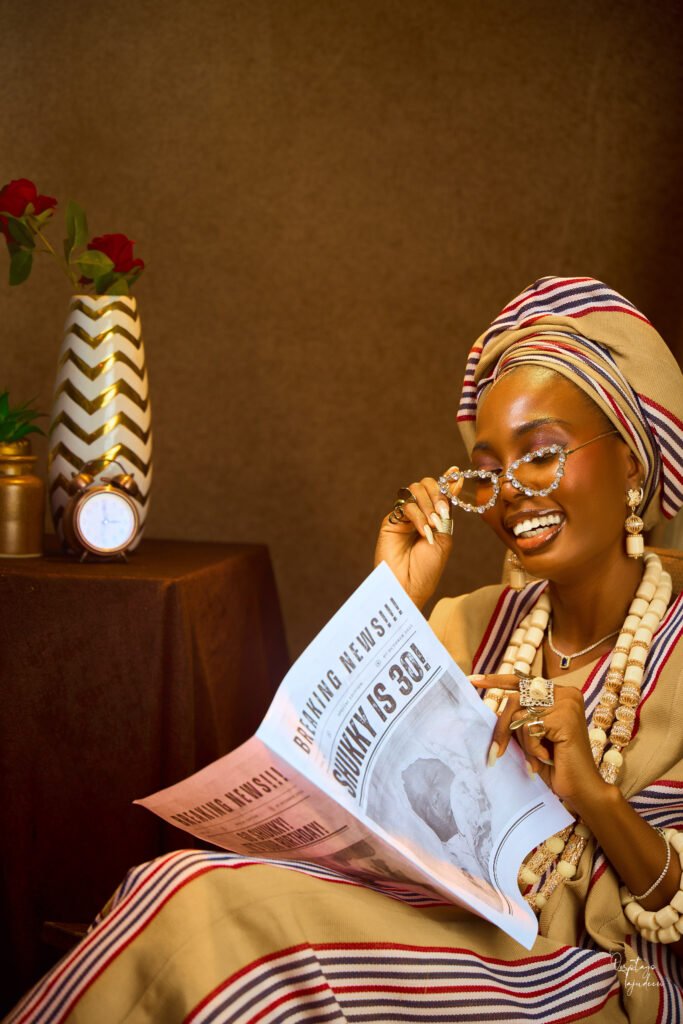
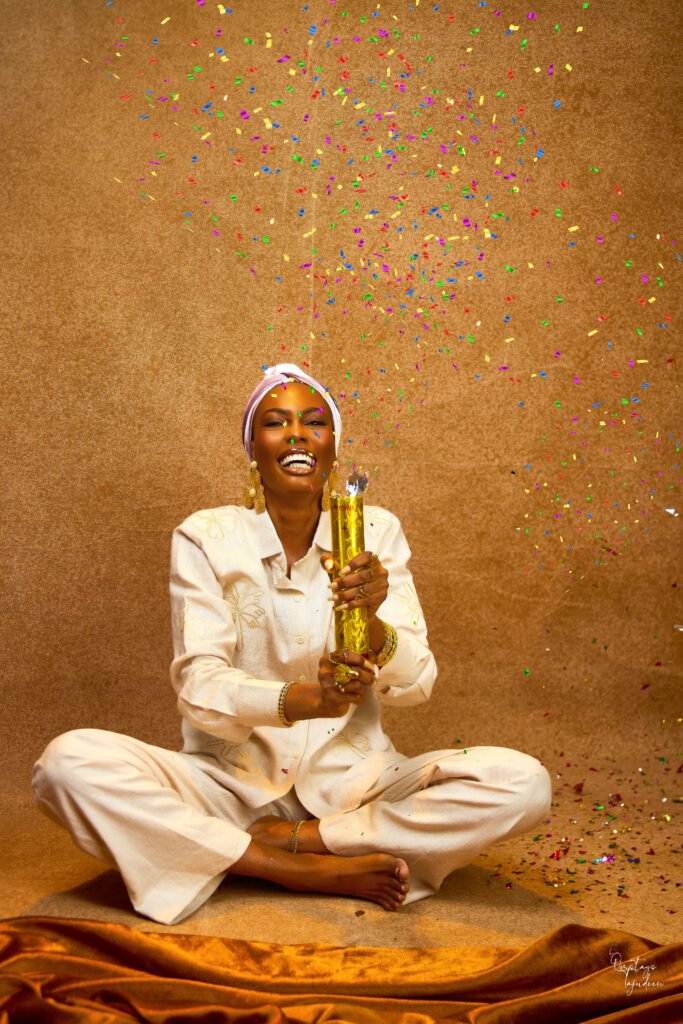
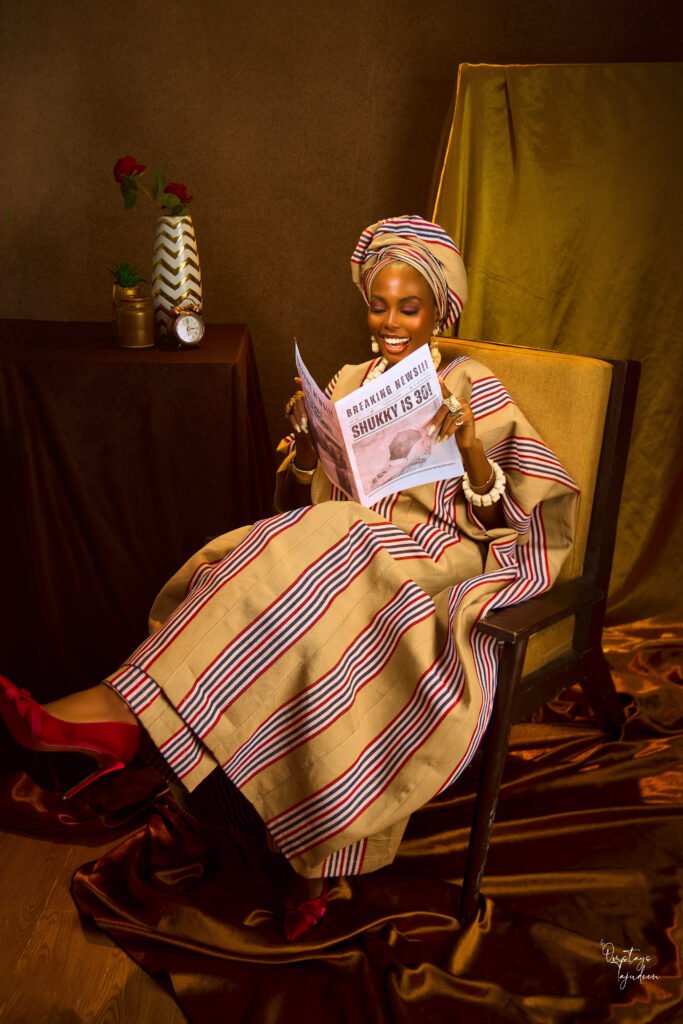
Bringing It All Together
When I look at the final photograph, I don’t immediately think about the lighting setup or the props, I think about the journey that led to it. A client I had photographed through multiple chapters of her life; a milestone birthday that carried significance; a brief that was remarkably simple yet deceptively challenging, and the responsibility of creating something that lived up to the trust that had been built over the years.
The final images represent all of those things. It reflects confidence, growth, elegance, and maturity. But more importantly, it represents the value of relationships in photography. Because while cameras, lighting, and creative ideas all matter, the most meaningful photographs are often built on something much simpler:
Trust.
And for me, that’s what makes this project special.
Woah!!
What a great storytelling!! Thank you for always capturing me the way I want!
You’re always welcome. Thank you for always trusting me!
Well done TY, your images are timeless!
thank you so much, Regina.