Originality doesn’t always come from finding a new subject. Sometimes it comes from asking a different question about a familiar one.
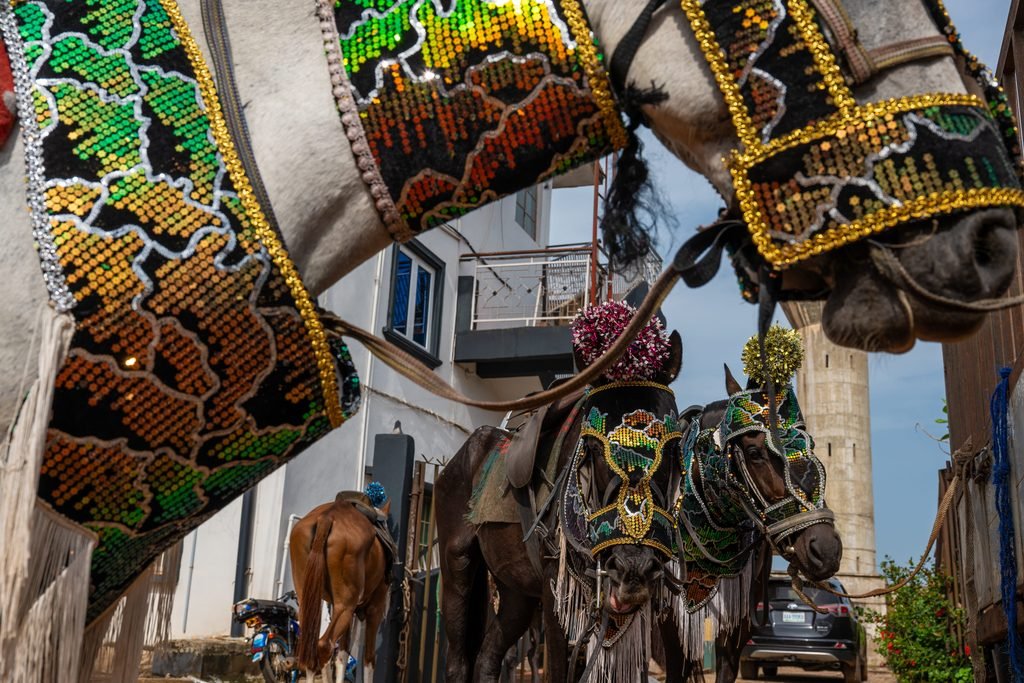
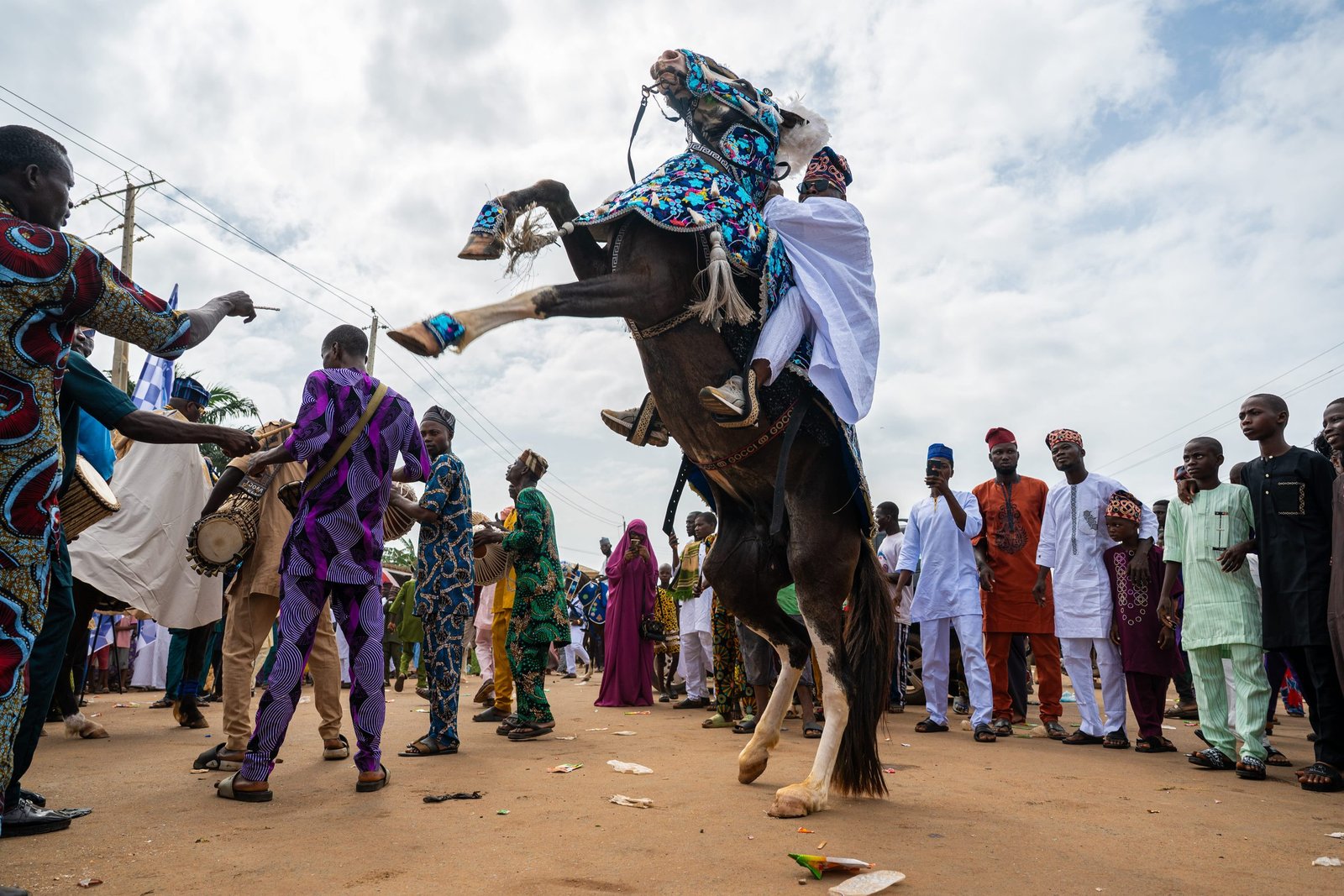
Every major cultural event has its obvious photographs; you know, those photographs everyone wants to make: The grand entrance, the elaborate clothes, the dramatic processions, the colourful crowds, the beautifully adorned horses, the spectacle, and the moments that announce themselves loudly enough that even someone experiencing the event for the first time knows where to point their camera.
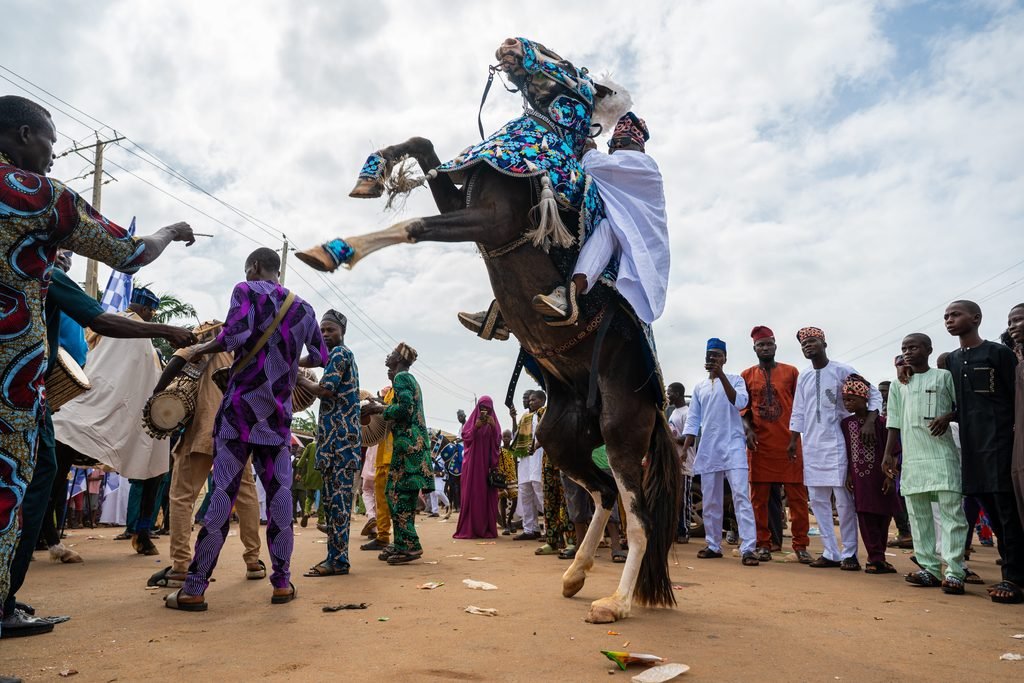
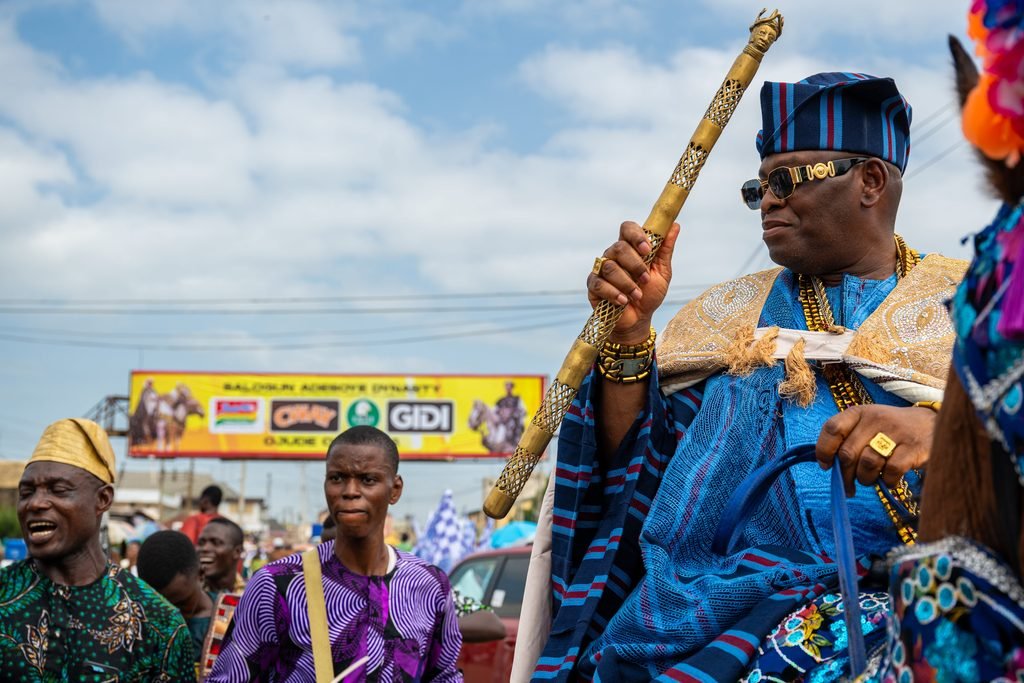
Even though there is nothing wrong with those photographs, in fact, they are often important as they document the scale, beauty and energy of an occasion, but when I went to the Ojude Oba for the first time this year, I found myself asking a different question:
What does the story look like before it becomes the spectacle everyone comes to see?
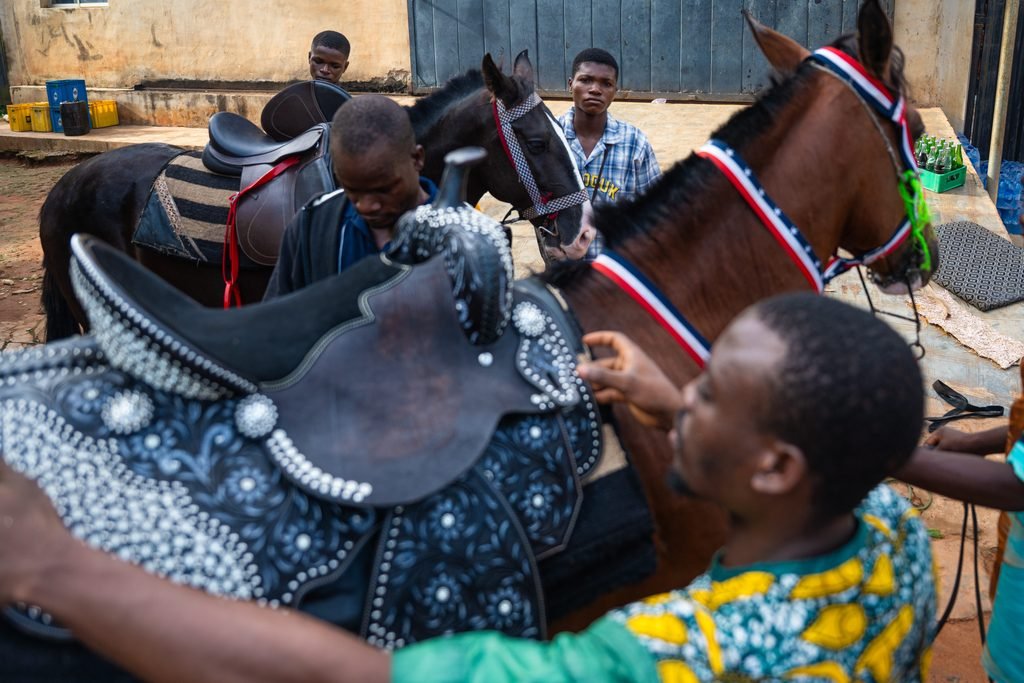
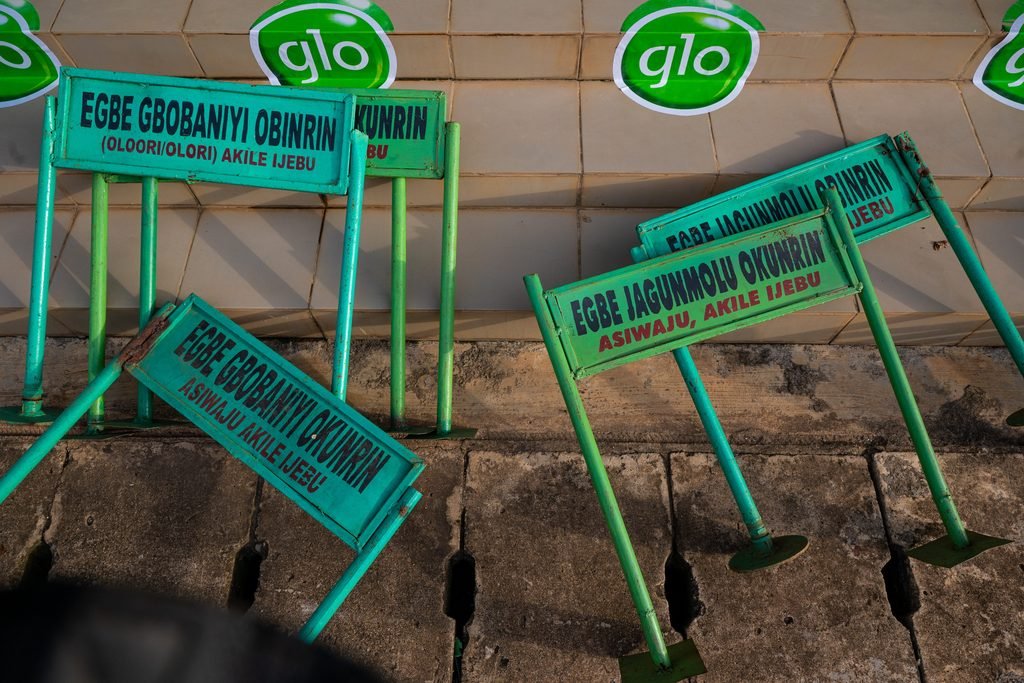
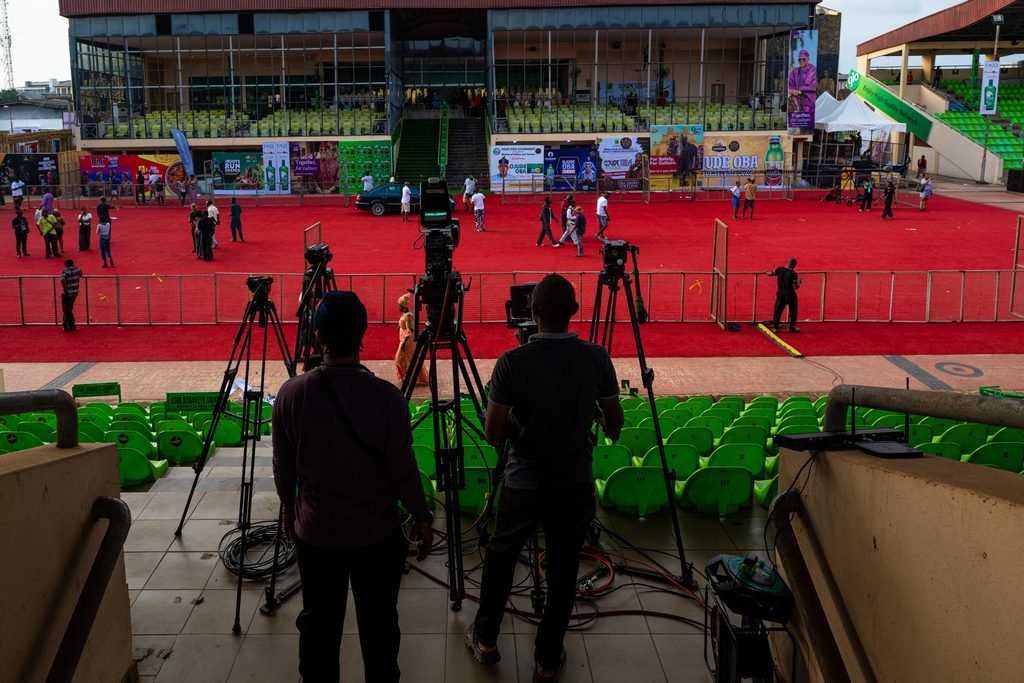
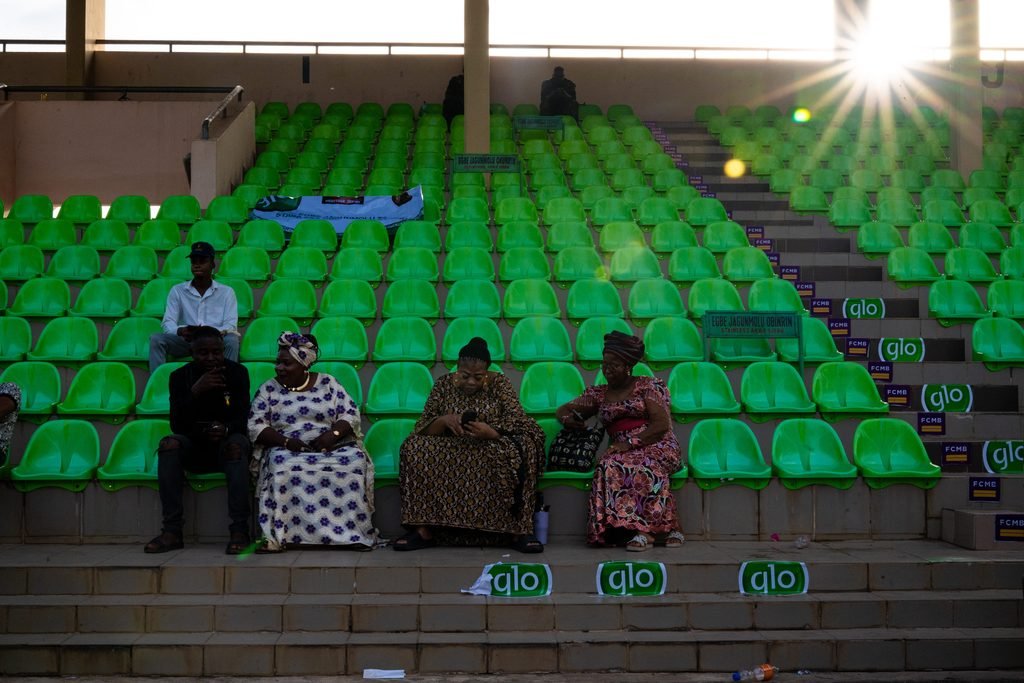
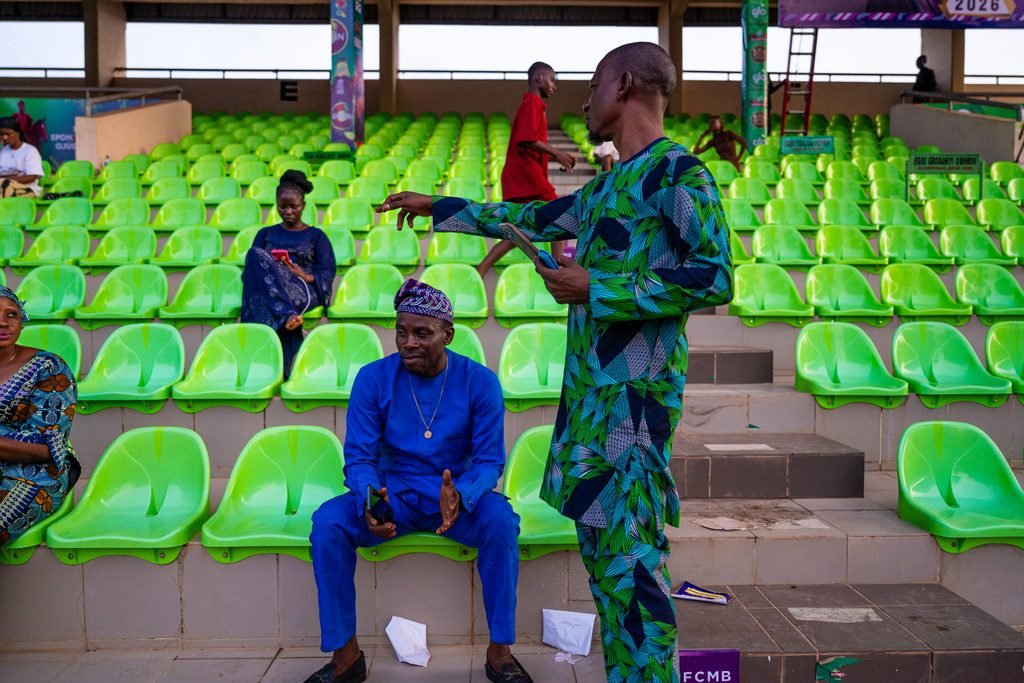
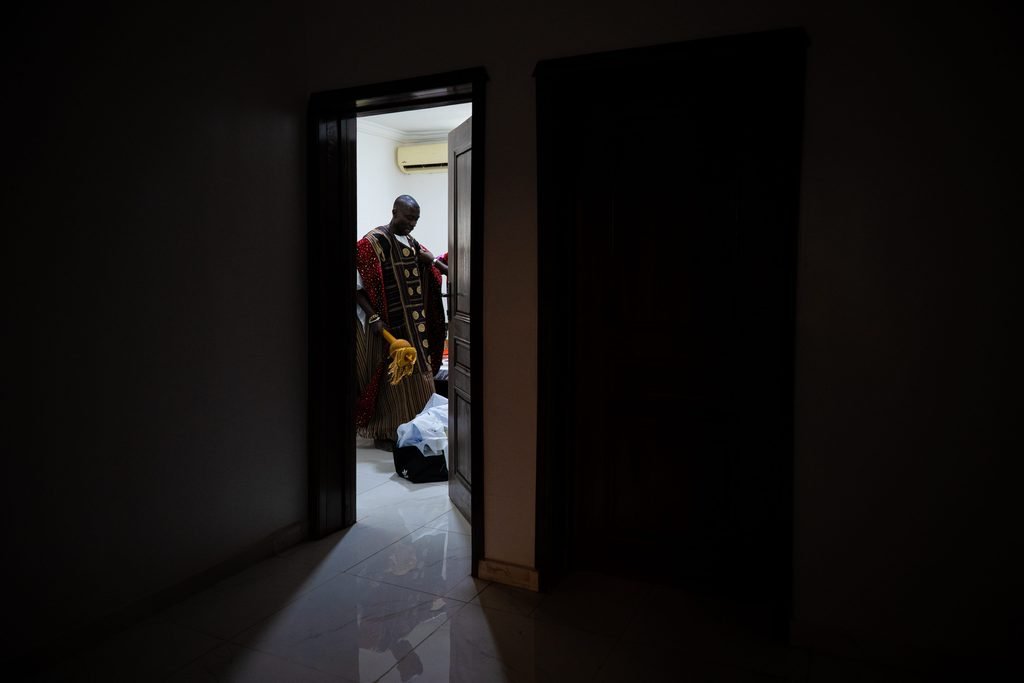
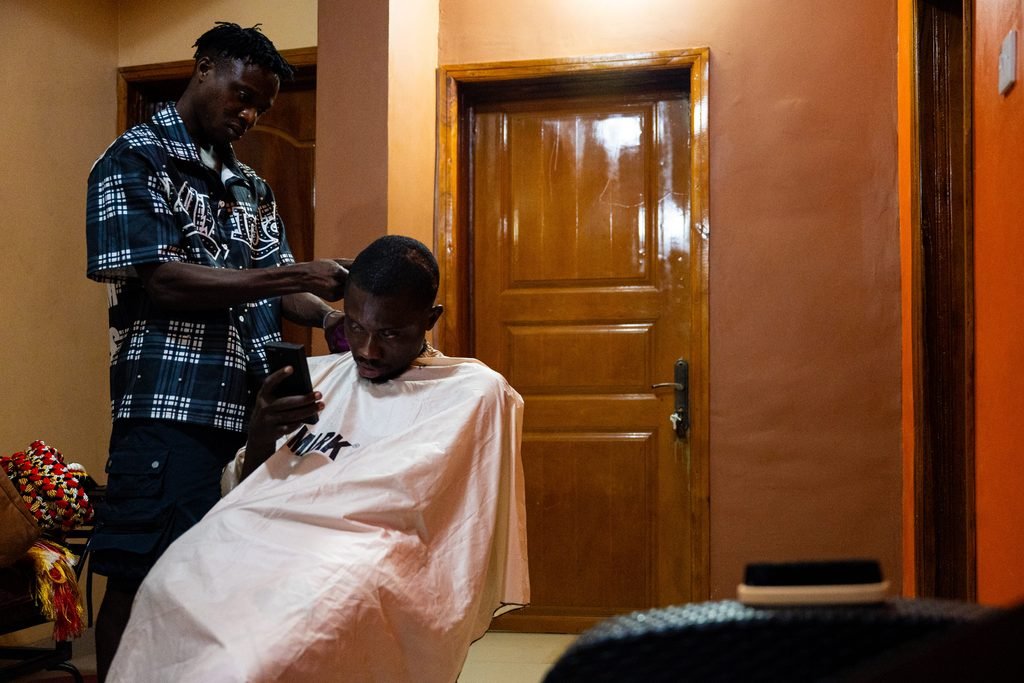
That question became the starting point for how I approached the festival. I wasn’t interested in simply photographing Ojude Oba as it presented itself to everyone, I wanted to look underneath it to find the story in the ordinary moments that happened before the grand ones; the preparation, the waiting, the movement, the people working quietly in the background, and those seemingly “unimportant” and less glamorous moments. I was looking for the grit before the glamour.
Looking beyond the obvious
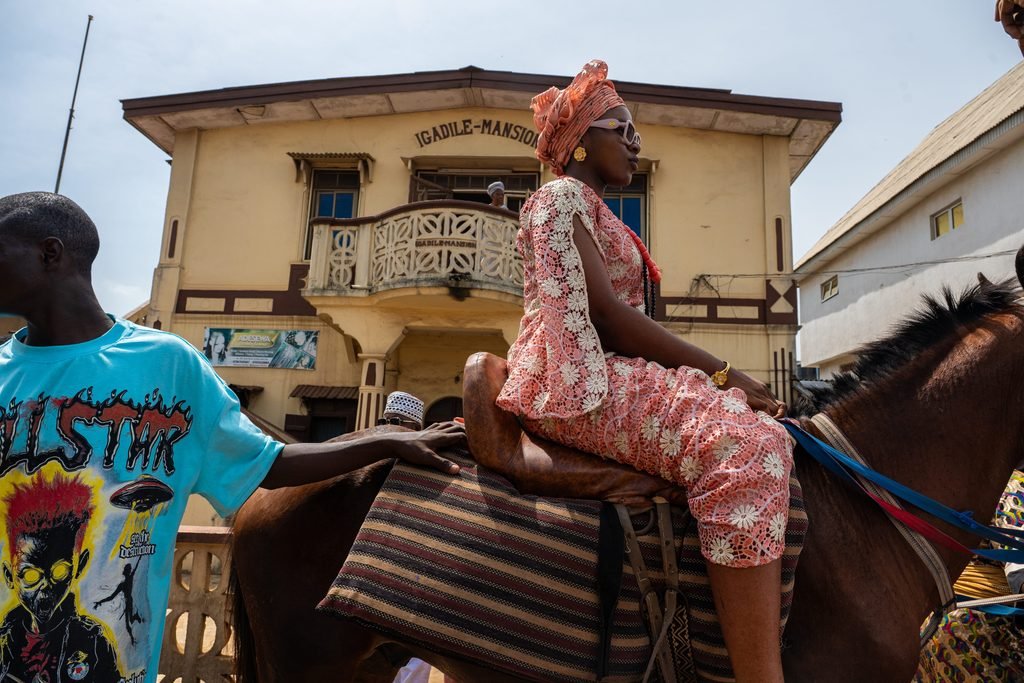
The Ojude Oba is visually generous and there is no shortage of things to photograph. The festival brings together colour, fashion, horses, music, heritage, performance and an extraordinary display of identity. The riders and their horses arrive dressed for the occasion, not to talk of the regberegbe and other High Networth Individuals, Nollywood stars, top government officials who come with statement headgears, accessories, fashion pieces and the entire festival becomes a remarkable visual spectacle.
But that visual richness creates an interesting challenge for a photographer, and visual storyteller like myself because when everything is visually compelling, what do you choose to say? In the years leading up to my visit, I had seen many photographs from Ojude Oba. A lot of them understandably focused on the spectacle—the things happening at the forefront, the beautifully dressed riders, the horses, the elaborate regalia and the moments that naturally attract attention.
Those images showed me what Ojude Oba looked like, but I wanted to know what it felt like before all of that came together. I wanted to know what existed outside the frame of the main event.
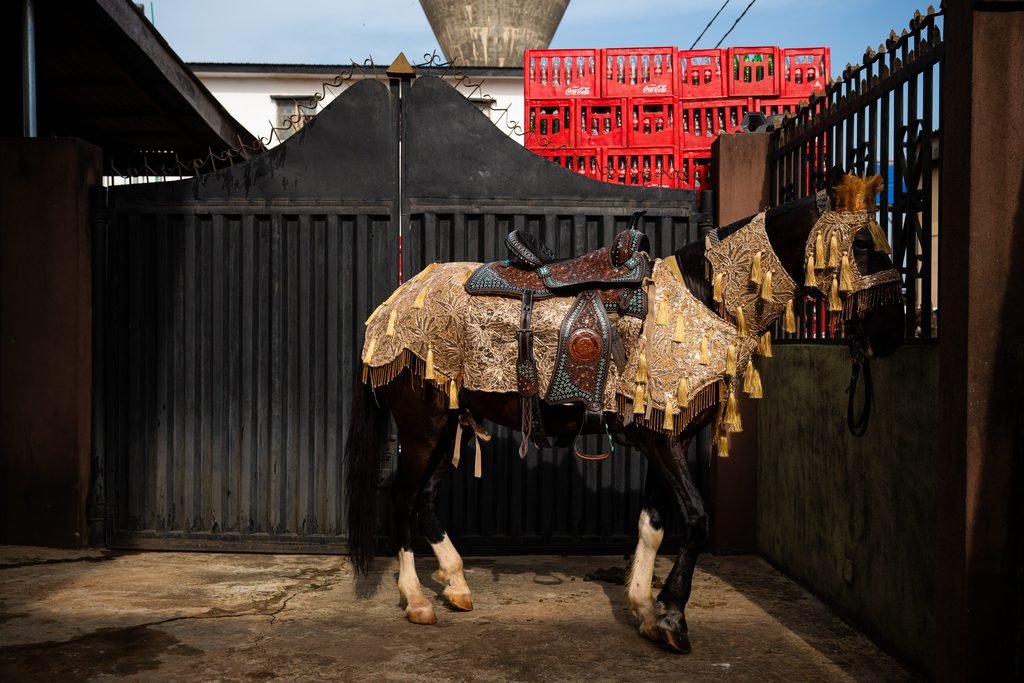
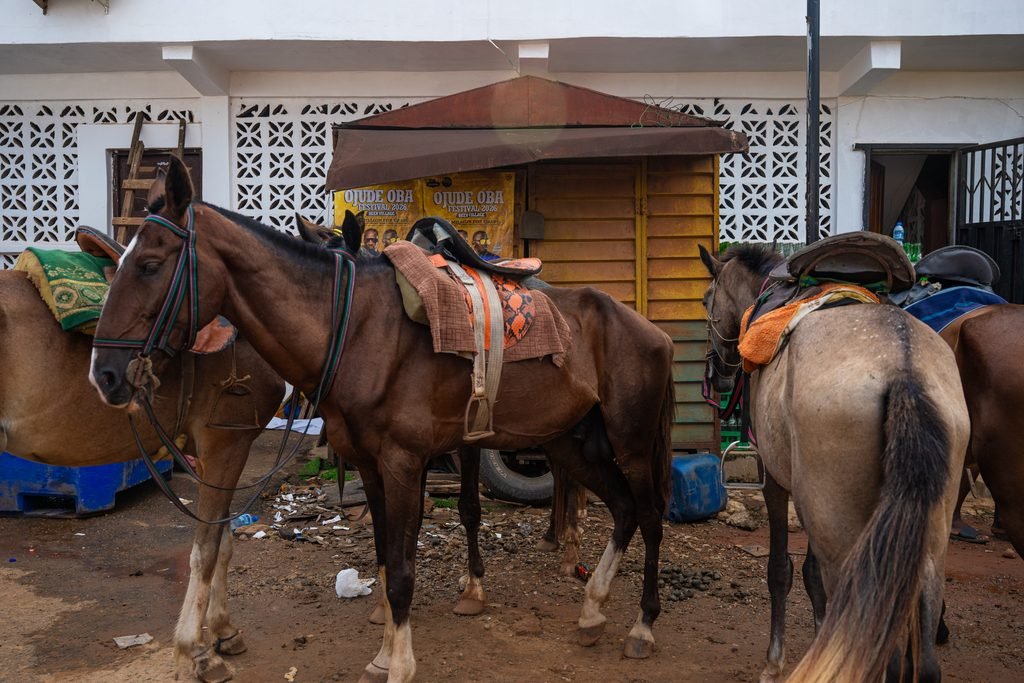
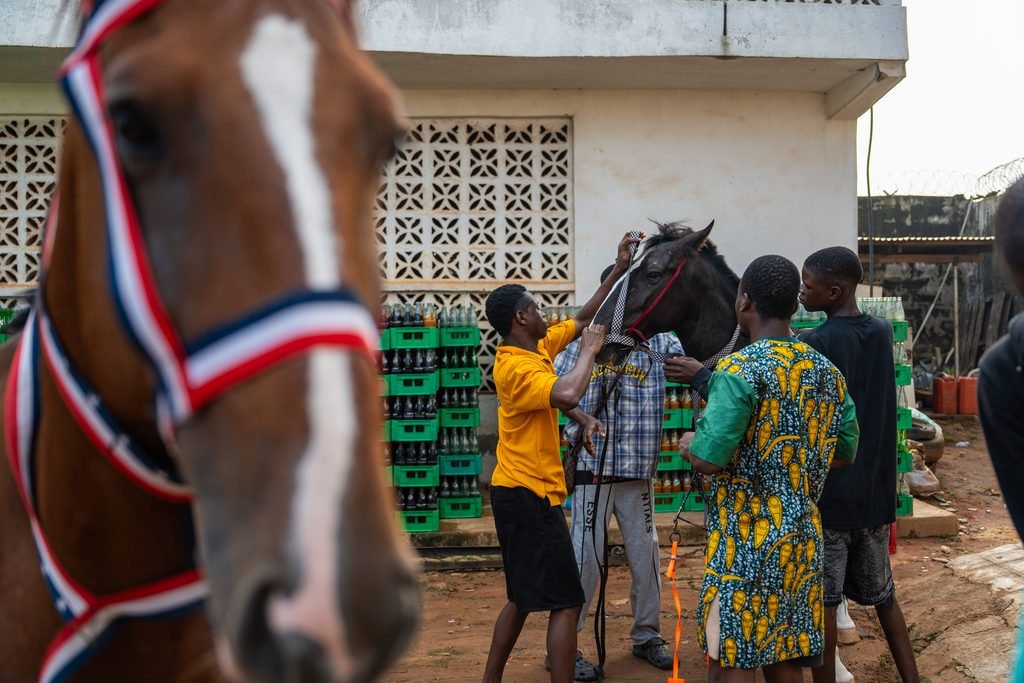
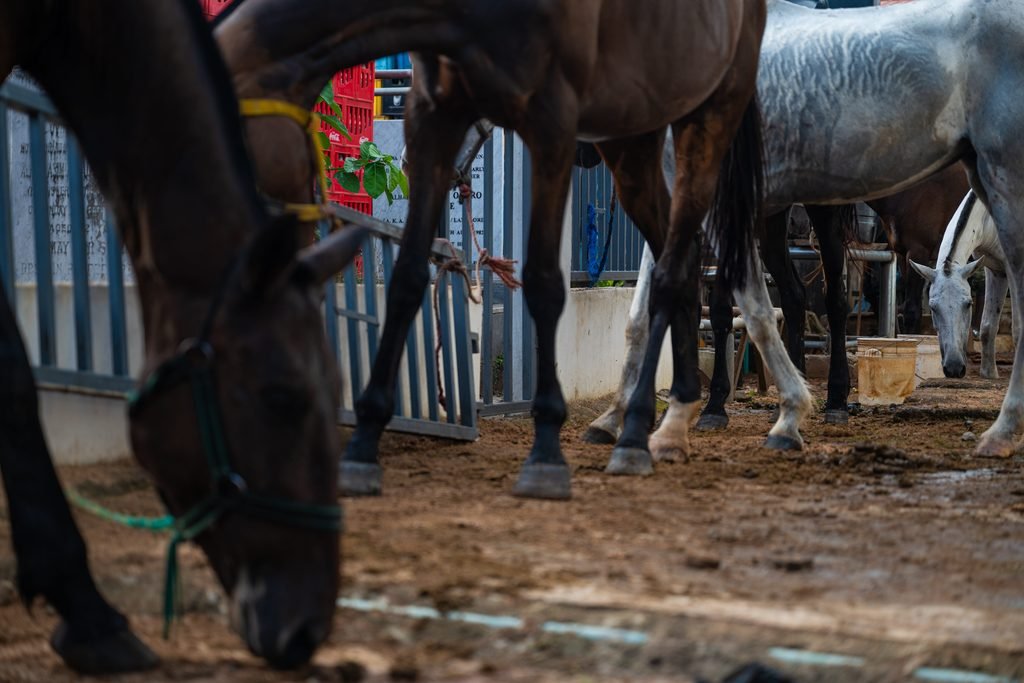
- What did the horses look like before they were presented?
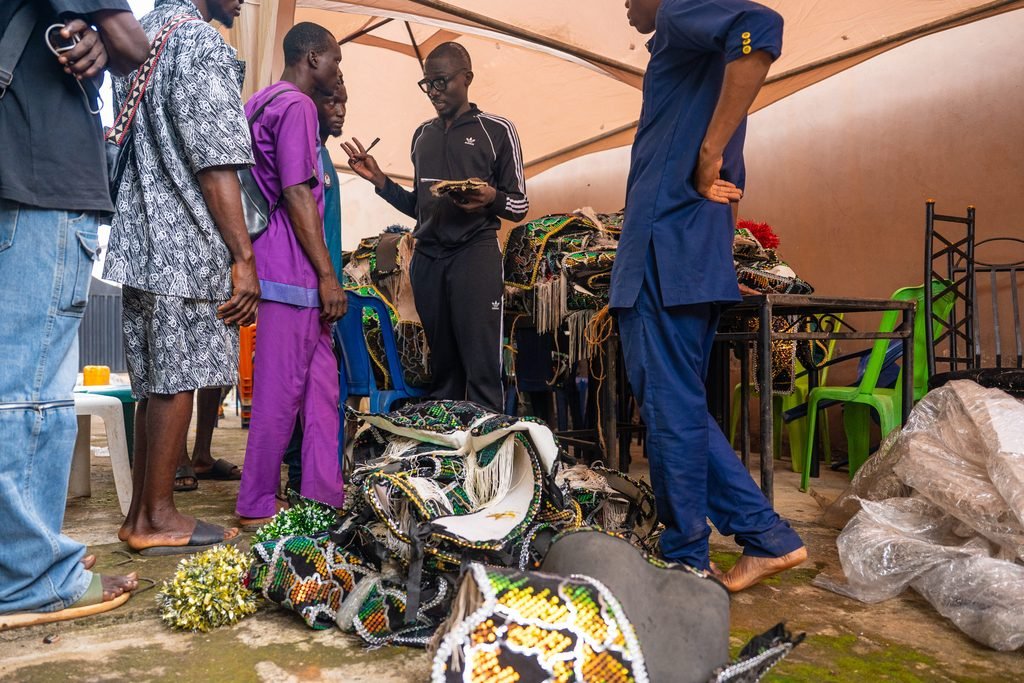
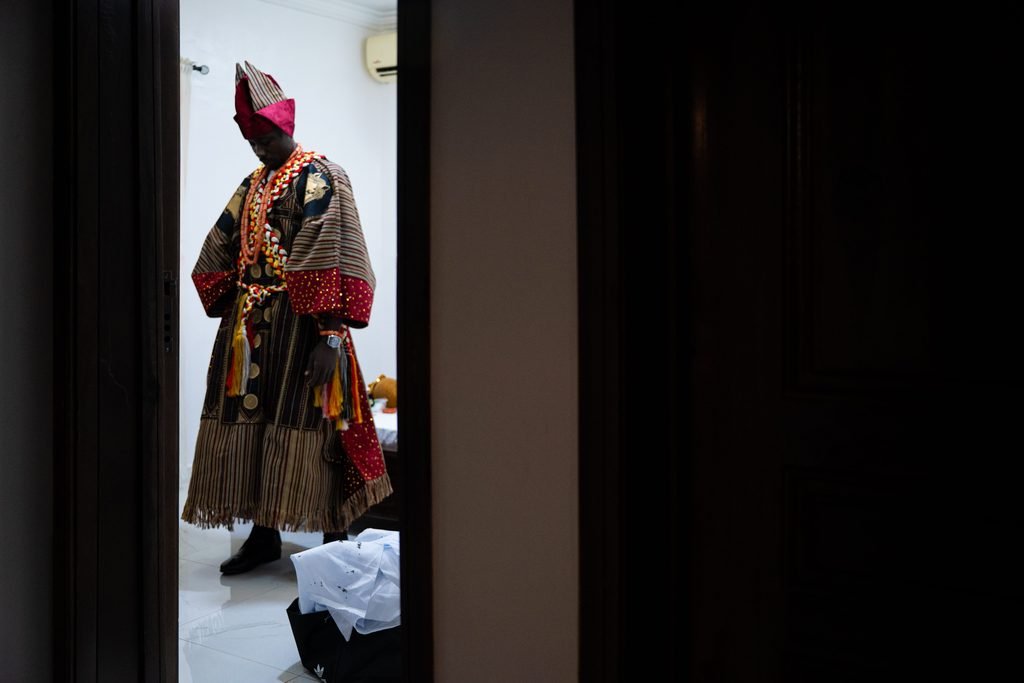
- What did the riders look like before they were dressed in their finest regalia?
- What does preparation look like when nobody is watching?
- What happens in the spaces between the moments that eventually become the photographs everyone remembers?
Those questions changed where I looked.
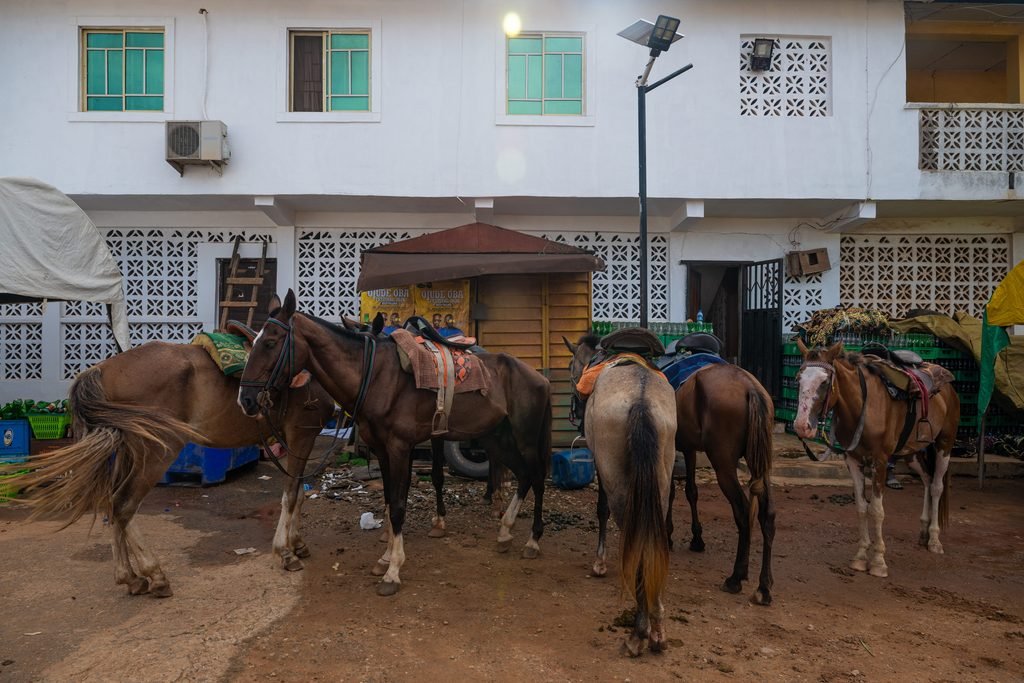
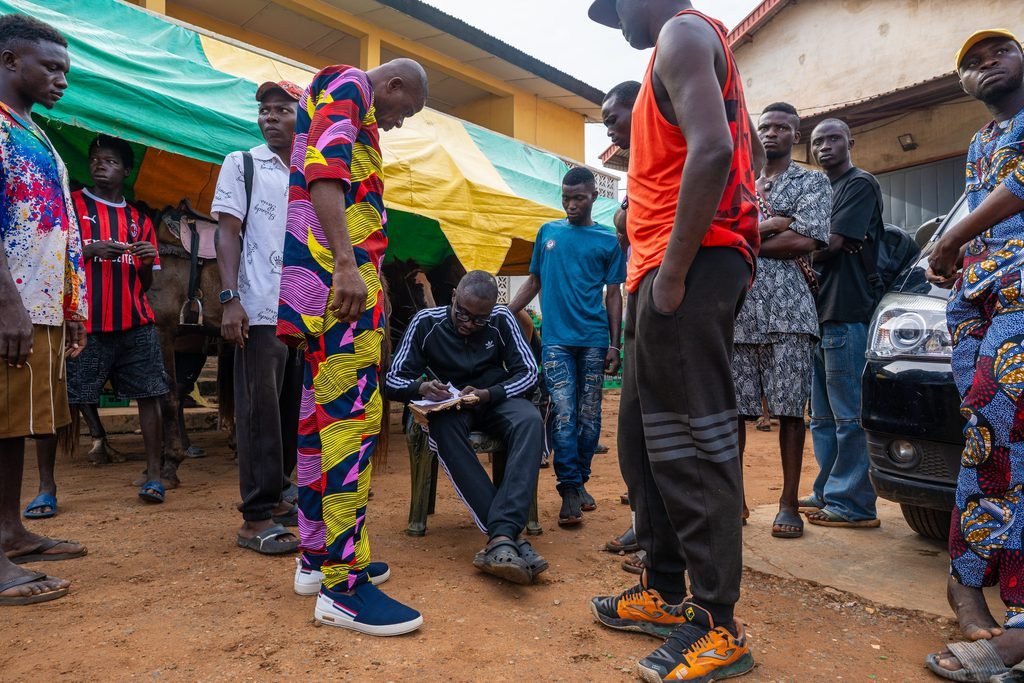
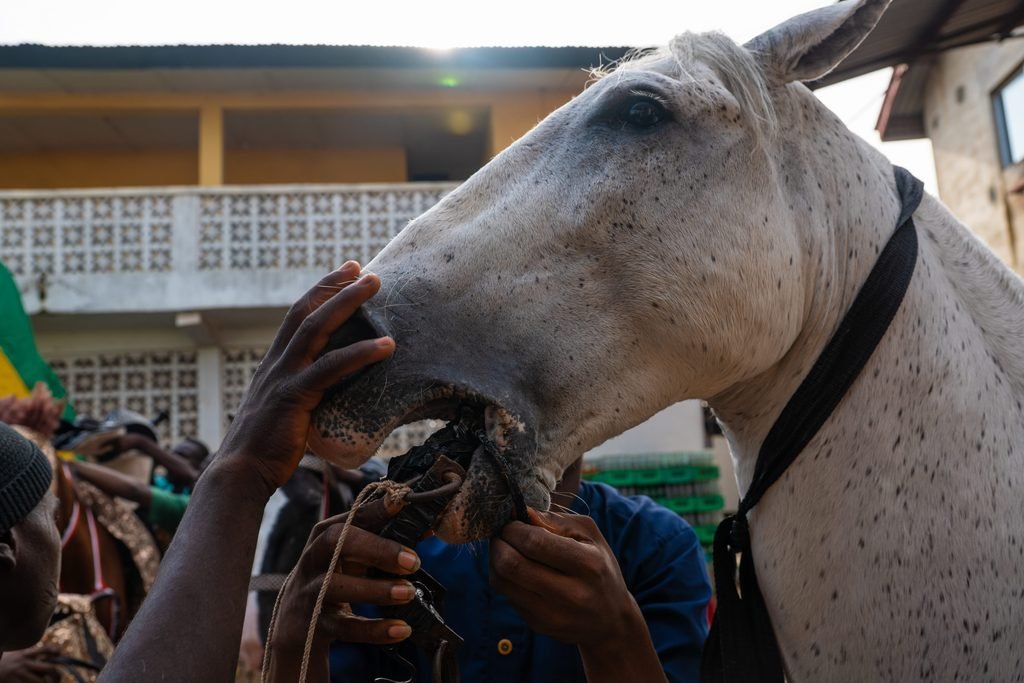
The story before the story
One of the things photography has taught me is that the moment we consider the moment is often only one small part of a much larger story. The image of a rider on a beautifully prepared horse is a moment, but there is a story before that moment because someone had to prepare the horse, someone had to get the rider ready, organise, clean, dress, wait and prepare both the riders and horses. There were quiet spaces before the noise, there was serious work before the spectacle and even uncertainty before the performance became polished. And the interesting thing was that, there were ordinary people doing ordinary things before they became part of an extraordinary cultural display. That was the story I wanted to pursue.
Not because the glamour wasn’t worth photographing, but because the glamour meant more when I understood what existed behind it.
The Grit before the Glamour
I kept returning to this idea of the grit before the glamour. It became a way of thinking about the festival, because we are often drawn to finished things, we celebrate the final performance, but rarely think about rehearsal. We admire the finished photograph but don’t always consider the process behind it. We see the beautifully dressed rider but don’t necessarily see the preparation that made that image possible.
The polished moment is easy to recognise, the work that precedes it requires a photographer to look harder; and sometimes, that is where the more meaningful photographs are. For me, this meant moving away from the places where I knew the photographs would happen and becoming more interested in the places where something was about to happen.
That distinction is important as a photographer doesn’t always have to wait for the peak of an event, sometimes the story is stronger just before it reaches its peak.
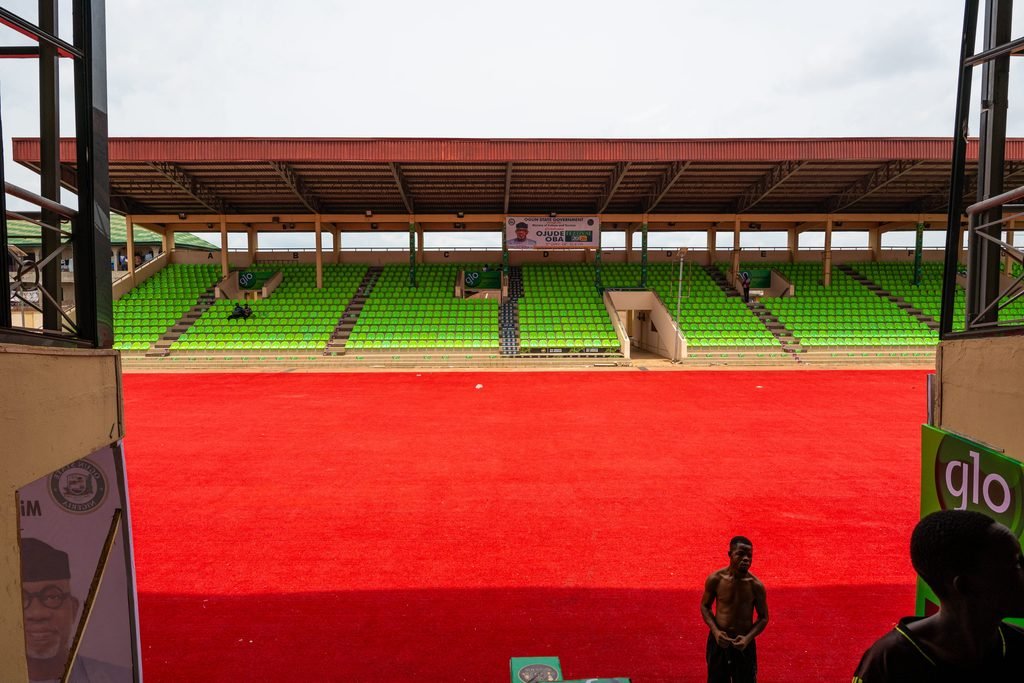
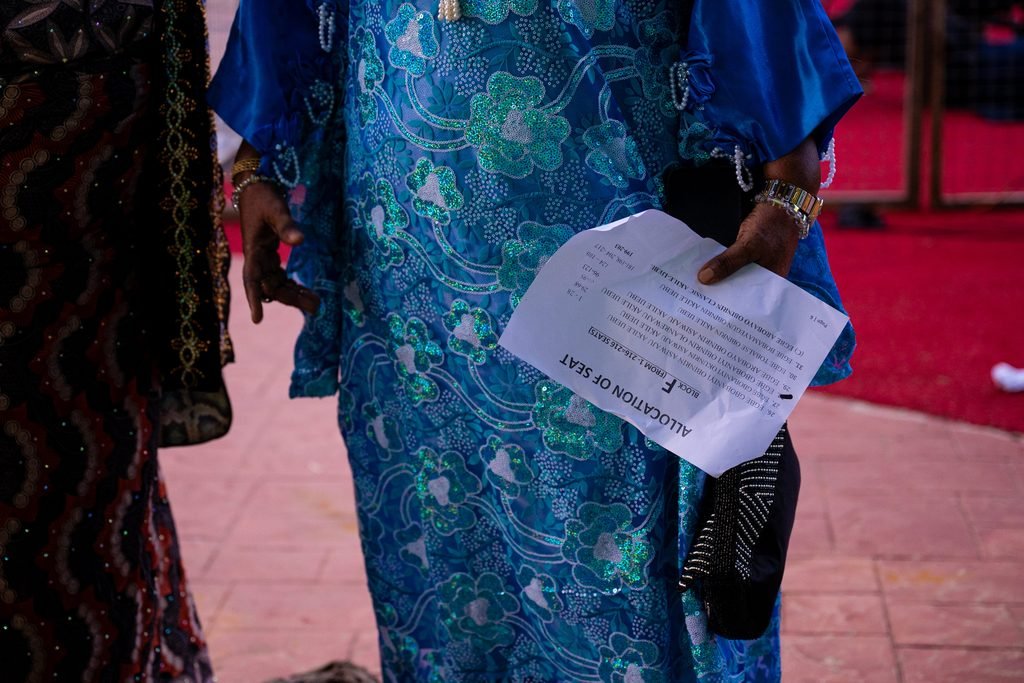
Context changes the photograph
The importance of context in photography; especially reportage style/documentary photography is highly important. Important because this is where photography becomes more than the act of finding beautiful moments; context gives a photograph weight. For instance, a horse in full regalia is visually striking, but seeing that same horse before the transformation creates another layer of understanding. A rider in full ceremonial clothing tells us about the festival, but seeing the preparation that happens before the rider appears tells us something about the labour, care and anticipation behind the festival.
The photographs begin to speak to each other. One image gives us the spectacle, another gives us the preparation, then another gives us the people who make the spectacle possible. Putting all these various pieces of information together, they become much more than individual photographs; they become a story – and this is one of the biggest differences between making photographs and building a visual narrative.
A single photograph can capture a moment but a collection of photographs can create depth and meaning.
The photographer’s job is not always to find the extraordinary
There is a strange pressure in photography, and maybe in the current generation to constantly search for extraordinary moments, you know those moments that would go viral. We look for the perfect light, the perfect expression, the spectacular gesture, the single image that will stop someone mid-scroll or in popular saying; “the money shot”.
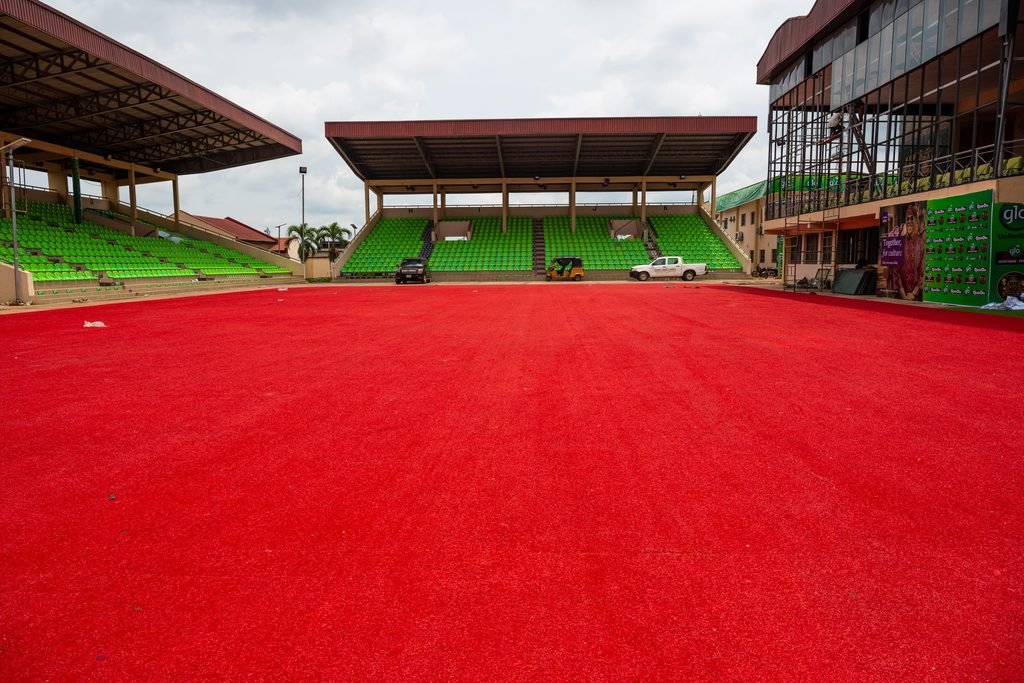
But sometimes the more powerful decision is to photograph what everyone else has decided isn’t important enough to photograph. Imagine a person cleaning saddles or a horse resting, a hand adjusting something, someone having a haircut, an empty space before the crowd arrives, a tired face after the excitement has passed; these moments may not immediately announce themselves as important and that is precisely why they require attention. The photographer’s role, in these situations, is not simply to recognise what is already visually obvious, it is to assign attention to what might otherwise be overlooked. That is where observation becomes storytelling.
This is ultimately what I was trying to do at Ojude Oba. I wasn’t trying to photograph something nobody had ever photographed before, that would be almost impossible at an event with such a rich photographic history; I was trying to look at something familiar differently. Originality in photography does not always come from finding a completely new subject, sometimes it comes from asking a different question about a familiar one and that distinction matters.
- What happens if I move away from the centre?
- What happens if I photograph the preparation instead of the performance?
- What happens if I pay attention to the people who aren’t in the spotlight?
- What happens if I look for the quiet moments inside a loud event?
Those questions can completely change the way we photograph something, and sometimes, they reveal that the story we thought we were looking for was only the surface.
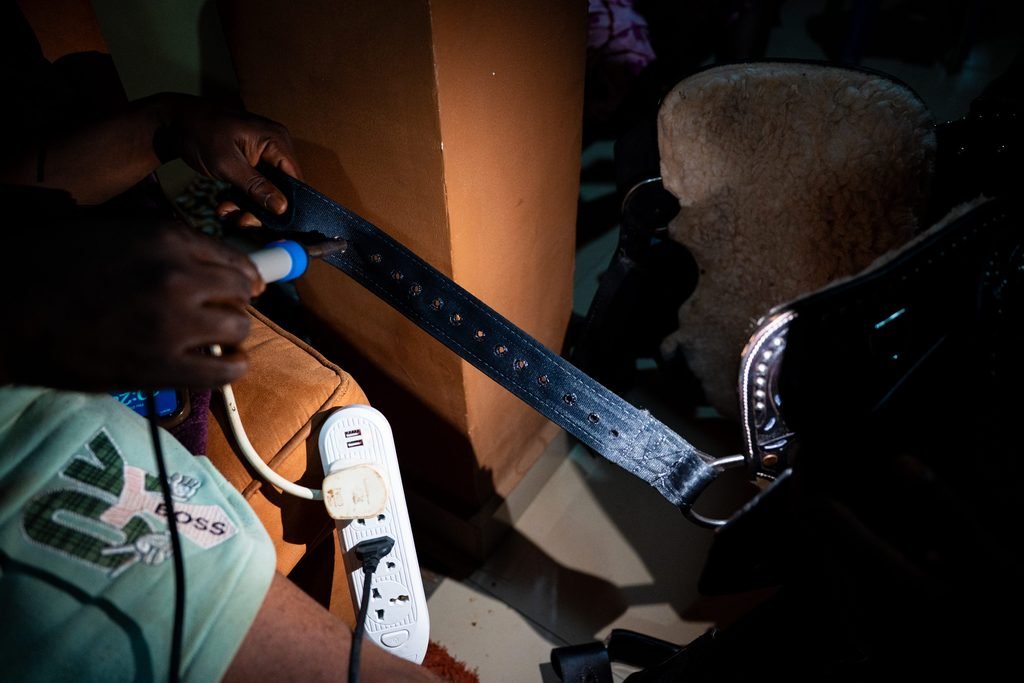
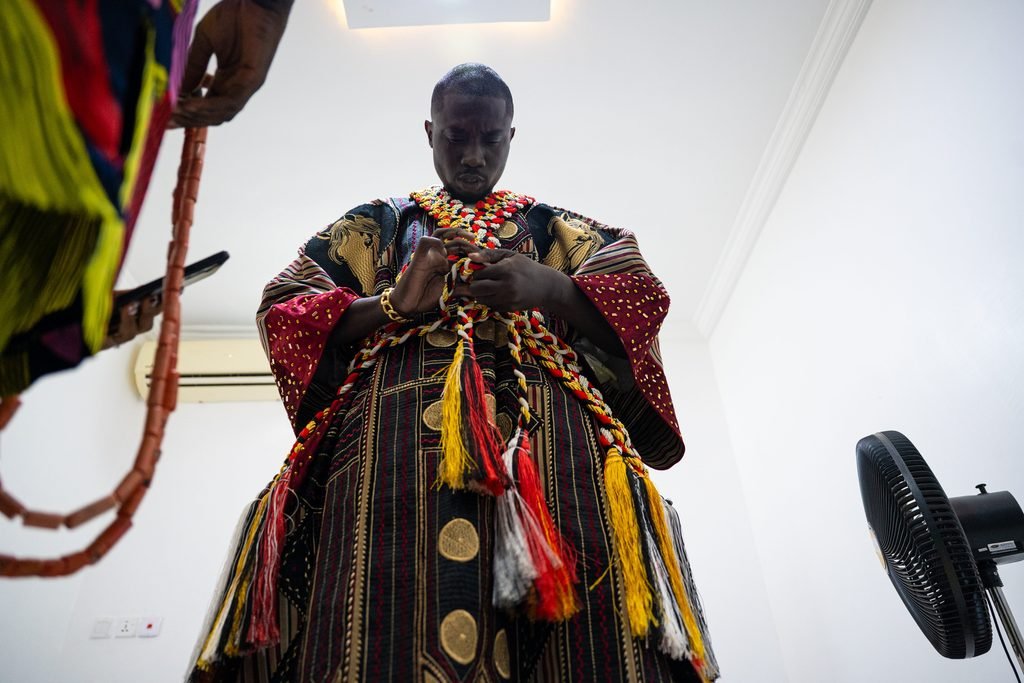
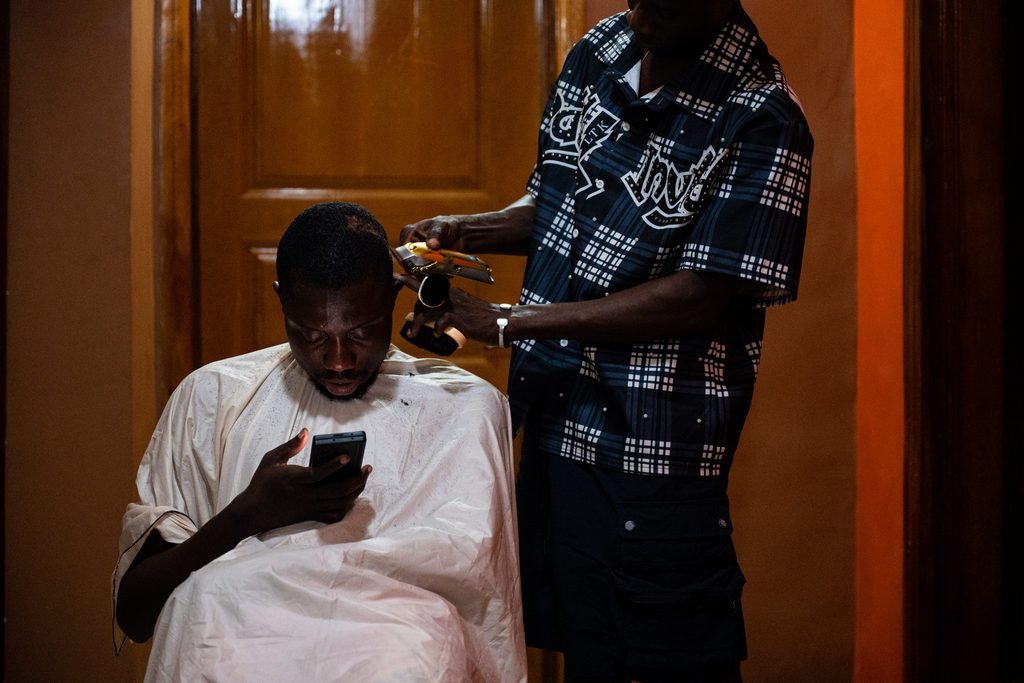
Why this matters beyond Ojude Oba
The lesson extends far beyond one festival. It applies to weddings, corporate events, fashion productions, religious gatherings, concerts, political campaigns, documentary projects and even portrait sessions. There is always the obvious story and the story underneath it.
The obvious story is usually easier to find, it is happening in front of everyone but the deeper story often requires patience. It requires moving around, observation, conversations and being willing to photograph things that don’t immediately look important. But most importantly, it requires knowing what you are looking for, because powerful visual storytelling doesn’t begin when you press the shutter it begins when you decide what story you want to understand.
The photograph is only the beginning
I went to Ojude Oba wanting to experience the festival and tell a story from an angle I hadn’t seen enough of and I left thinking about something much broader. I really believe the responsibility of a photographer isn’t always to show people what they already know, sometimes it is to show them what they have been too busy looking past.
The glamour deserves to be photographed, the colour deserves to be photographed, the spectacle deserves to be photographed; but so does everything that makes that spectacle possible because behind every polished moment, there is usually a less polished one. Behind the performance, there is preparation; behind the beauty, there is work; behind the celebration, there is history and behind the photograph, there is a photographer making a series of choices about what deserves to be seen – and that is where a moment begins to become a story.