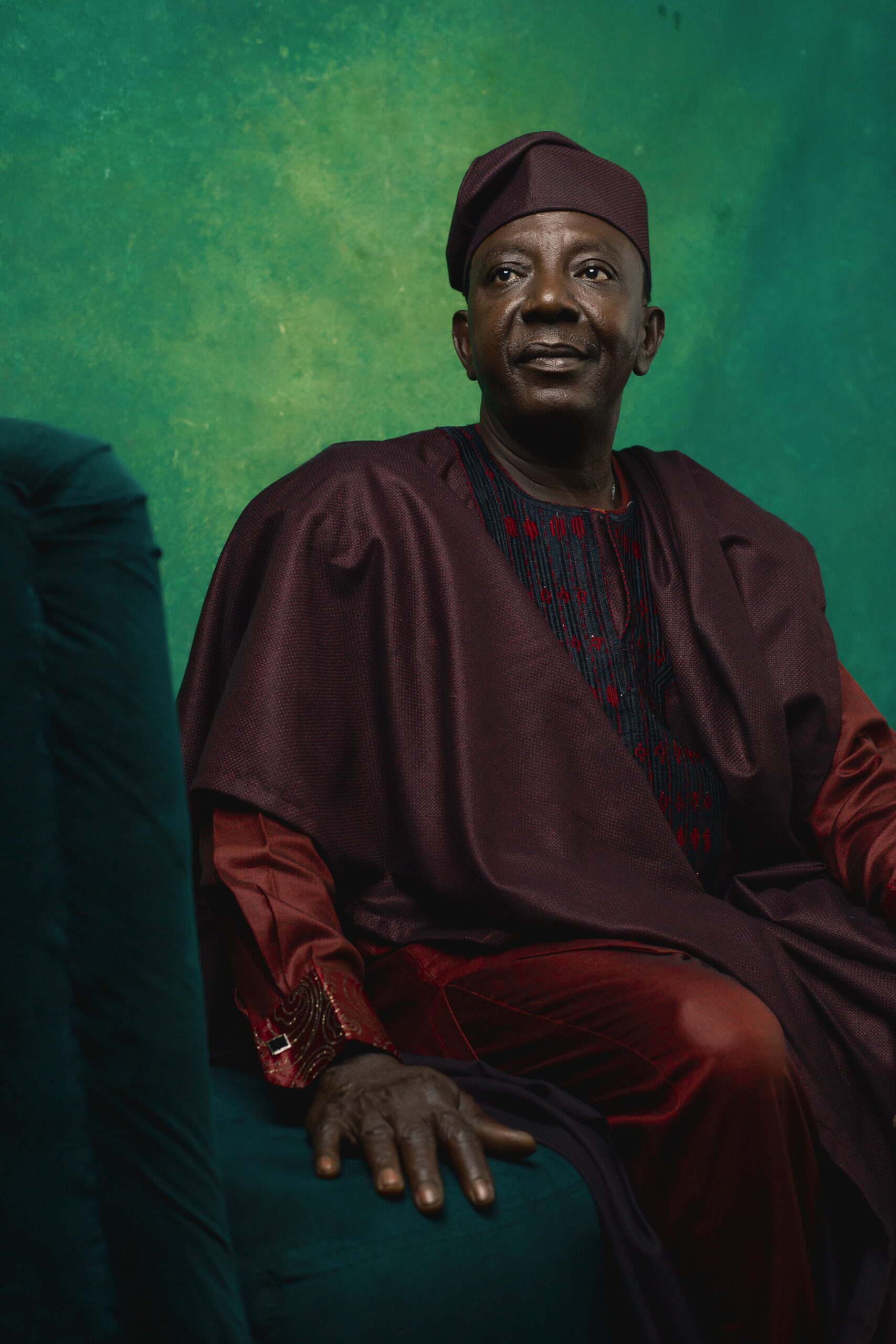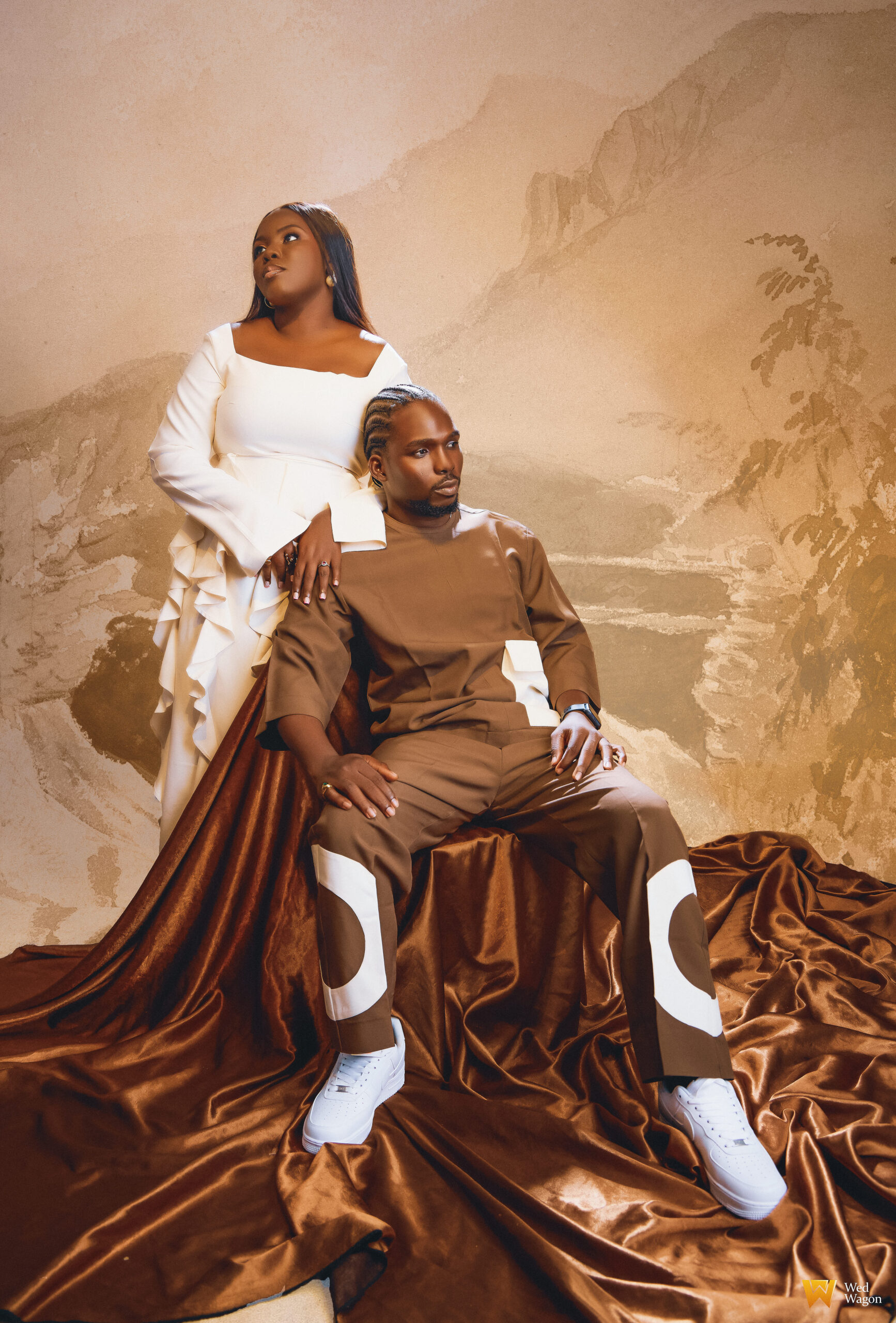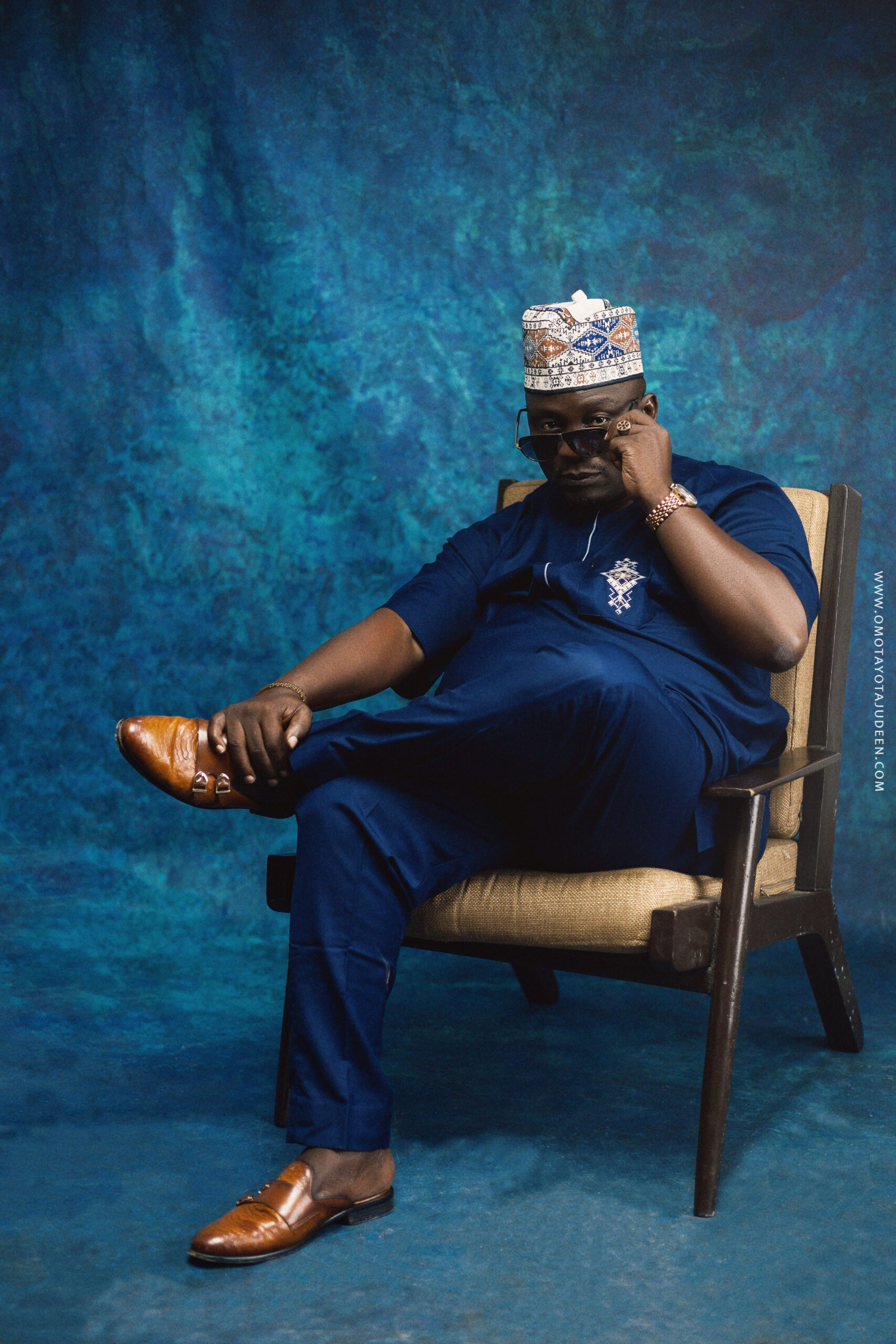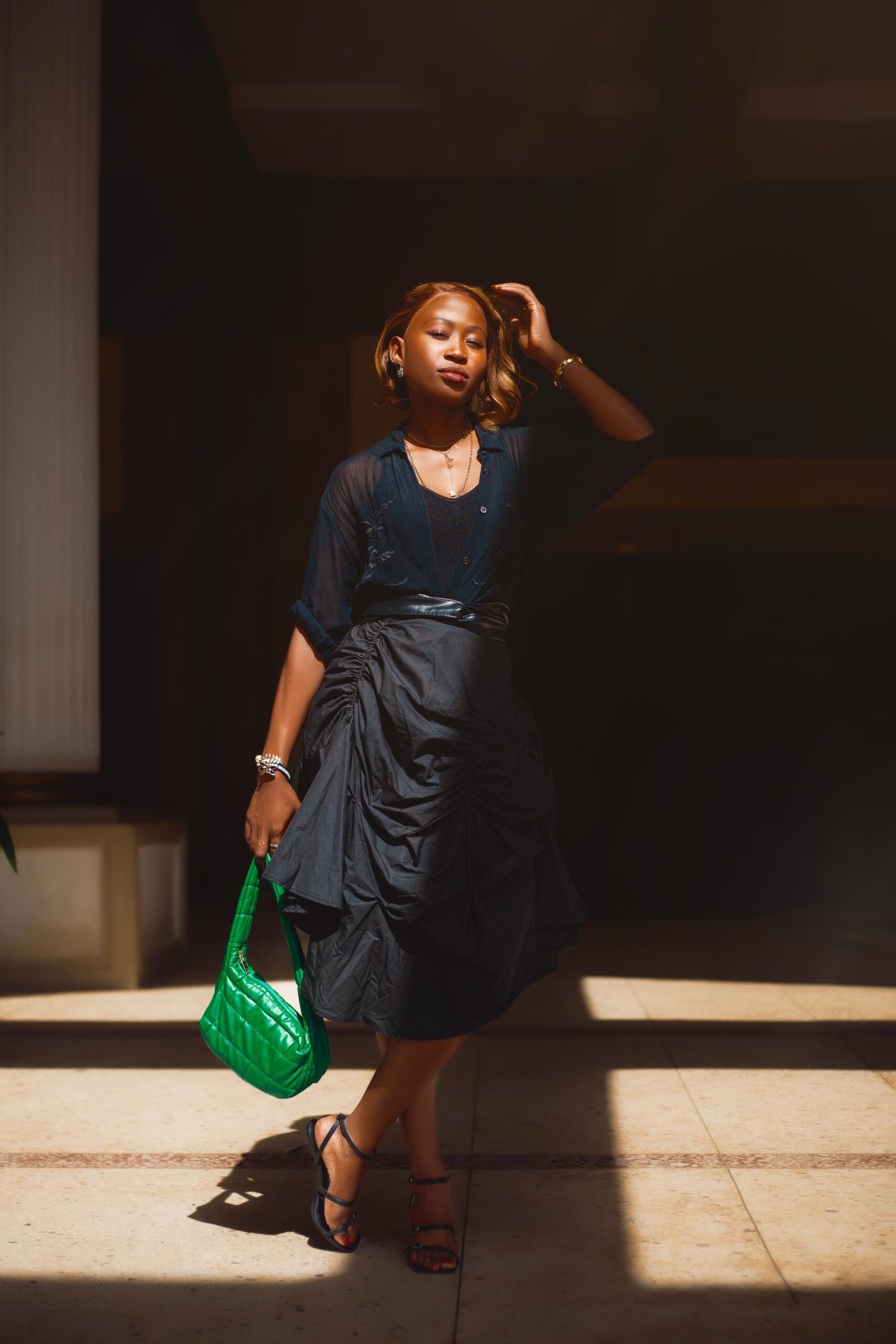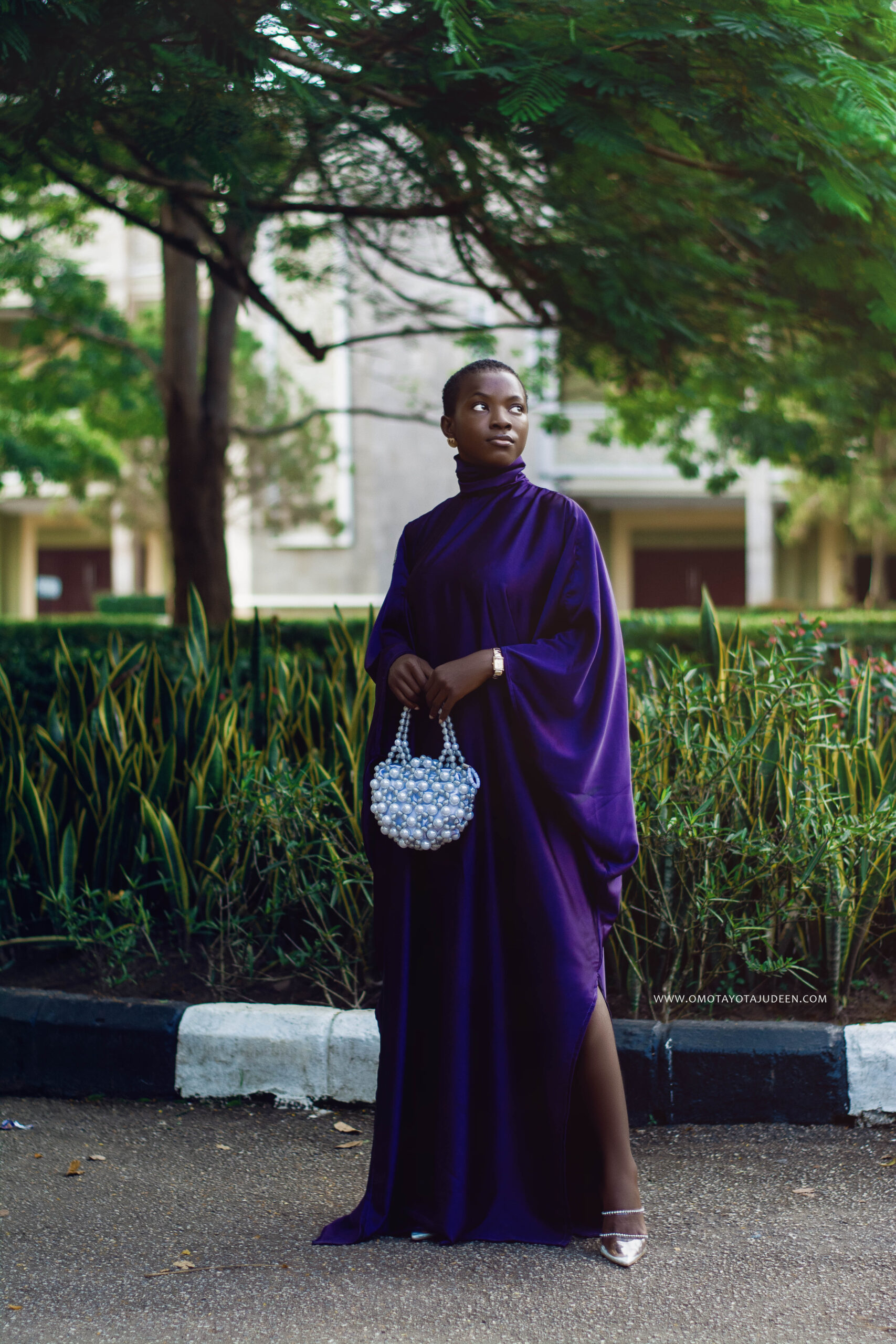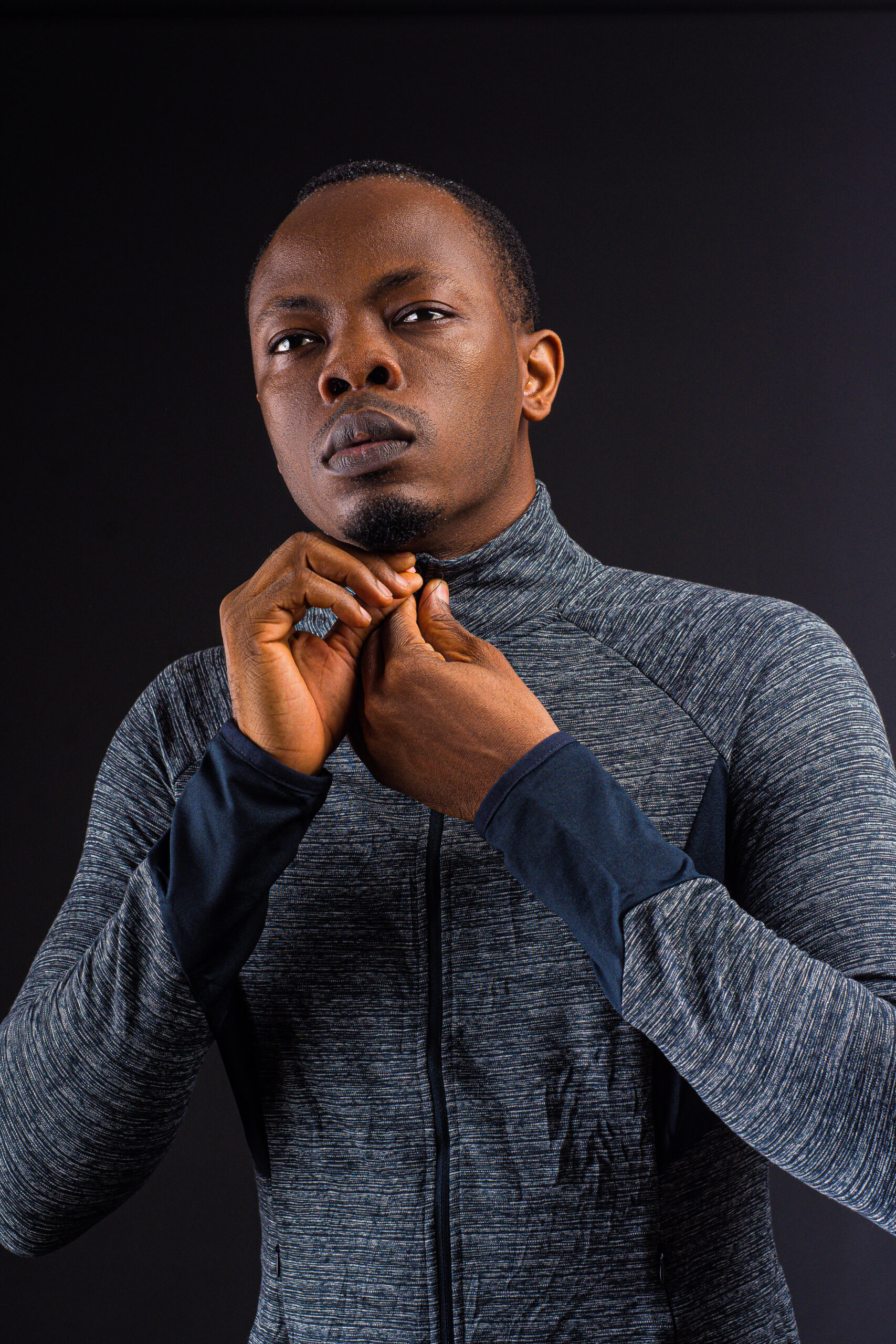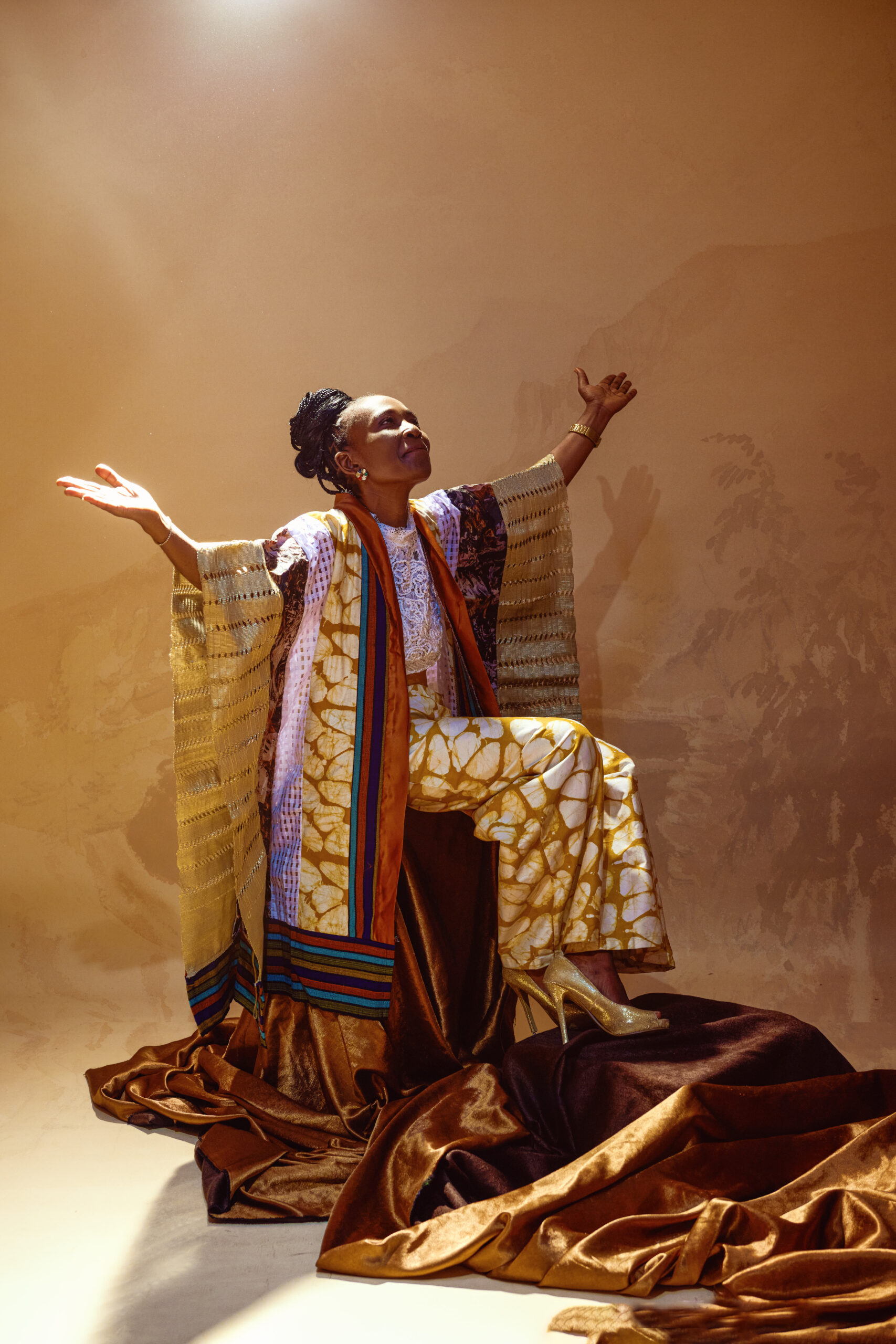
Most of the work I do happens long before the camera comes out of the bag and by the time I arrive on set, I already have a sense of what I’m looking for — not in terms of poses or shots, but in terms of feeling, intention, and story. Preparation, for me, isn’t about controlling the outcome. It’s about creating the conditions for something honest to happen.
1. Understanding the Why
Before anything else, I ask questions. Questions that help guide various subtle, conscious and subconscious decisions. From colour palette, to song choices and session time.
Why are these images being made?
What do they need to communicate?
Where will they live? Is it for a website, an archive, a family album, a campaign, a memory?
This step shapes everything that follows. A portrait meant for LinkedIn is approached differently from one meant to mark a personal season of life. A wedding documented for legacy feels different from one shot purely for spectacle. When the why is clear, decisions become quieter and more confident.
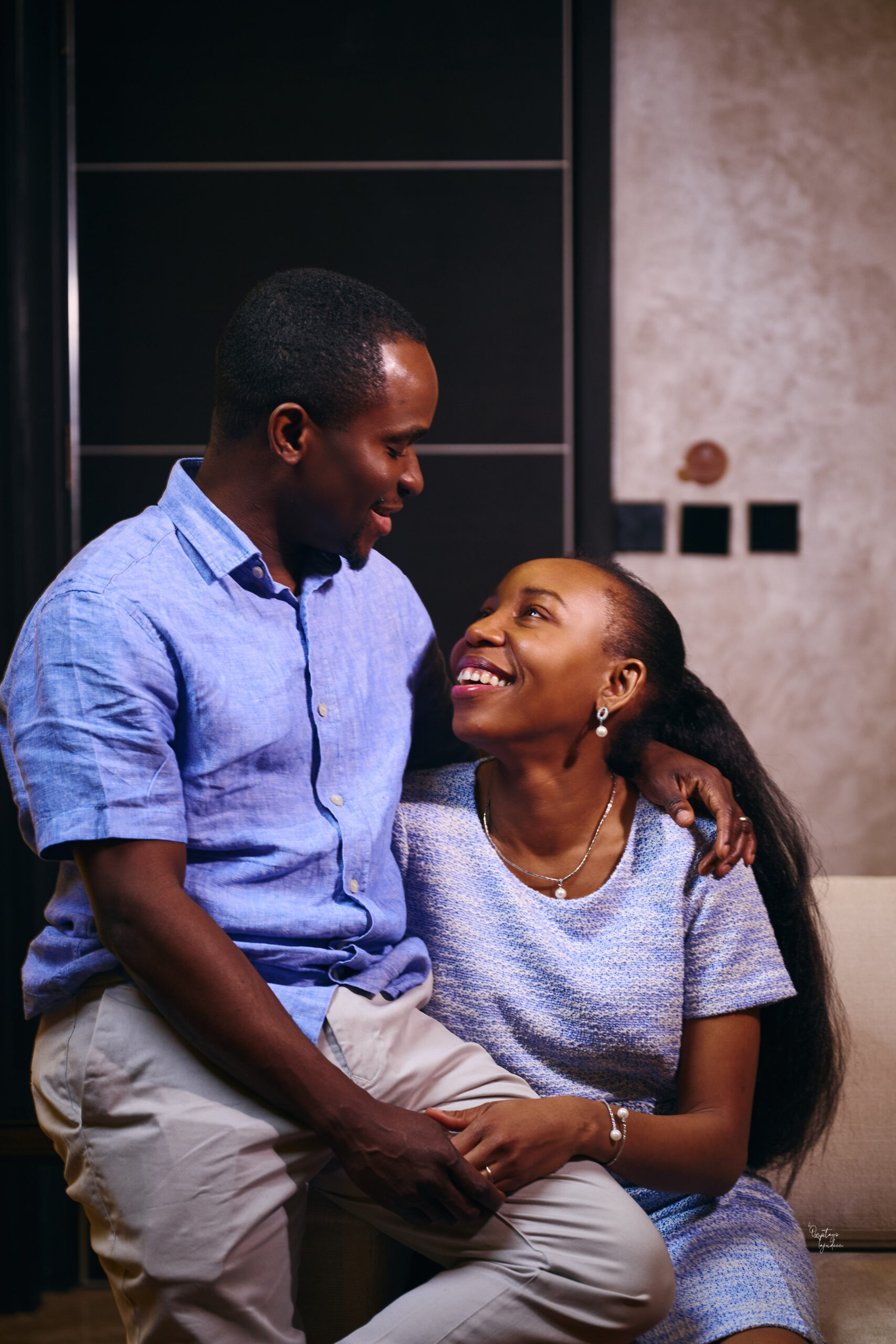
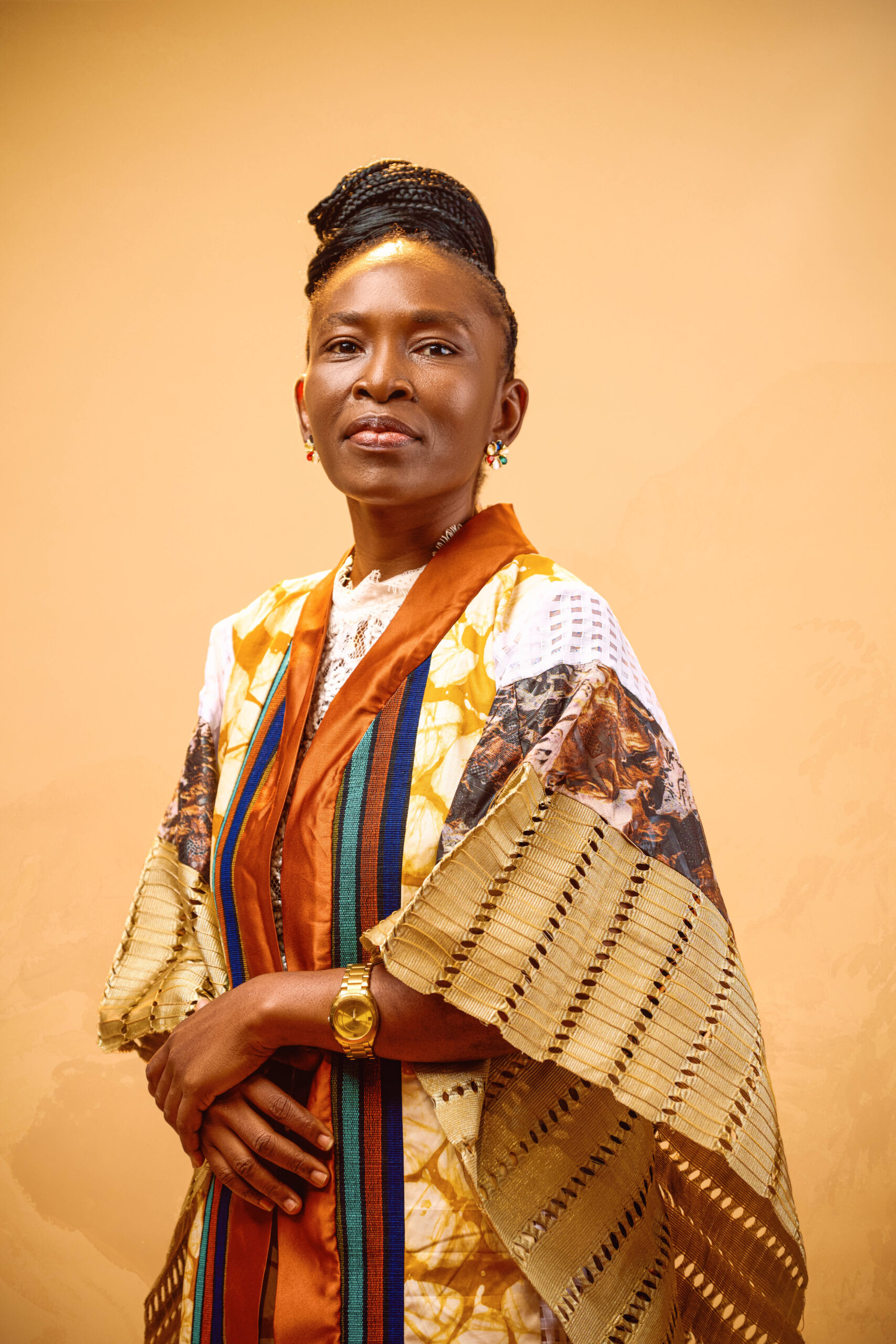
2. Observing Context
I spend time thinking about context.
Who is being photographed?
What environment are they most themselves in?
What cultural, emotional, or situational layers exist around this moment or person?
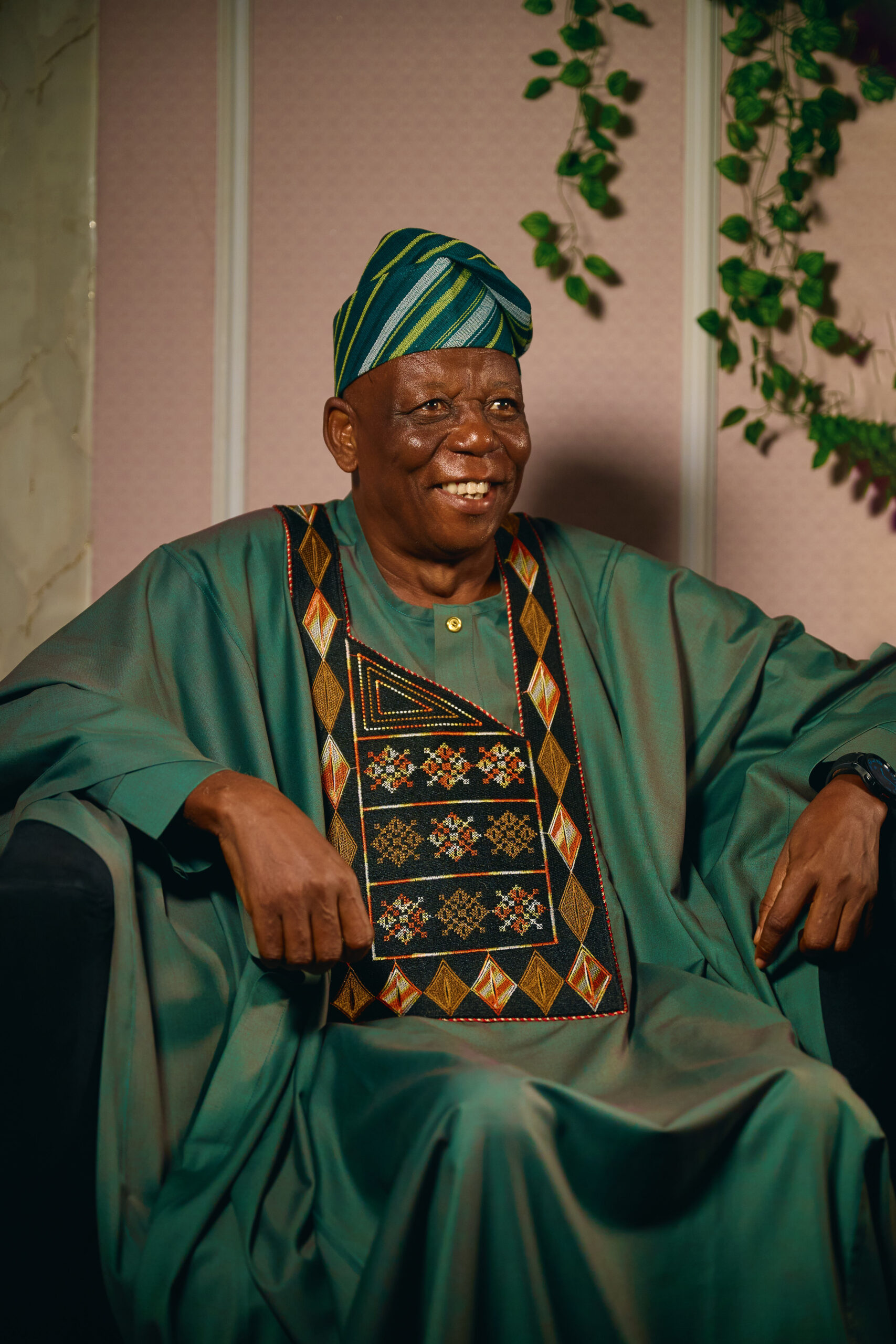
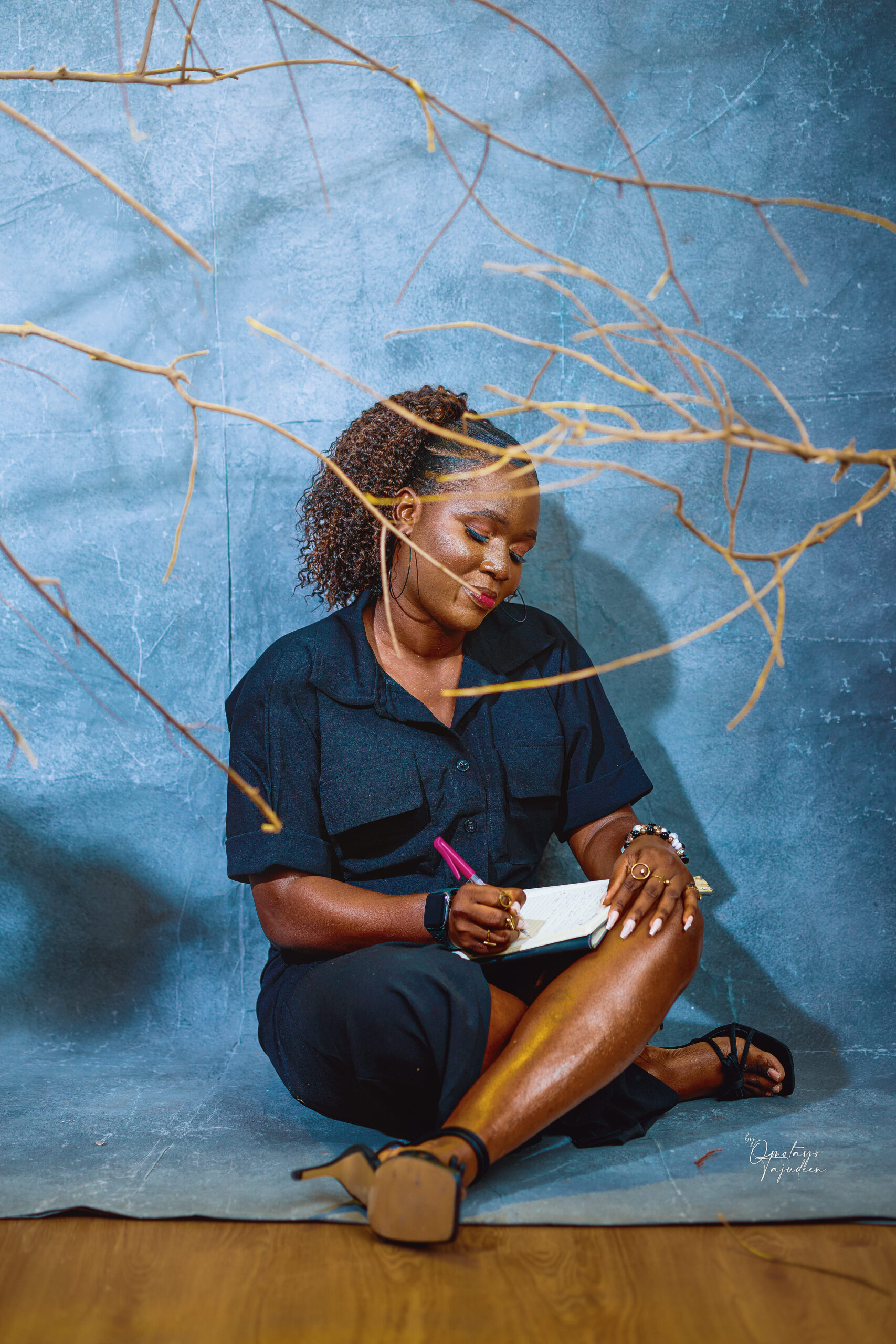
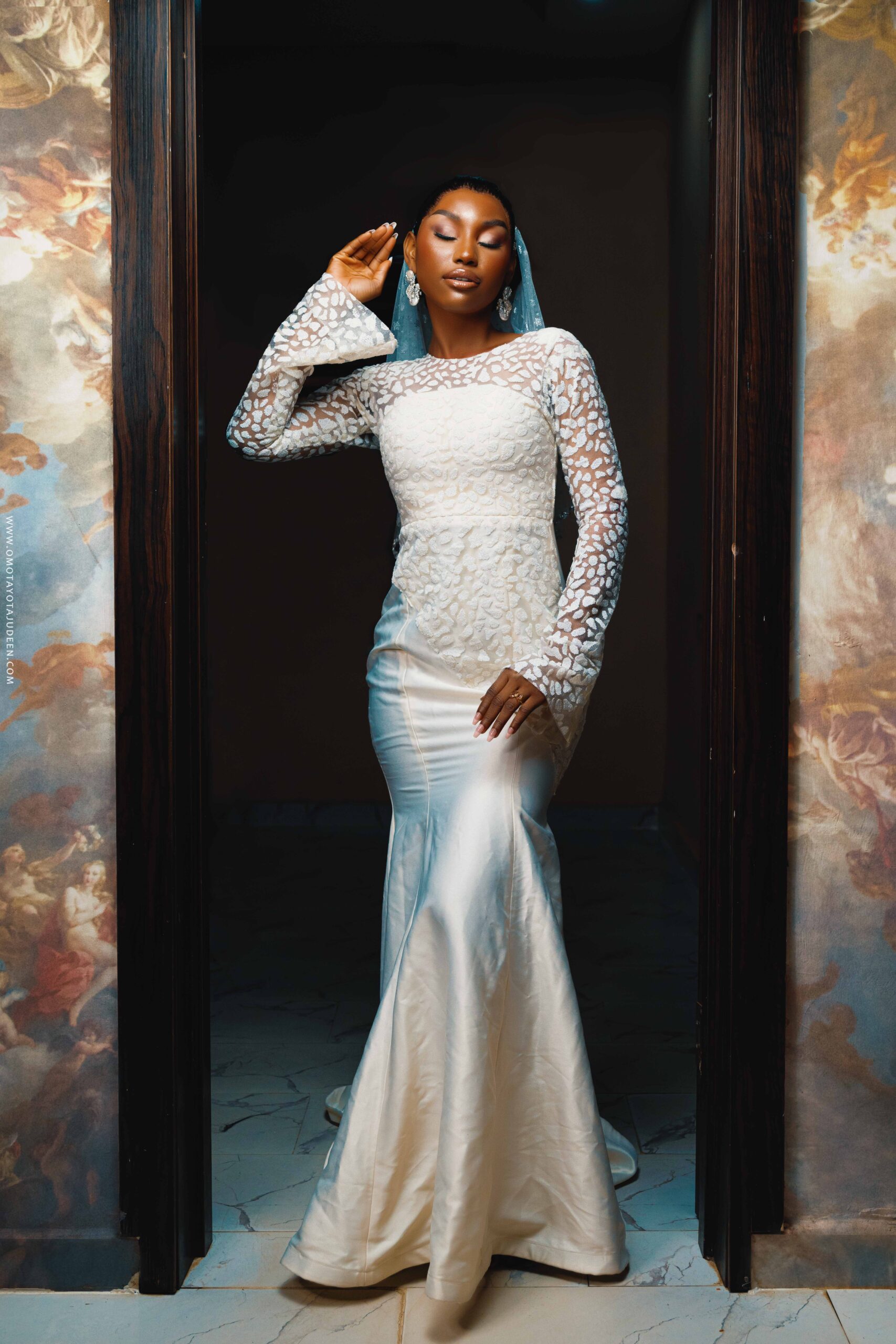
For brand and documentary work, this might involve understanding the industry, the space, or the rhythm of the people involved. For portraits, it’s about personality, energy, and comfort; asking questions like what songs ministers to you the most in this season? what elements brings back the most intriguing memories. For weddings, it’s about relationships; who matters to whom, and how that shows up naturally. Context gives images depth. Without it, photographs remain surface-level.
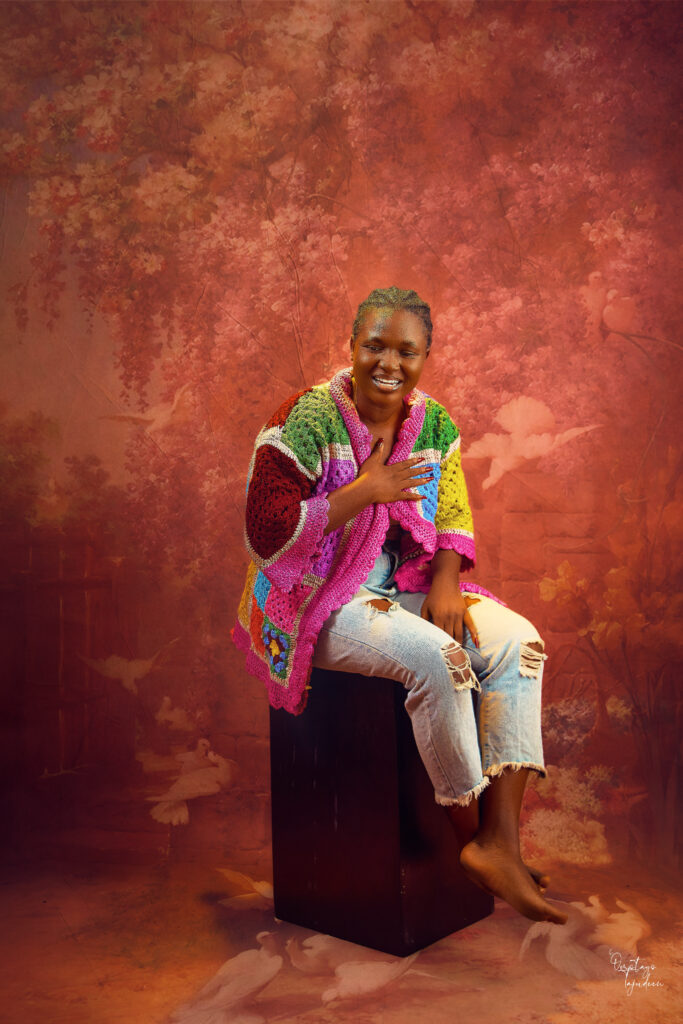
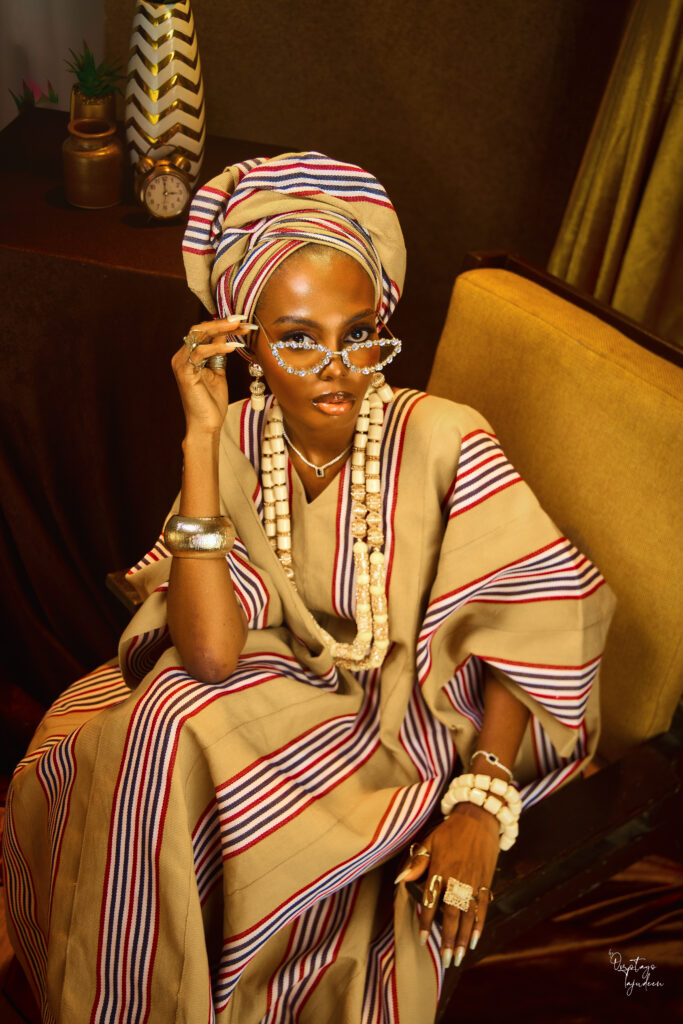
3. Visualising Mood, Not Shots
I rarely plan exact frames; instead, I think in terms of:
- light
- mood
- movement
- emotions
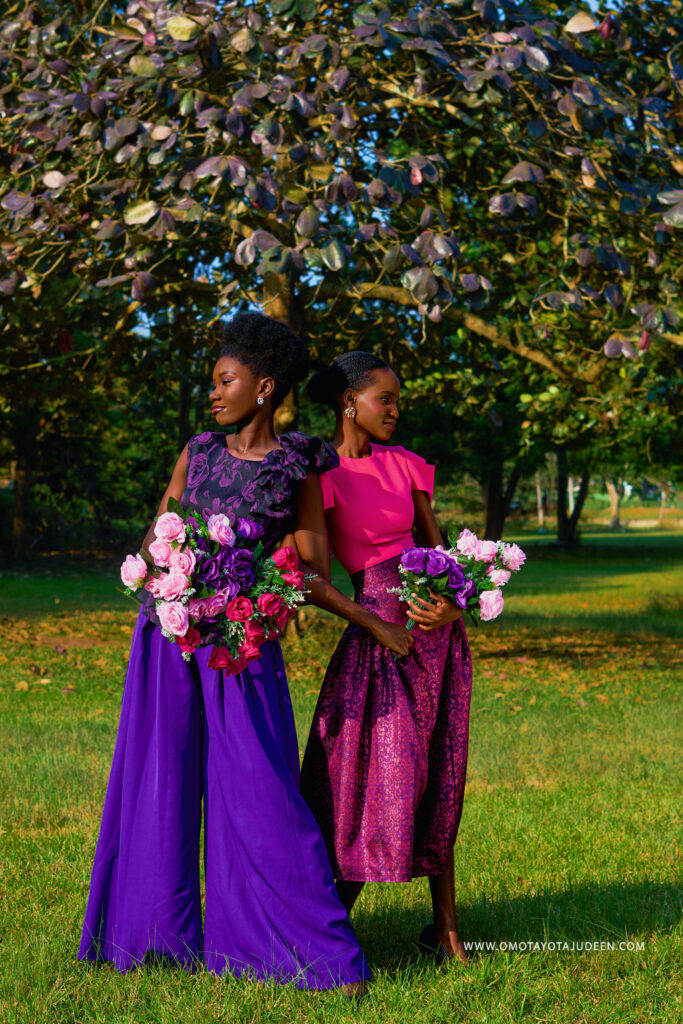
I imagine how the images should feel, not just how they should look. Calm or energetic. Intimate or expansive. Soft or direct. This allows me to respond intuitively on the day on set, rather than forcing moments into a rigid plan. Photography, for me, is as much about noticing as it is about creating. It’s about paying attention and catching those fleeting, in-between moments that cannot be repeated but like a shooting star, cannot be mistaken if caught.
4. Removing Pressure
Preparation is also about removing unnecessary pressure on the day of the shoot; especially for the people in front of the camera. I make sure to think about how to make the process feel human:
- Where can we slow down?
- What can be simplified?
- How do we create ease?
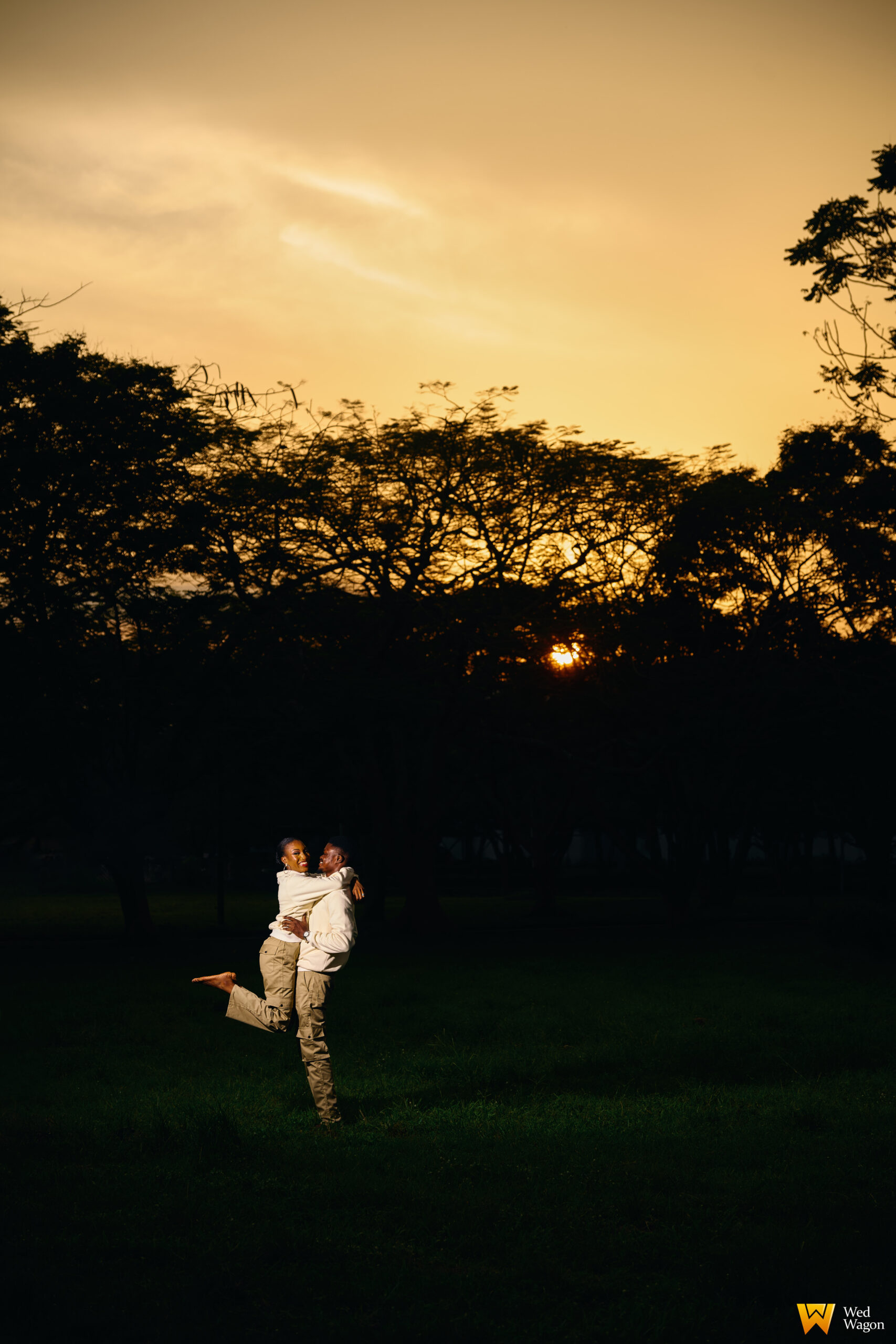
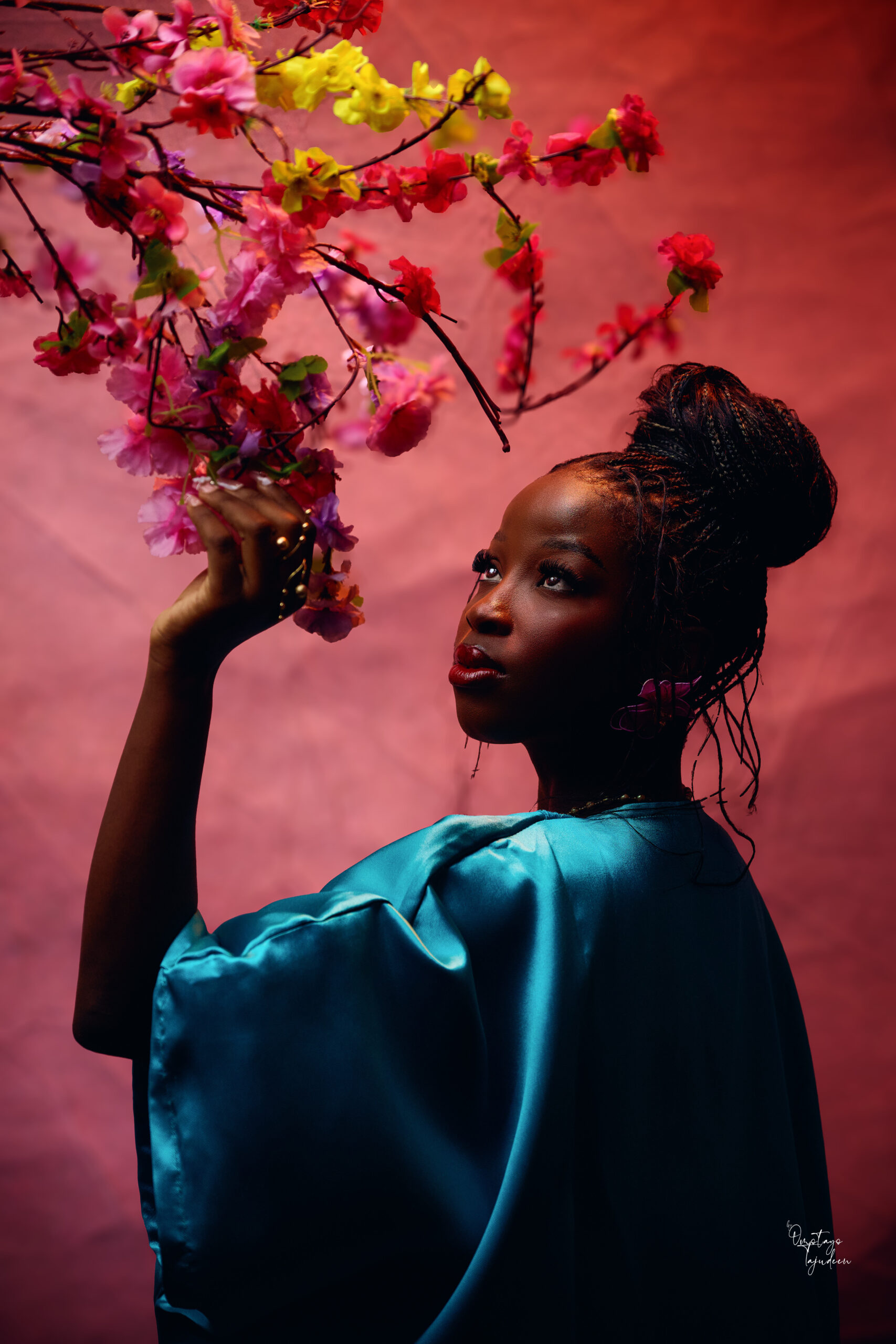
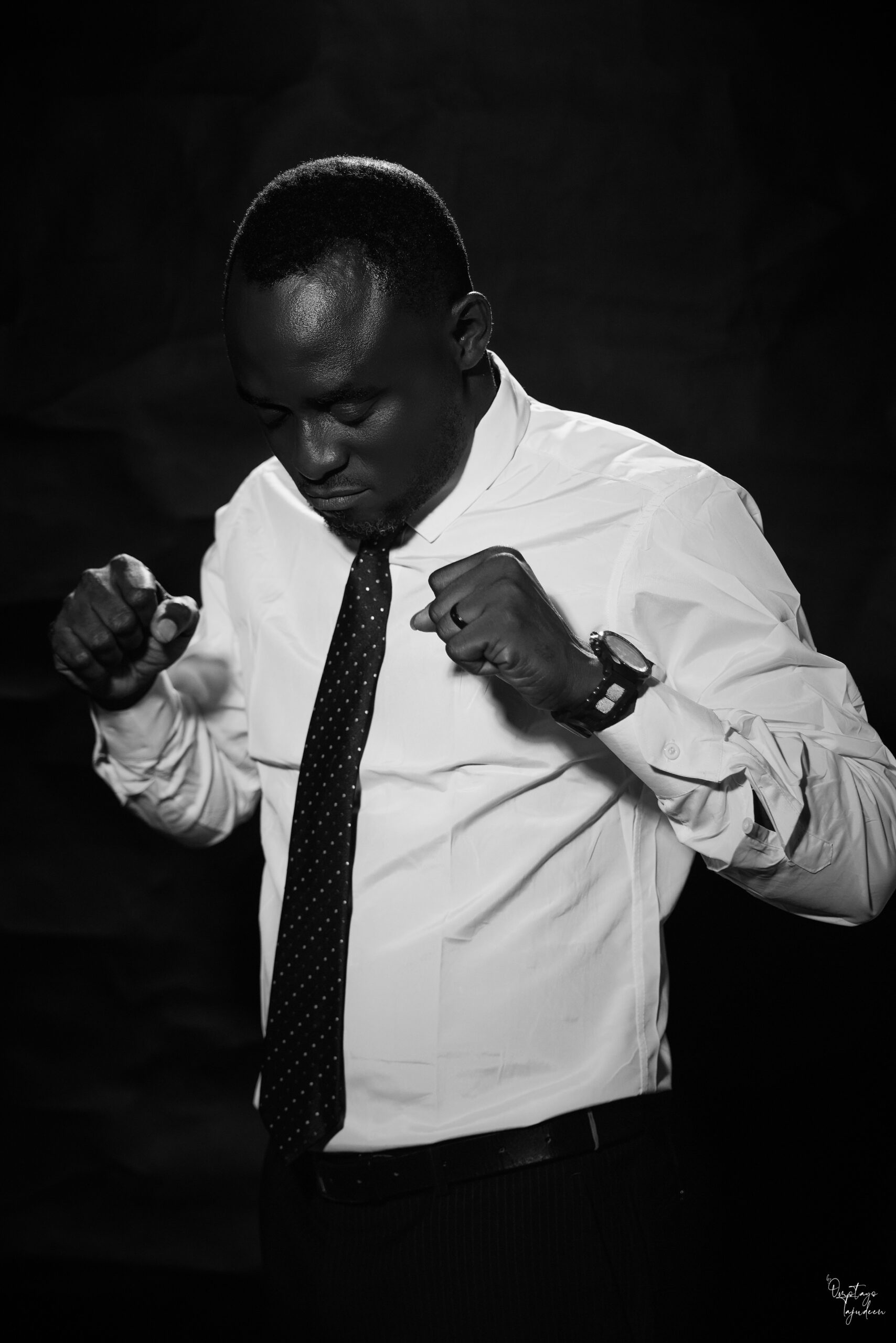
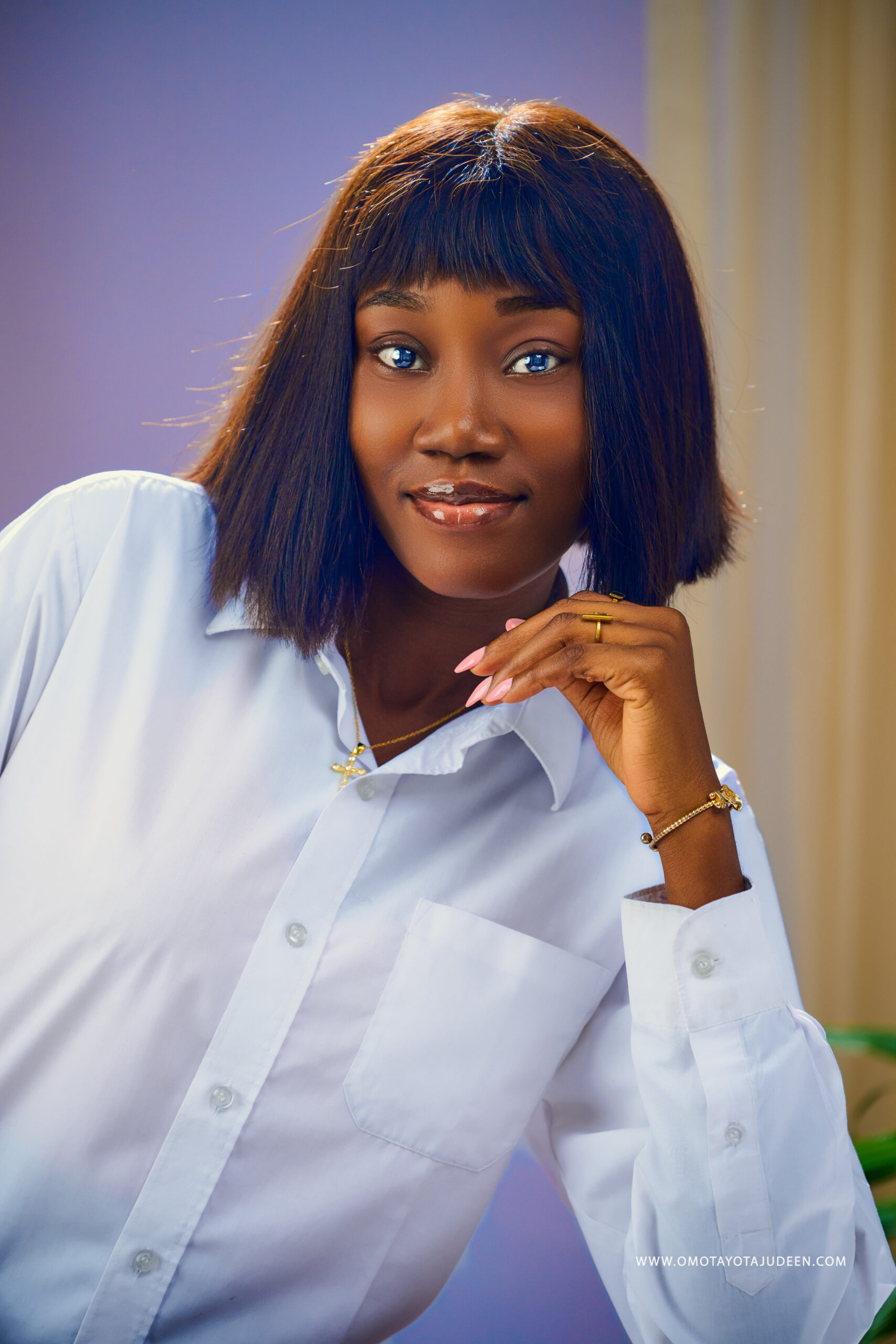
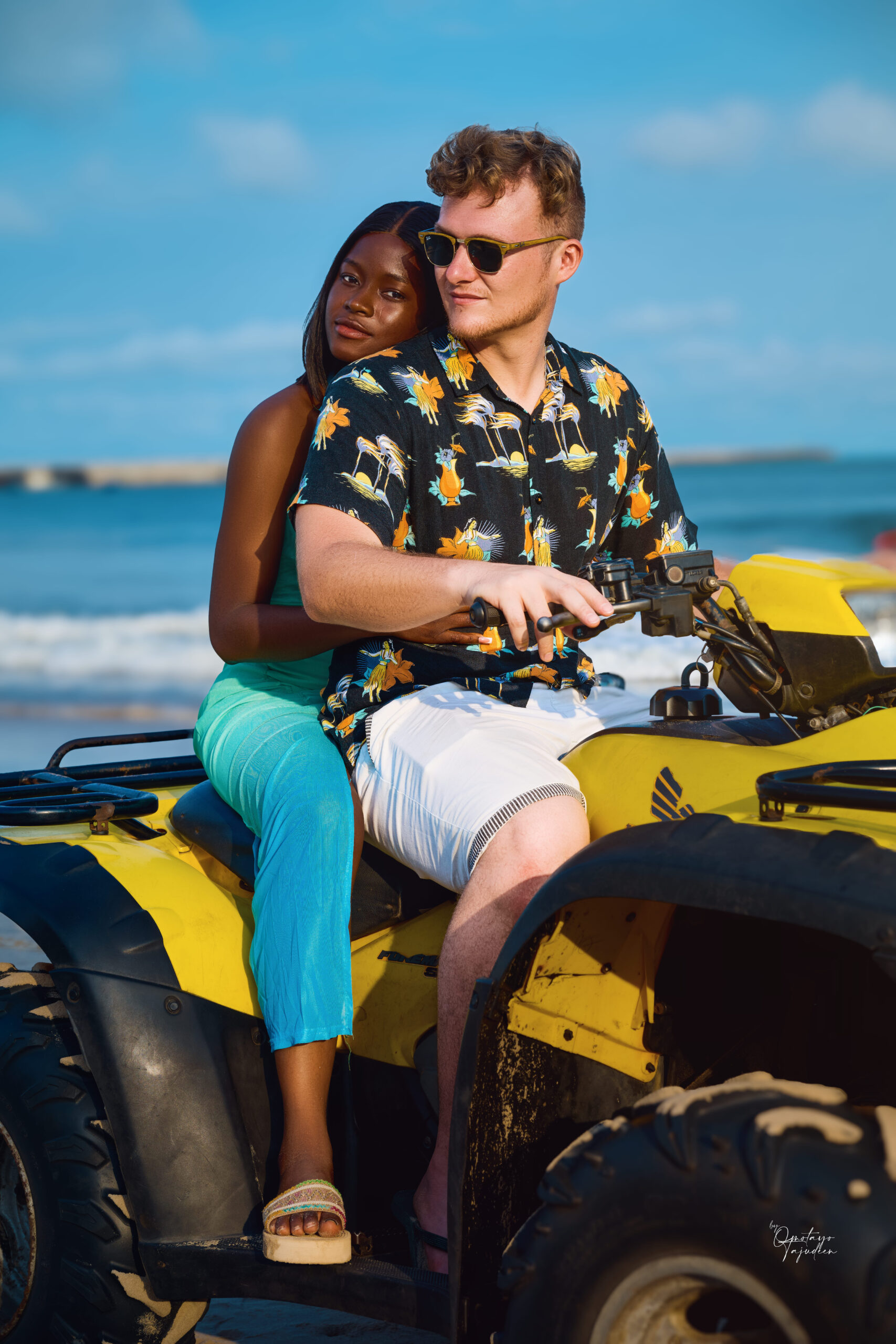
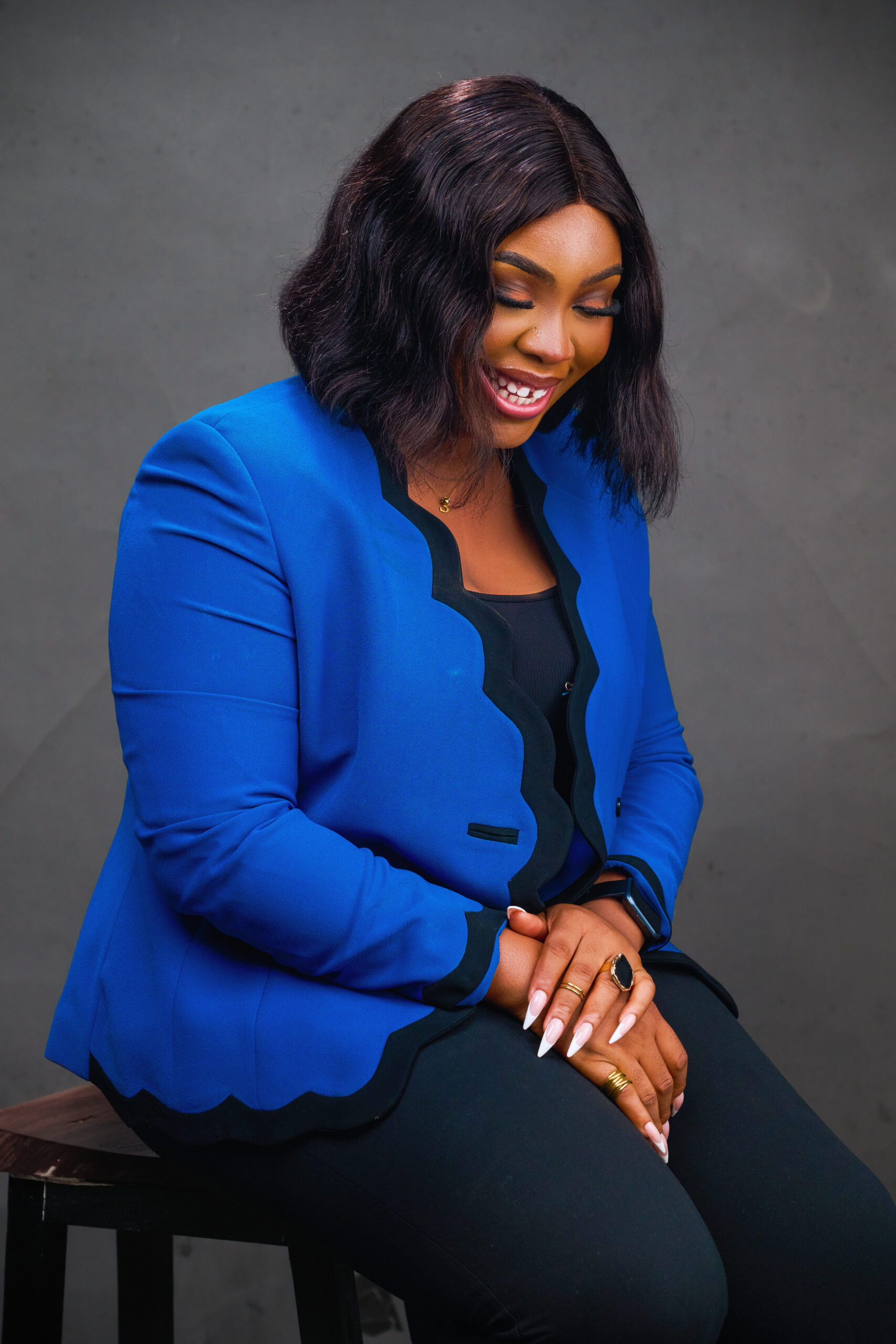
When people feel at ease, they stop performing. And when performance drops, presence appears. And that presence is what I’m always looking for because it births the most unique and sincere images.
5. Trusting Experience
The years of working across portraits, weddings, commercial, and documentary projects have taught me how to adapt when things don’t go as planned — because they often don’t. Preparation gives structure, and experience gives flexibility.
Together, they allow me to stay present, responsive, and attentive to what’s unfolding in real time. By the time I pick up the camera, the goal is simple:
To be fully there, notice what matters and to respond honestly. The photographs are a result of that attention.
6. PRAY AND TRUST GOD LIKE I’VE DONE NOTHING
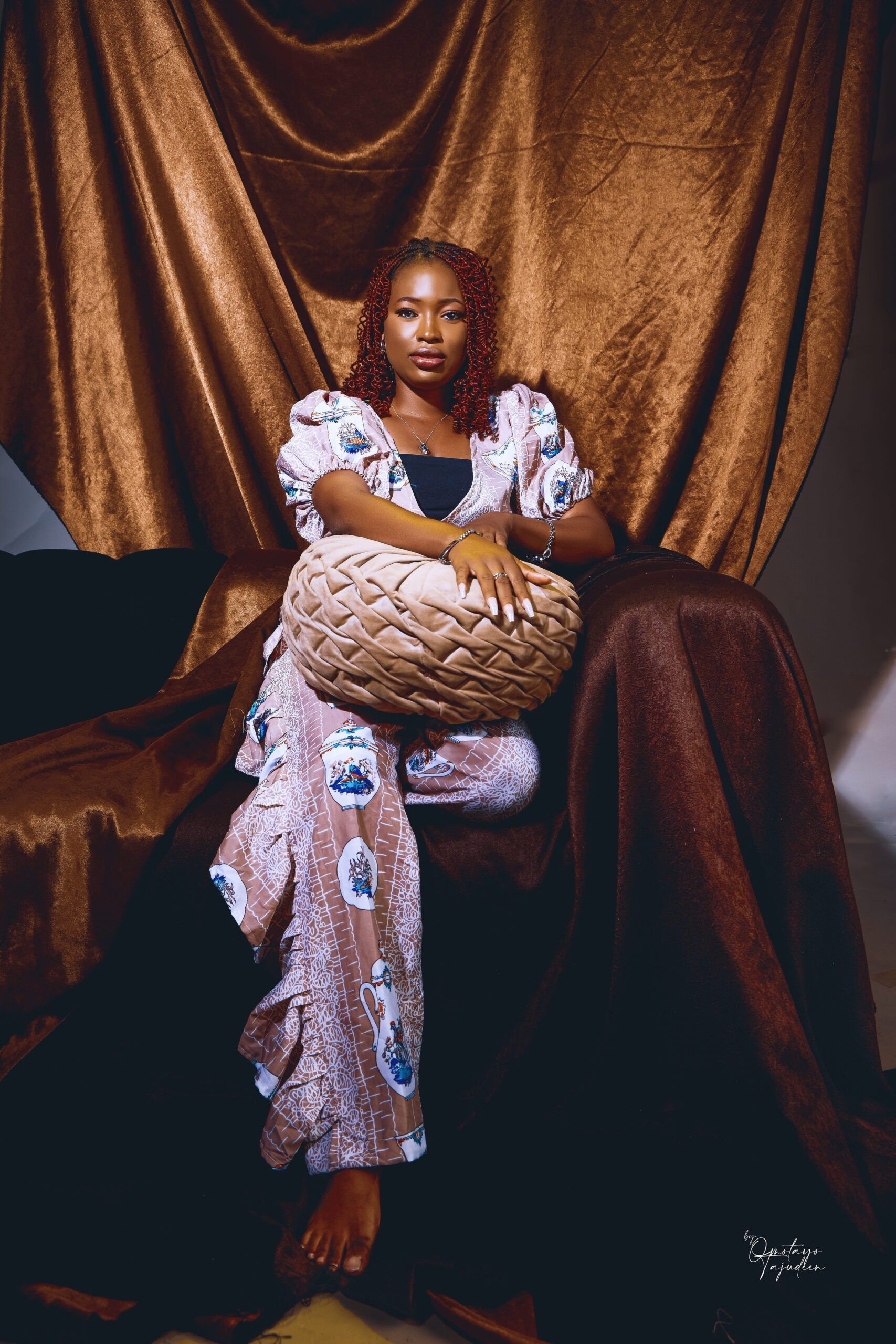
Finally, after all the planning and preparation and visualisation; i pray. Commit the entire day into the Hands of the Father, asking the Holy Spirit to take control and take the Stage. I prepare like i don’t know God but i trust God as though I’ve not done any work. From client expressions, to where they fix their gaze, to who follows them on the day, the other vendors and other seemingly mundane things. This goes from pre to production and post production. Being attentive to the leadings and nudging of the Spirit in every decision from light intensity, LUT/Preset choices, composite decisions etc.