I’m not really comfortable in front of the camera – this is one of the most heard lines from clients during consultations
Sometimes they say it with a laugh. Sometimes they say it apologetically, as if it might make the session more difficult; but the truth is, being camera shy is far more common than people realise. Very few people spend their everyday lives being photographed intentionally. So when a camera suddenly comes to make you the focus of attention, it’s natural to feel a little self-conscious. Part of my work as a photographer is understanding that and creating an environment where that discomfort slowly fades.
1. Starting With Conversation
Before the camera ever comes out, we talk; and it’s not just about the logistics of the shoot, but about what the images are meant to represent. Who they are for. What you want people to feel when they see them. This conversation helps shift the focus away from “being photographed” and toward telling a story about you. Once the purpose becomes clear, the camera stops feeling like an obstacle and starts to feel like a tool.
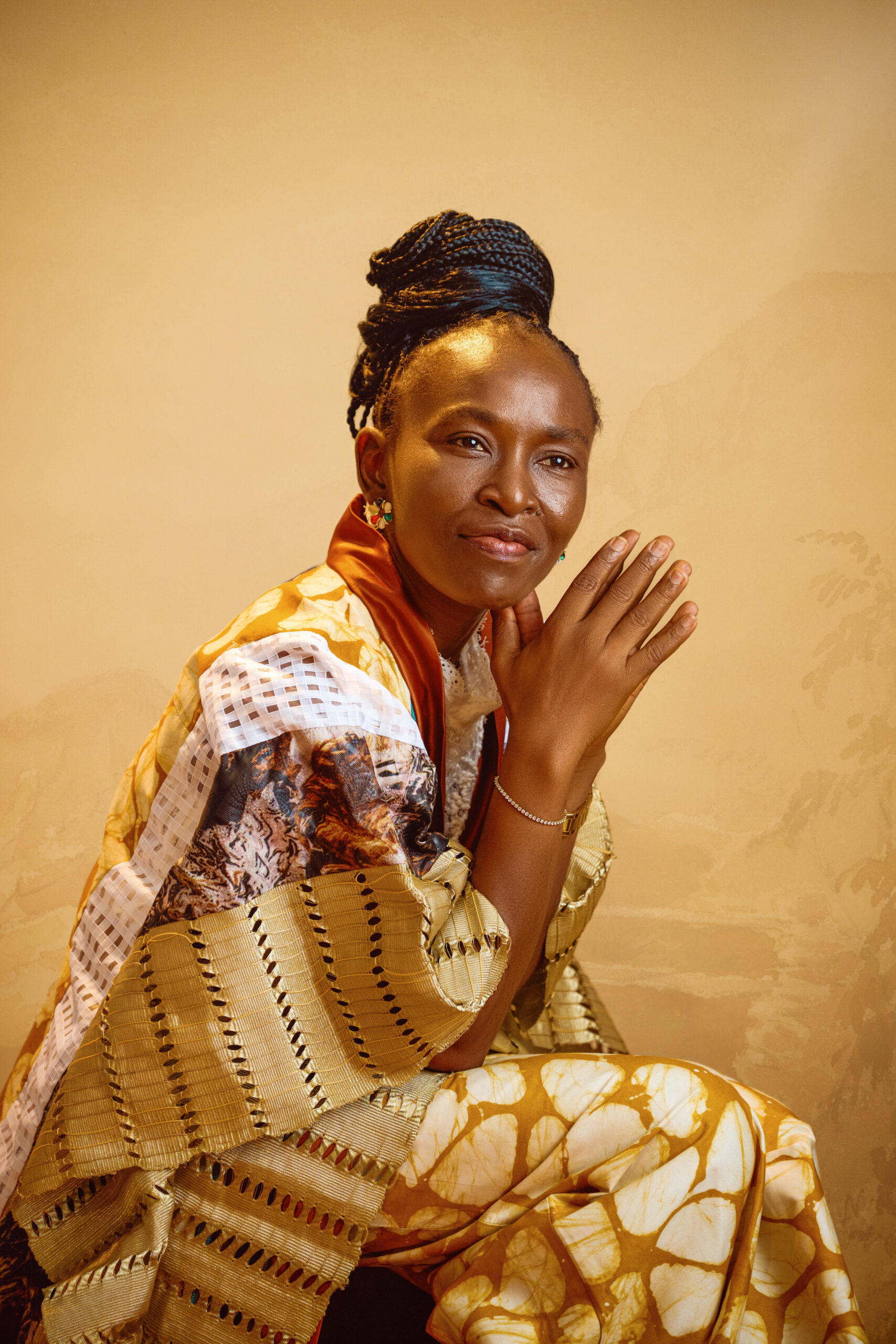

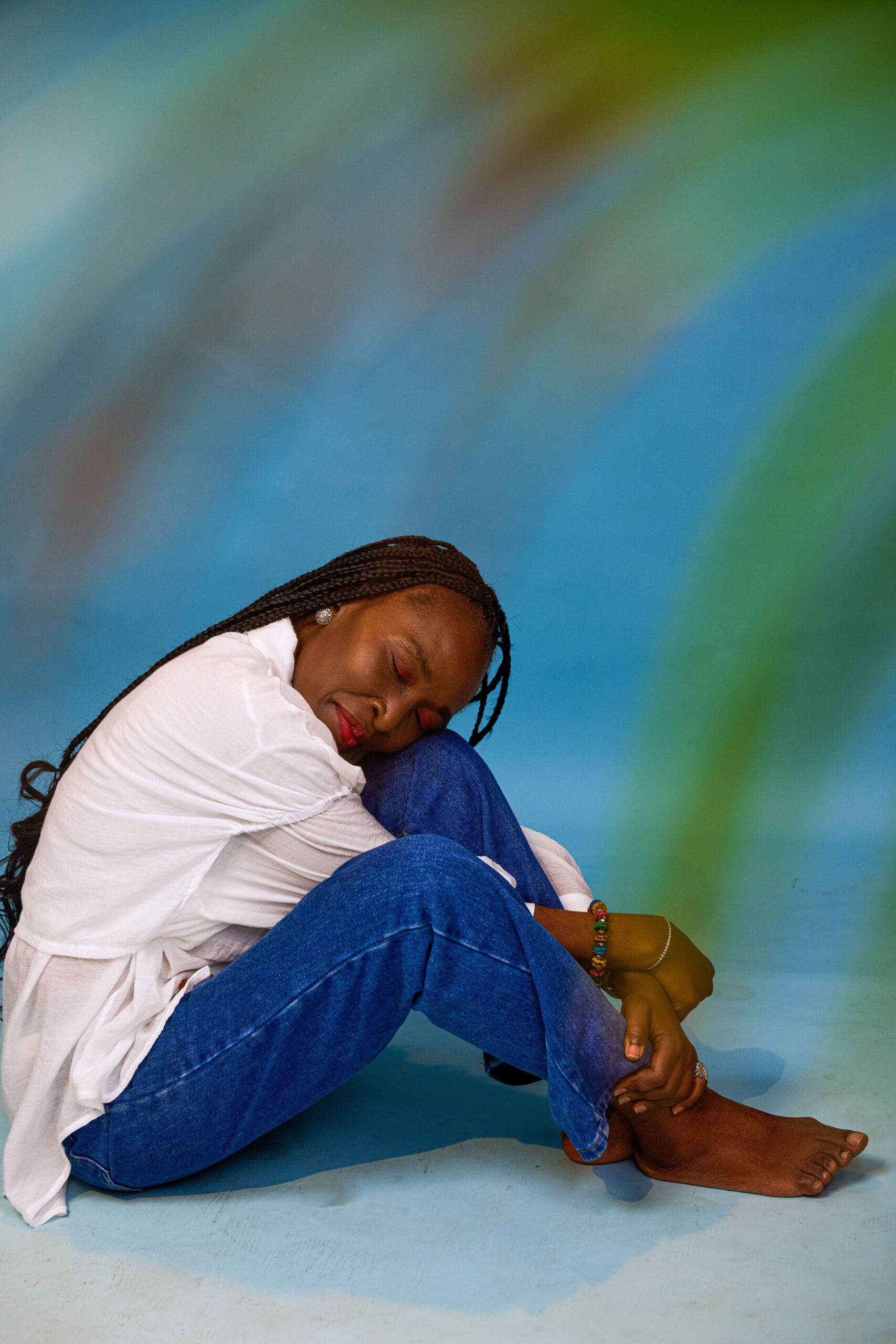

2. Removing the Pressure to Perform
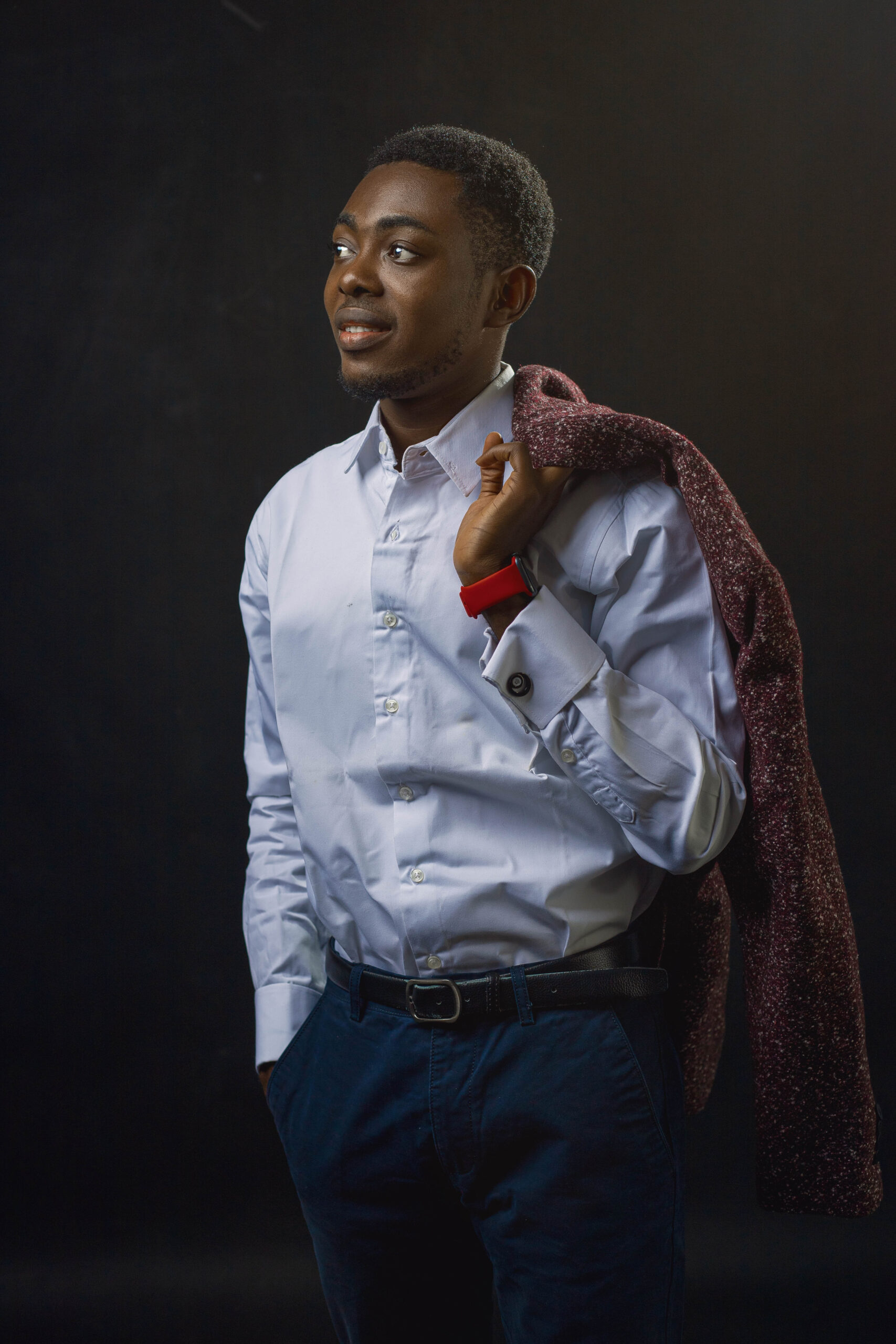
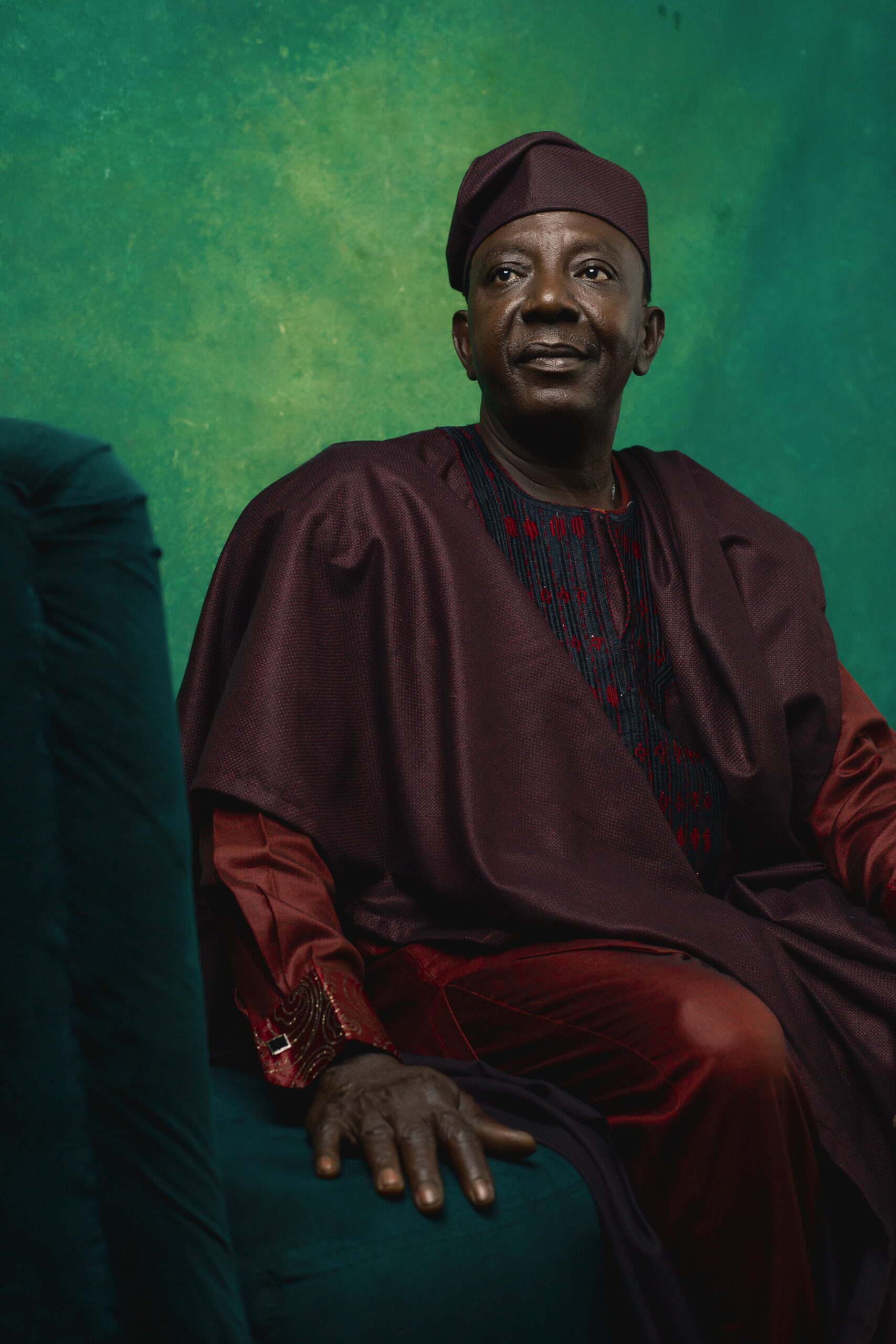
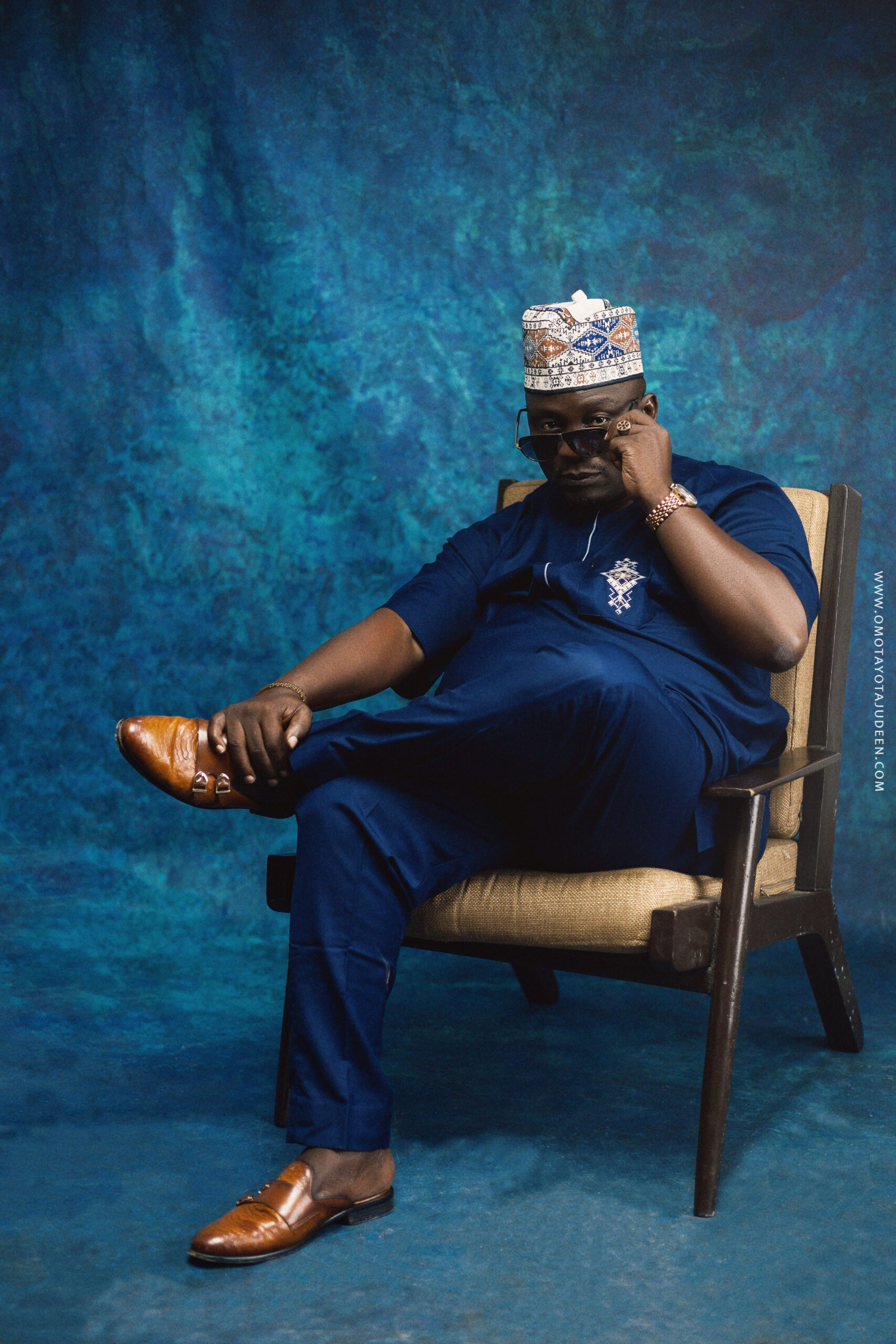
Many people assume a photoshoot requires them to know how to pose or behave in a particular way. In reality; the opposite is true, and my approach is not about forcing performance, it’s about creating space for people to settle into themselves.
Sometimes that means simple guidance like adjusting posture slightly, suggesting where to stand, or helping someone find comfortable movement. Other times, it means stepping back and letting a natural moment appear. The goal isn’t perfection but presence.
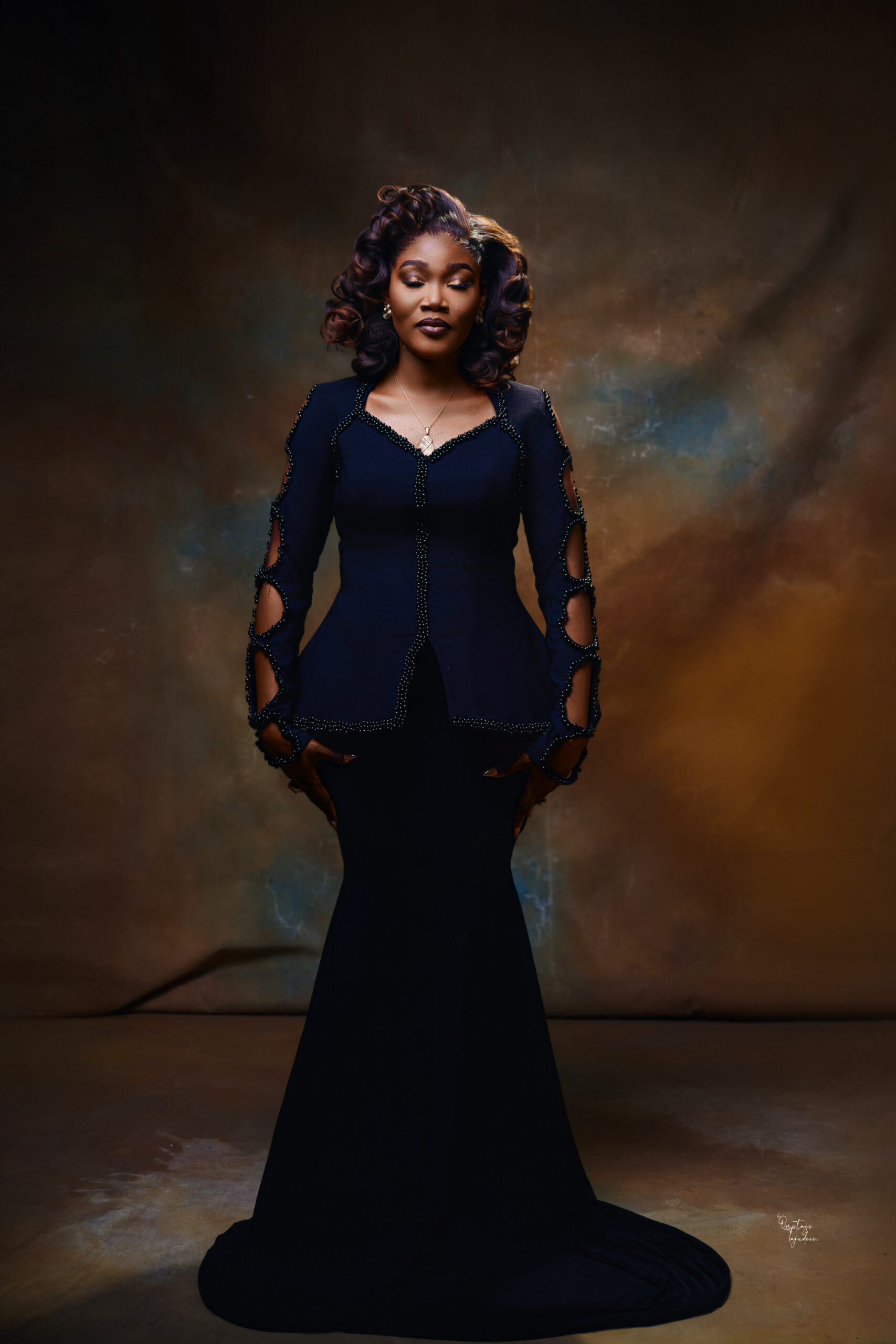
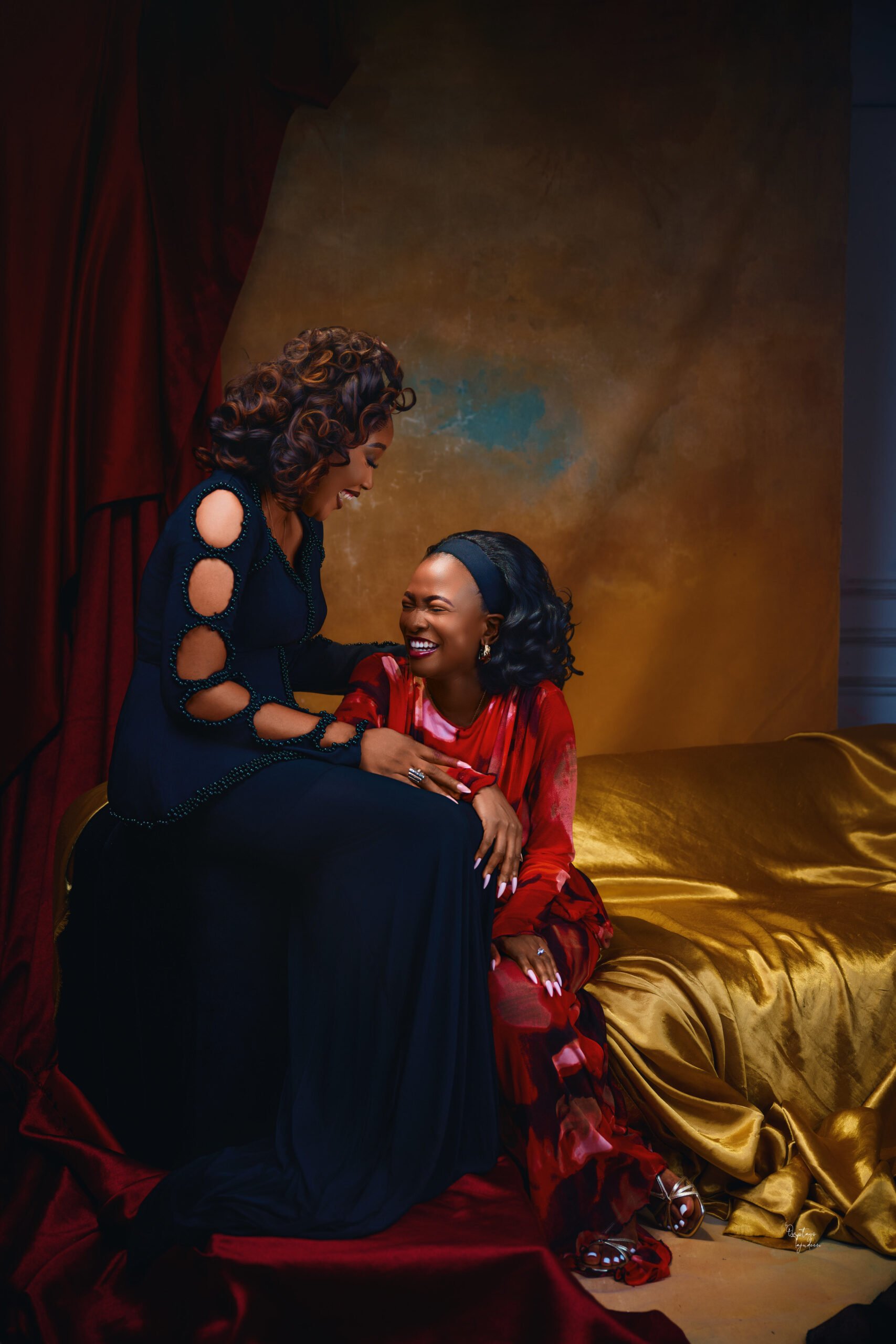


3. Keeping the Atmosphere Relaxed
The environment of a shoot makes a huge difference. If the atmosphere feels rushed or overly technical, people tend to become more aware of themselves. But when the process feels calm and conversational, that awareness gradually fades. I keep the pace steady, allow small breaks when needed, and encourage people to move naturally rather than holding rigid poses. Over time, the camera becomes less of a focal point.


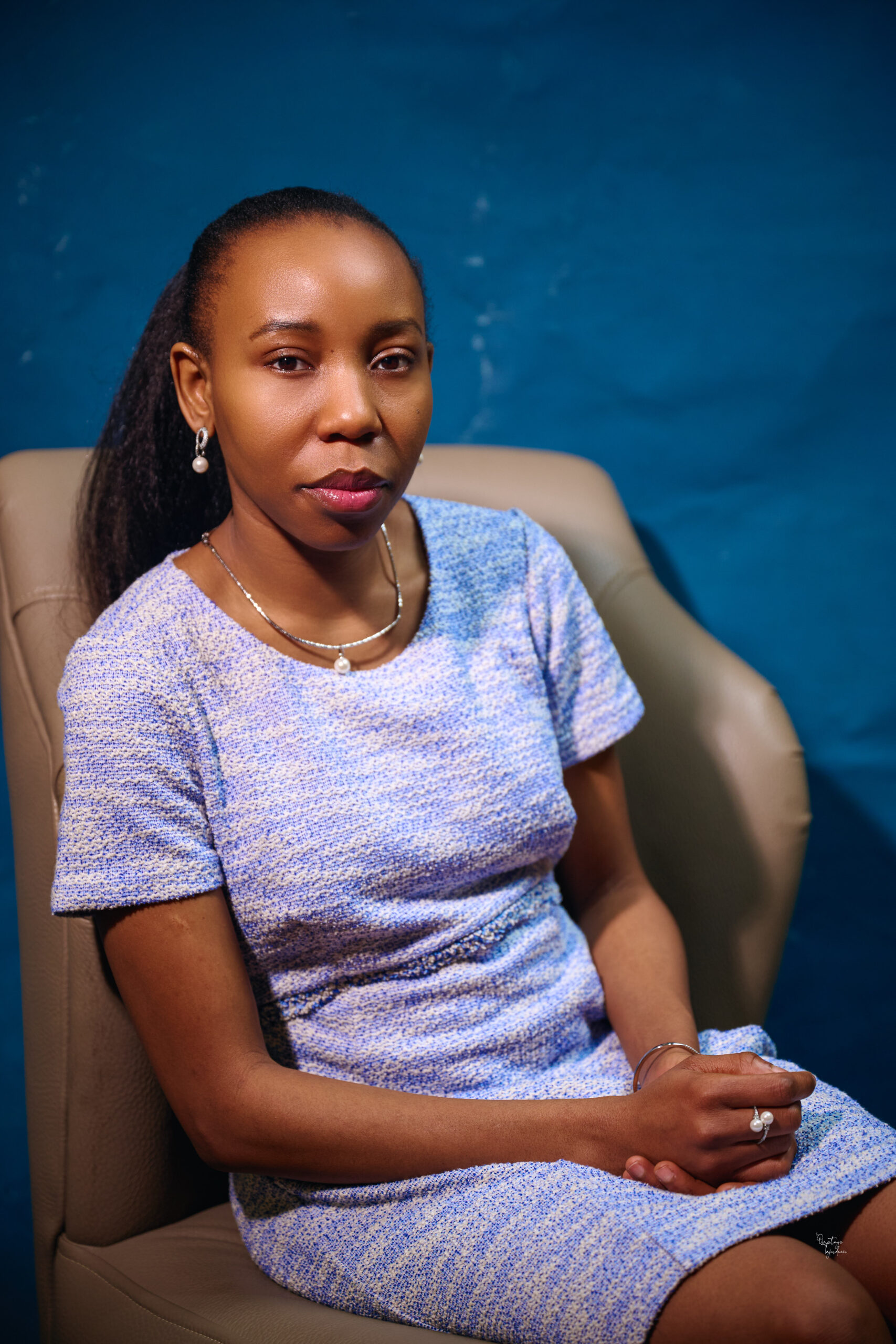

4. Paying Attention to Small Moments
Some of the best photographs appear in the moments between instructions.
A brief laugh.
A thoughtful pause.
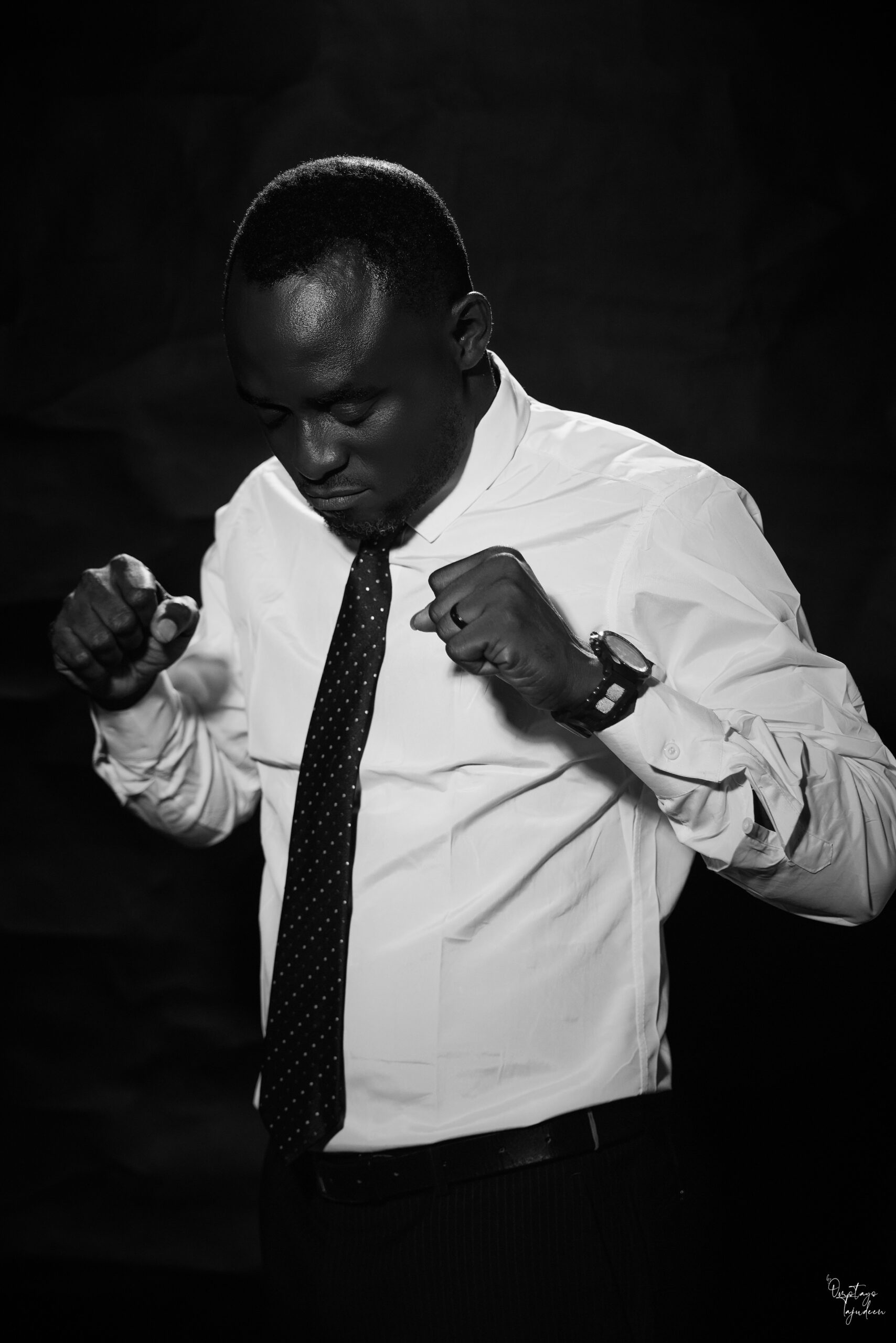
A natural expression that surfaces when someone forgets they are being observed.
When people relax, those moments begin to appear naturally. My role is simply to notice them.
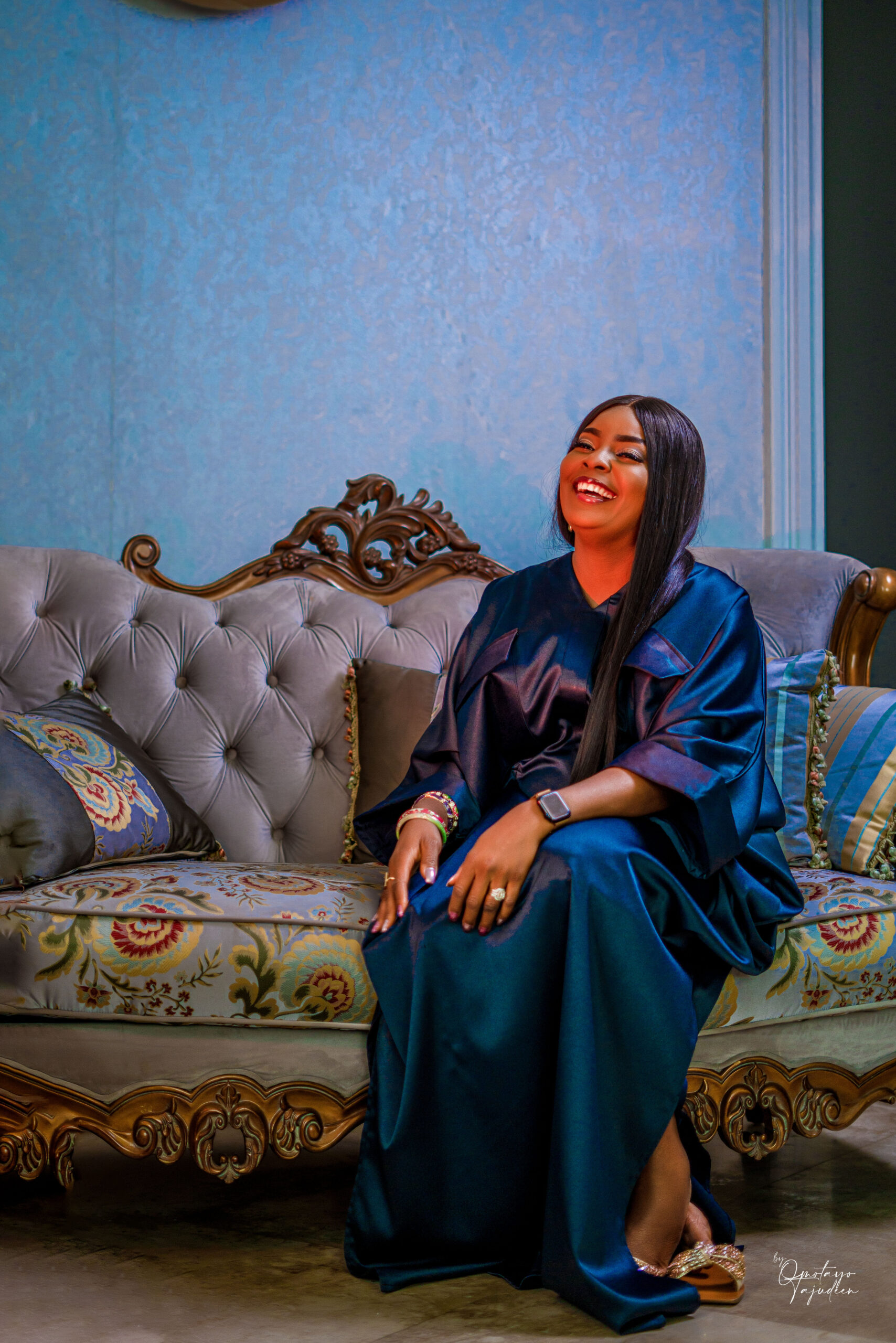



5. Letting Confidence Build Gradually
Camera confidence rarely happens instantly. It grows slowly throughout the session and the first few minutes are usually about settling in. After that, most people begin to realise that the process is much simpler than they expected. By the end of the shoot, many clients are surprised by how comfortable they feel, not because they suddenly became performers, but because they were allowed to be themselves.


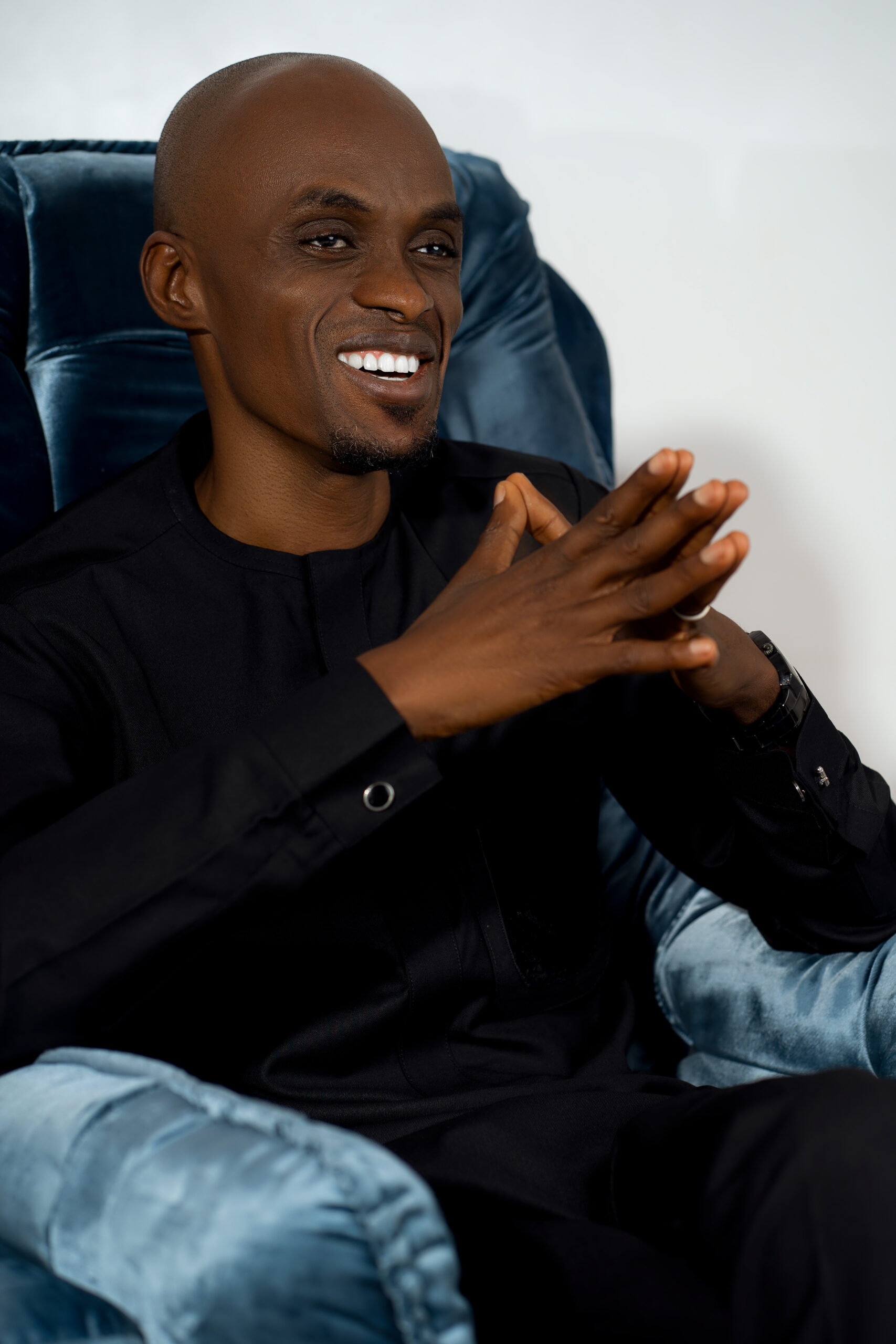

Being camera shy isn’t a problem that needs to be fixed, it’s simply a reminder that photographs should be approached with patience and empathy and when the process feels relaxed and collaborative, the camera becomes less intimidating which causes the images to become more honest. And this honesty, more than anything else, is what makes a photograph feel real.



Learnt a lot
that’s great!