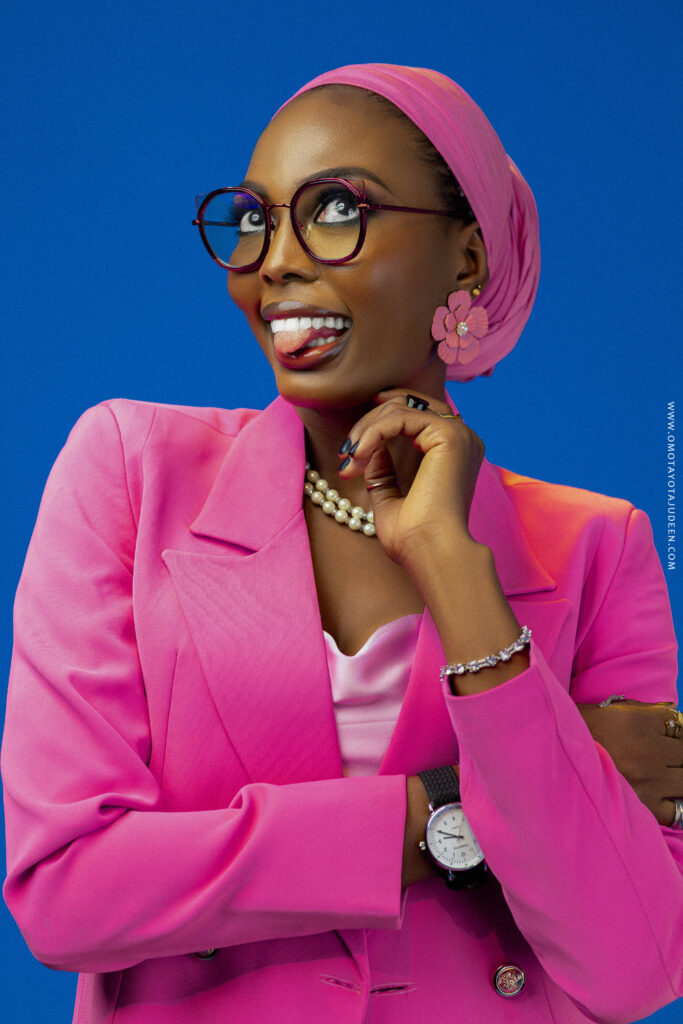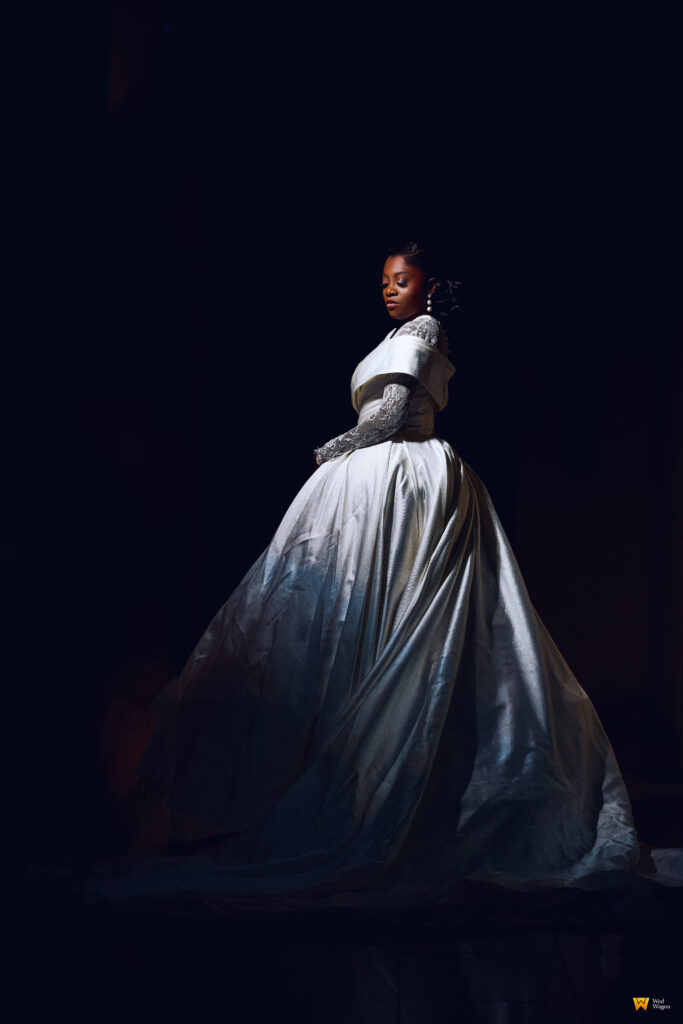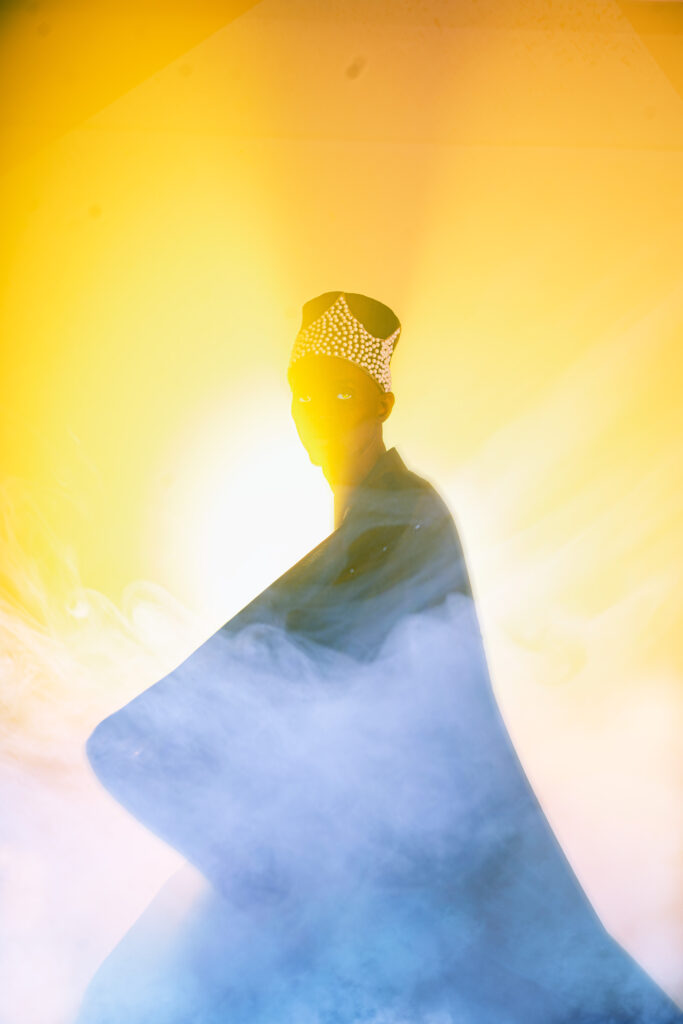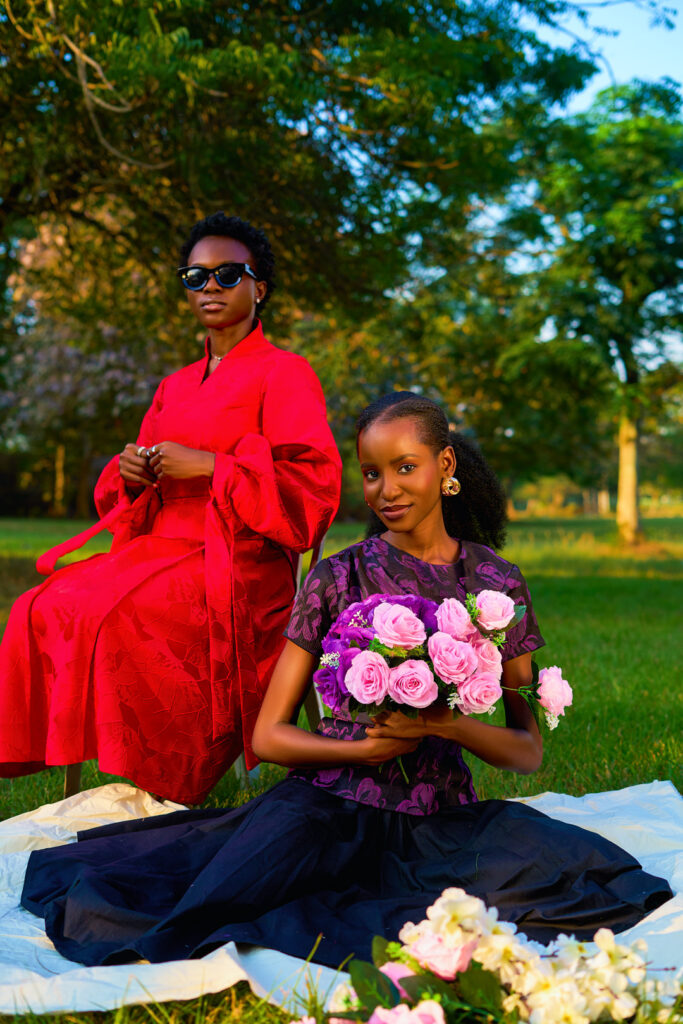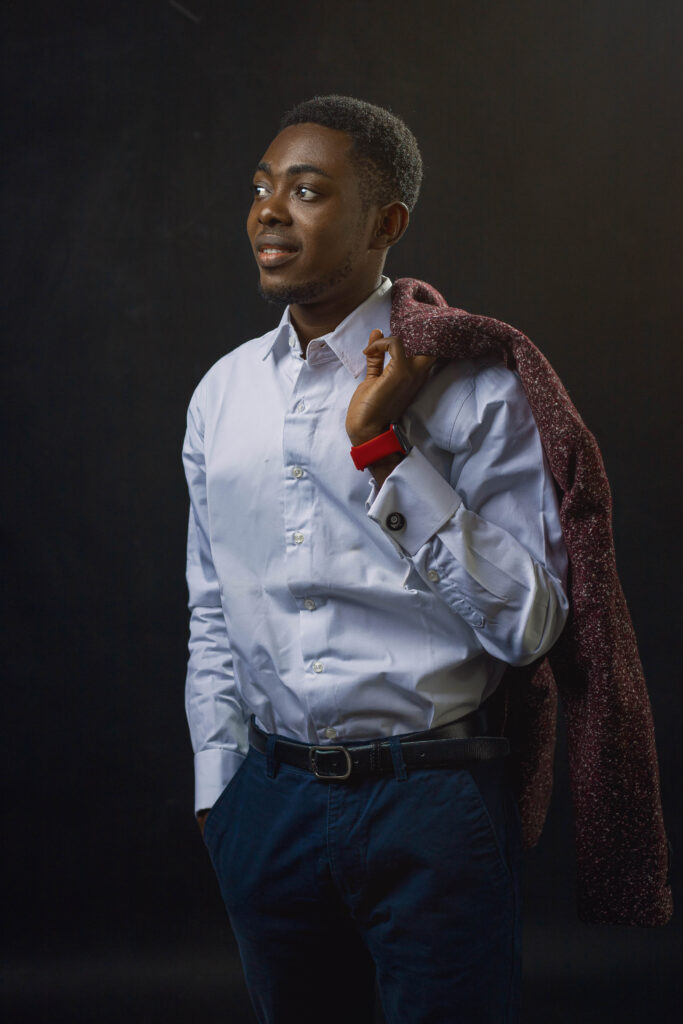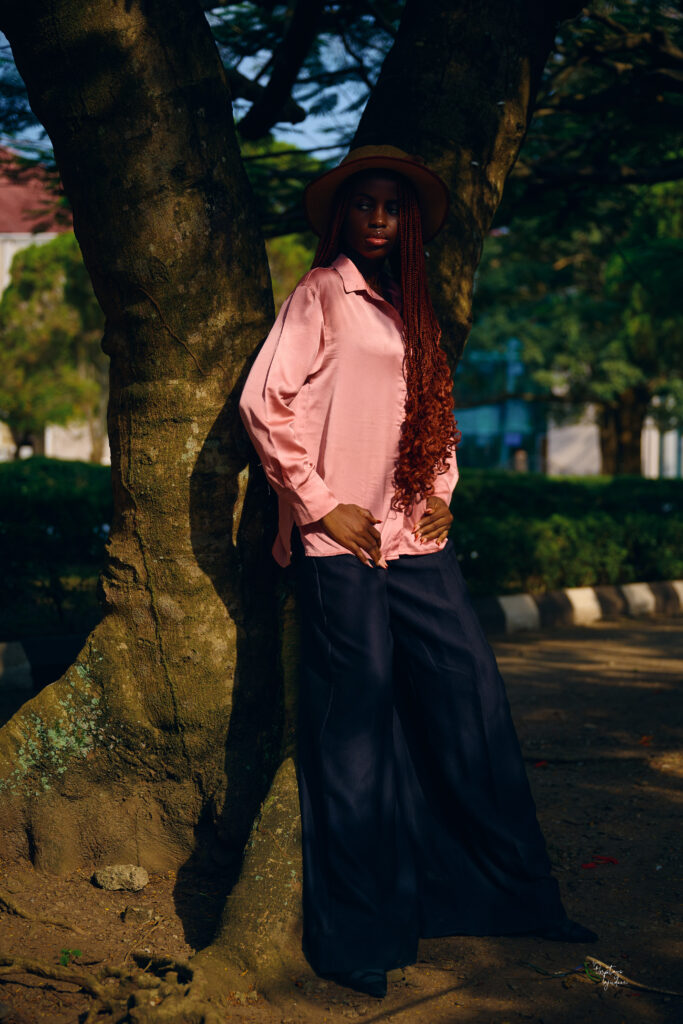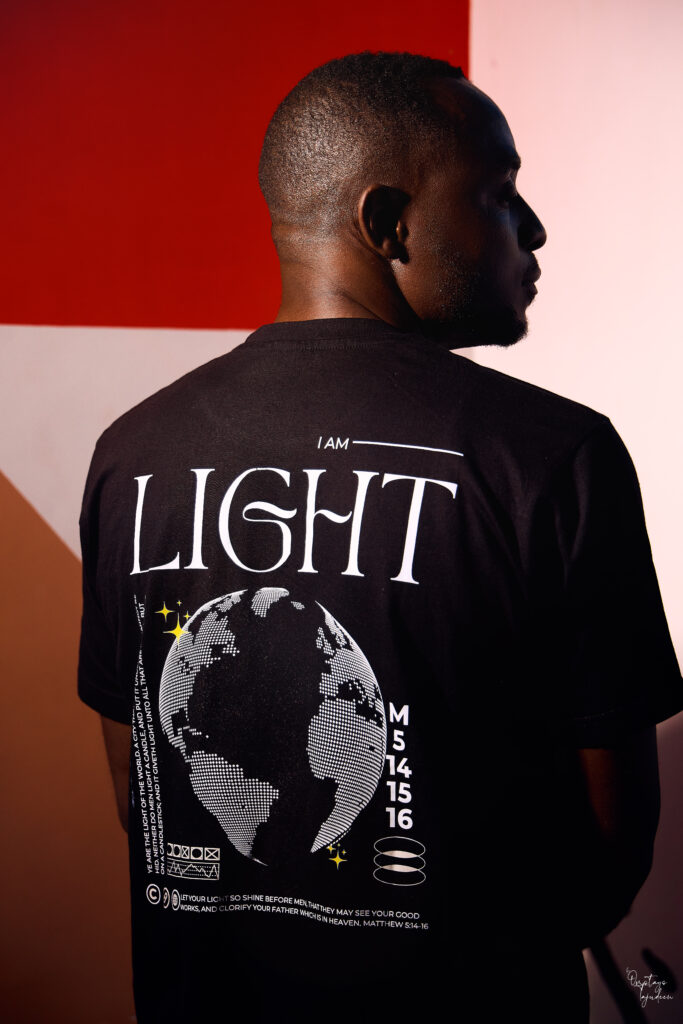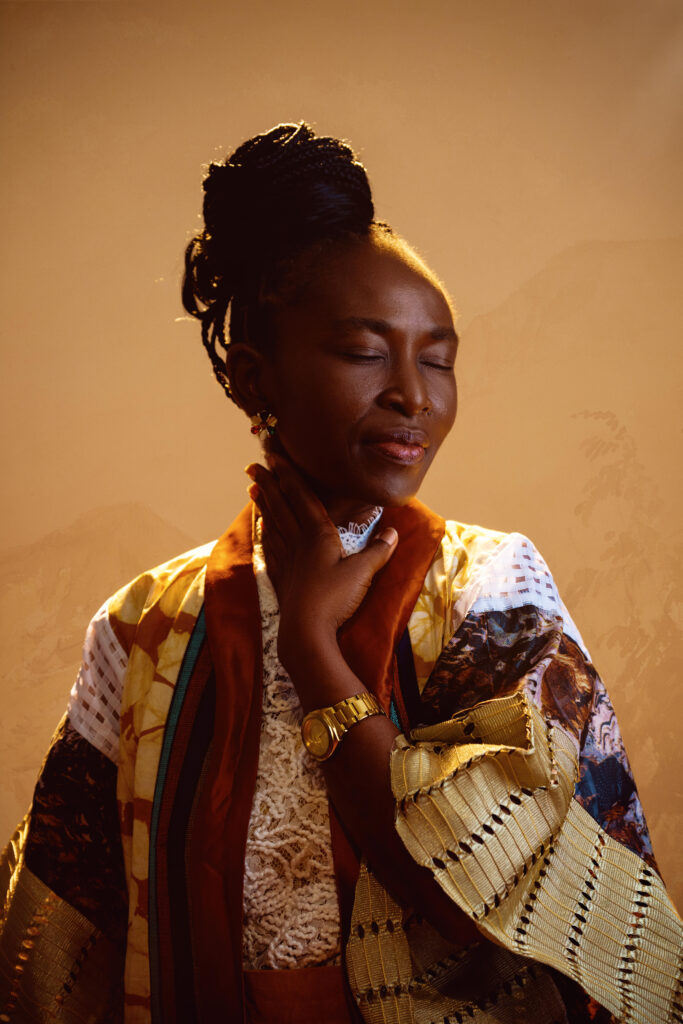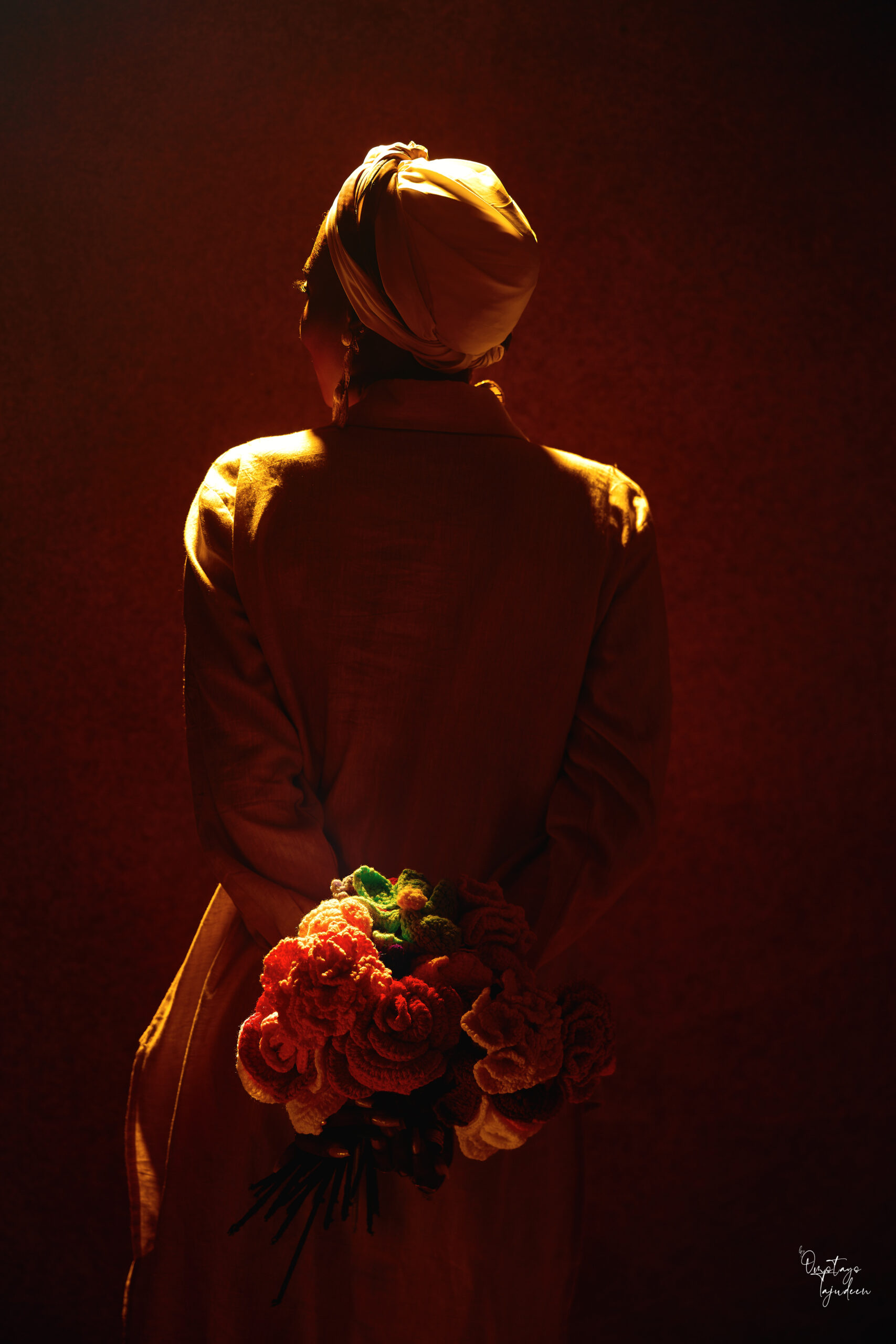
They are the three pillars on which every decision I make are moulded on — often more than the subject itself.
Before I think about composition or technique, I pay attention to three things: light, mood and story.
Photography, for me, isn’t about imposing a look. It’s about responding to what’s already present and guiding it gently to the point of delivery.
Light: More Than Illumination
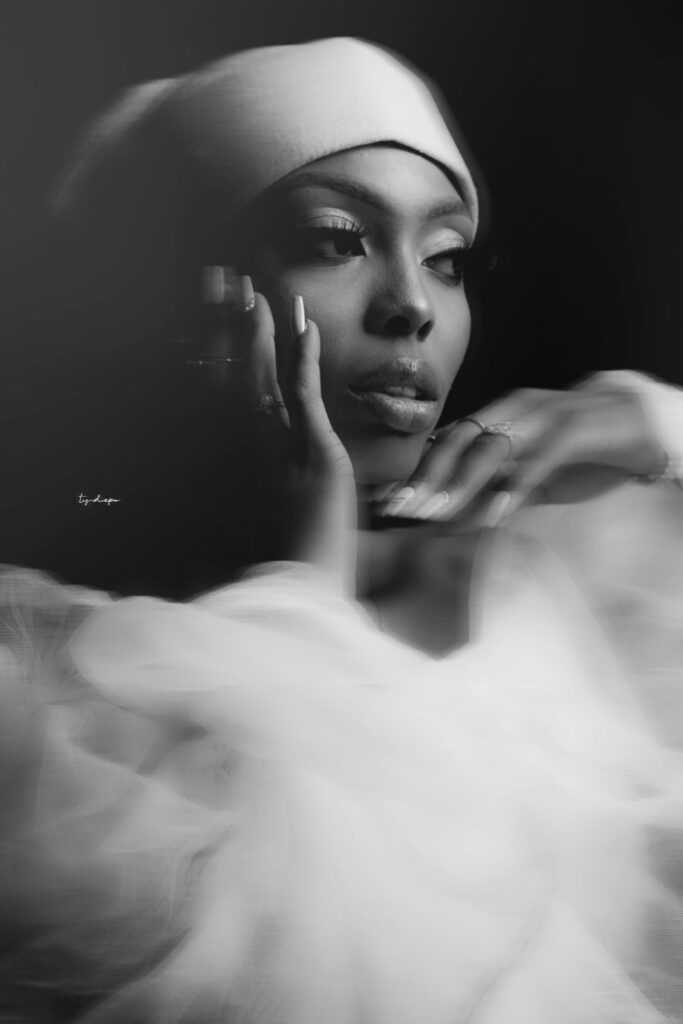
Light is never neutral. It carries emotion. It suggests time, intimacy, tension, calm. The same face can feel entirely different under different light — softer, stronger, quieter, bold, more confrontational, open minded, discreet, happy, sad etc.
Before a shoot, I ask:
- Is this story gentle or bold?
- Does it require softness or contrast?
- Should the light reveal everything, or leave room for mystery?
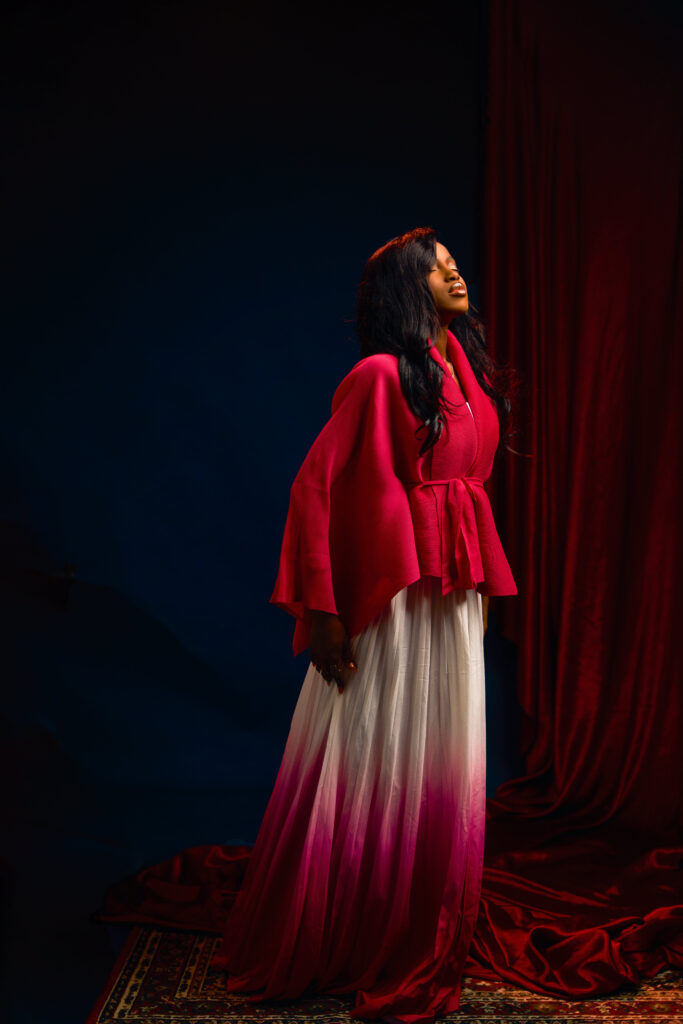
Sometimes that means working with natural light as it shifts. Other times it means shaping light deliberately to support the feeling we’re trying to hold. I’m less interested in “perfect” light and more interested in appropriate or intentional light; light and lighting that serves the story being told.
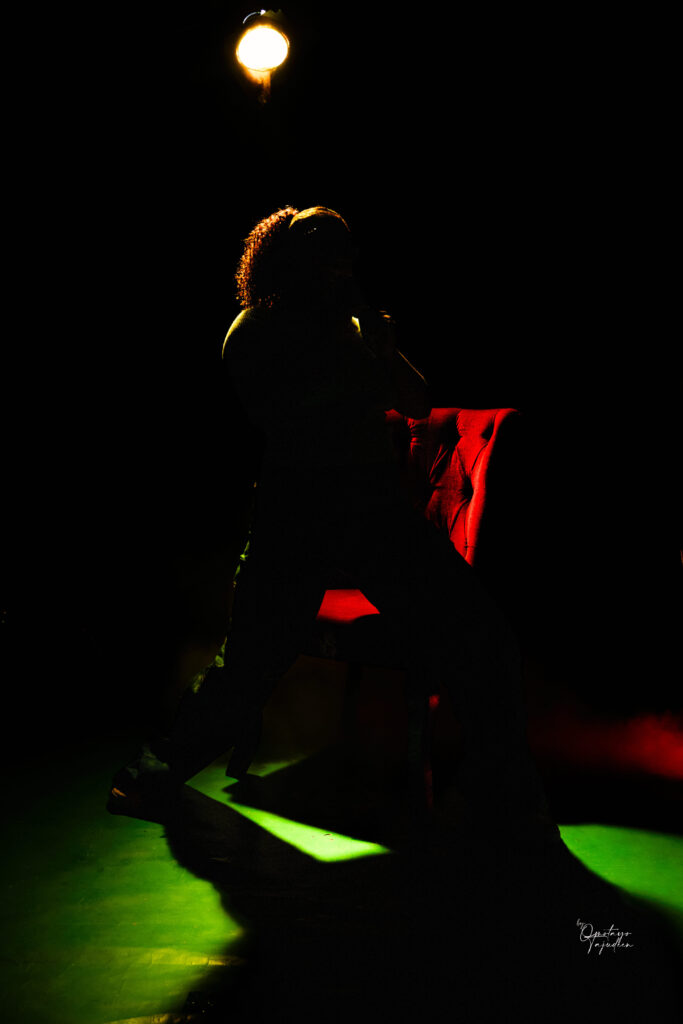
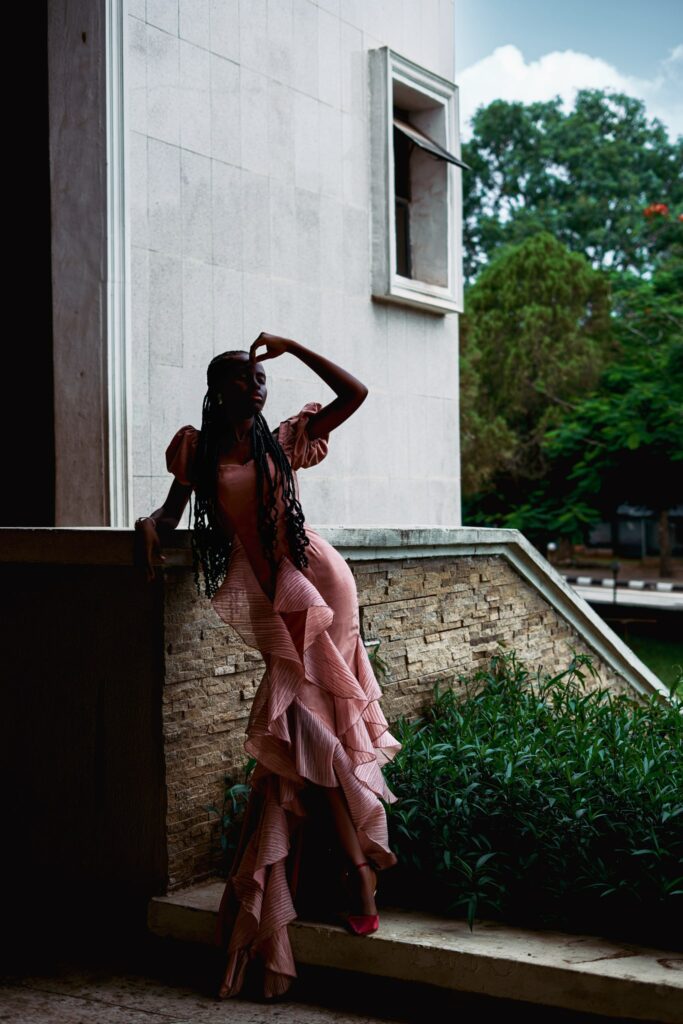
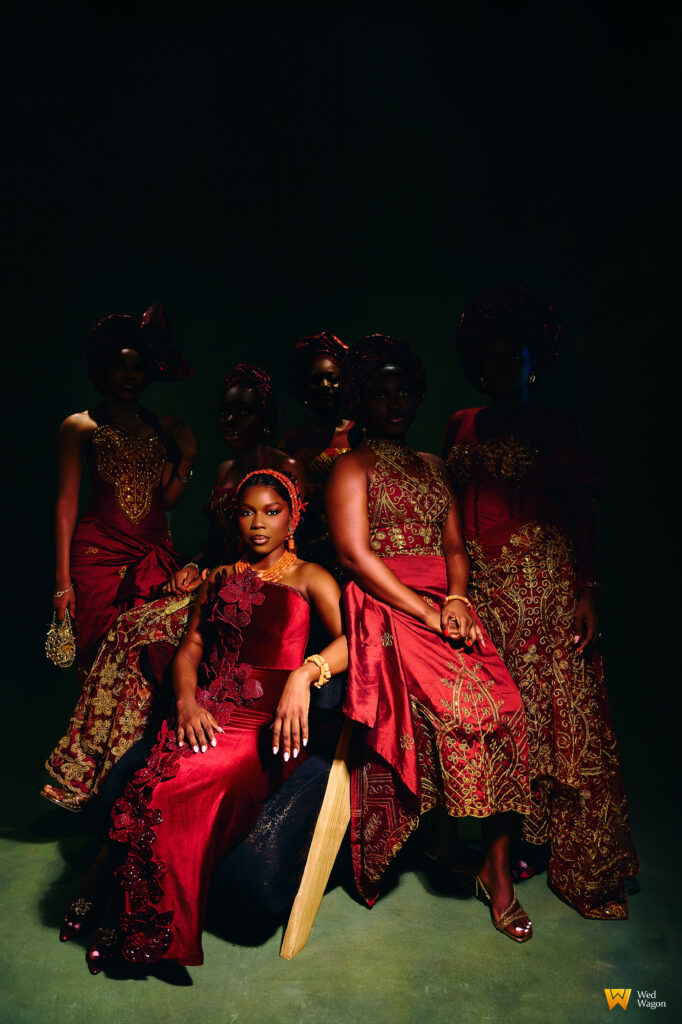

Mood: The Emotional Undercurrent
Mood is what people feel before they understand why.
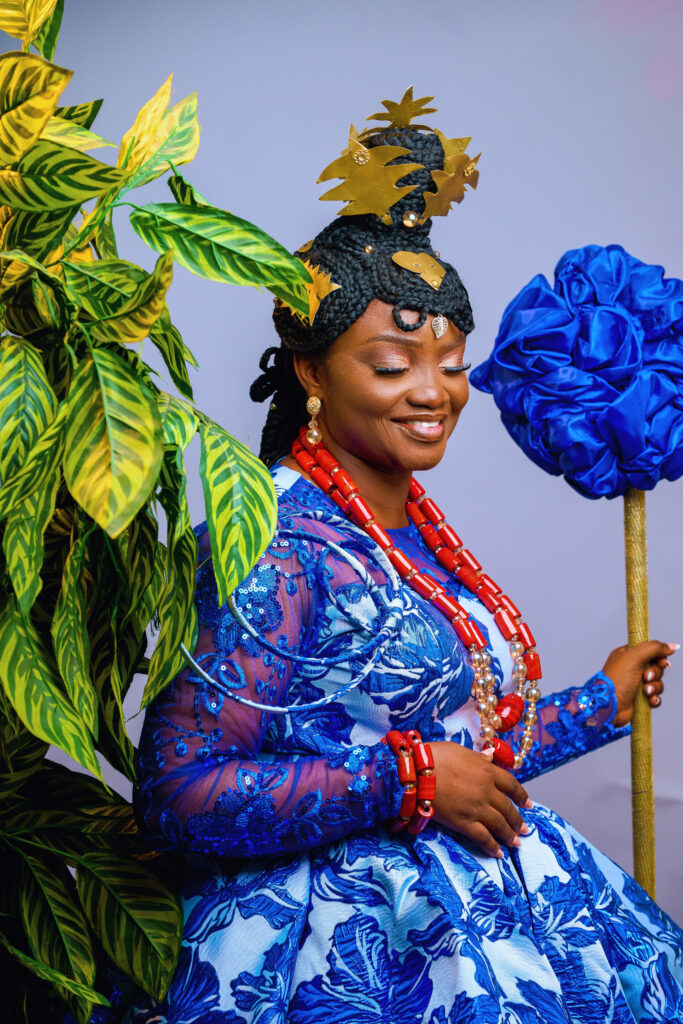
It’s created through a combination of light, space, timing, elements, colour, expressions and how comfortable the subject feels. Mood can’t be forced, but it can be protected.
On set, I’m always watching energy:
- Is the environment tense or relaxed?
- Are people rushing or settling in?
- Do we need to slow down or create momentum?
Sometimes the most important decision I make is to pause. Other times, it is to move quickly; while some spaces require you to just and stay out of the way and observe from a distance or just be a fly in the wall and let moments unfold (especially in times or places where lost moments can’t be replicated or recovered).
Mood determines whether an image feels honest or staged. When the mood is right, people stop performing — and that’s when photographs begin to breathe.
Story: The Quiet Thread
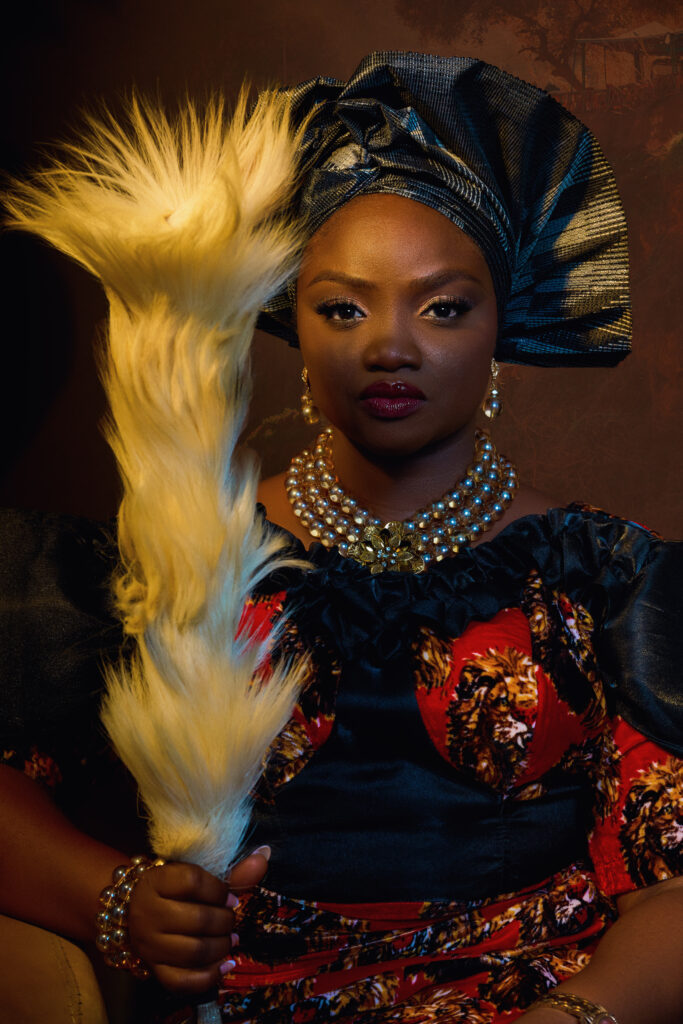
A Story doesn’t always announce itself. It might be a transition in someone’s life, a relationship between two people, a brand trying to communicate trust or a moment that won’t repeat itself. Every shoot has a story — even when it isn’t obvious.
My role is to recognise that thread and follow it carefully. That means knowing what to prioritise and what to leave out. Not every detail needs to be shown for a story to be felt. Knowing what to add or what to remove, also knowing when to ask questions and when to take the initiative.
Story shapes:
- what I choose to photograph
- what I ignore
- how sequences are built during editing
Without a story, images may be beautiful — but they remain disconnected. But with a story, even simple frames begin to carry weight.
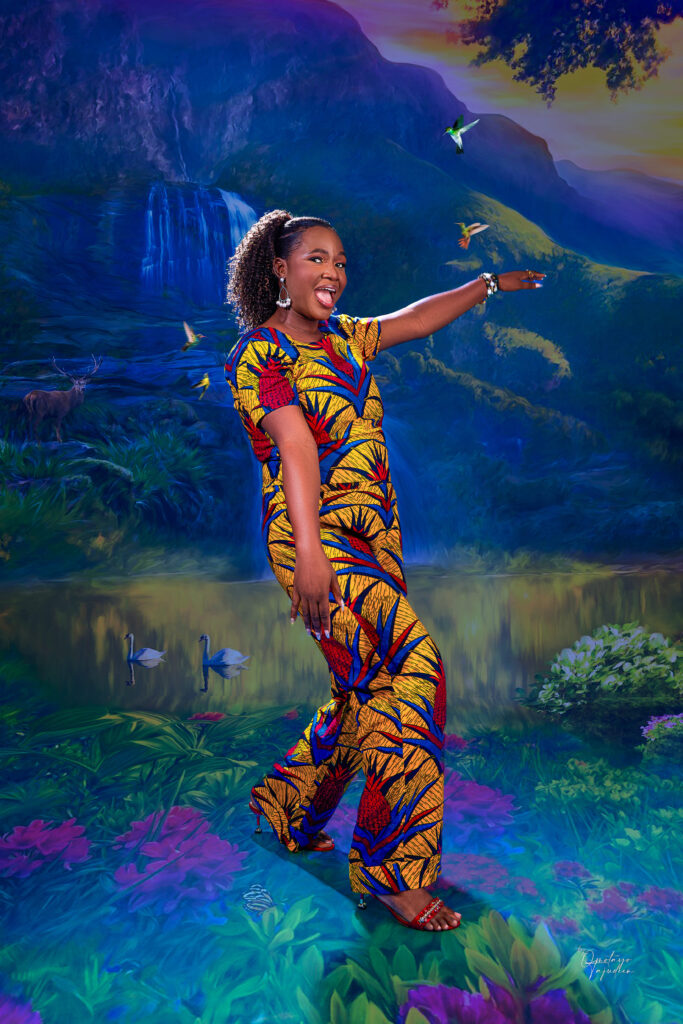
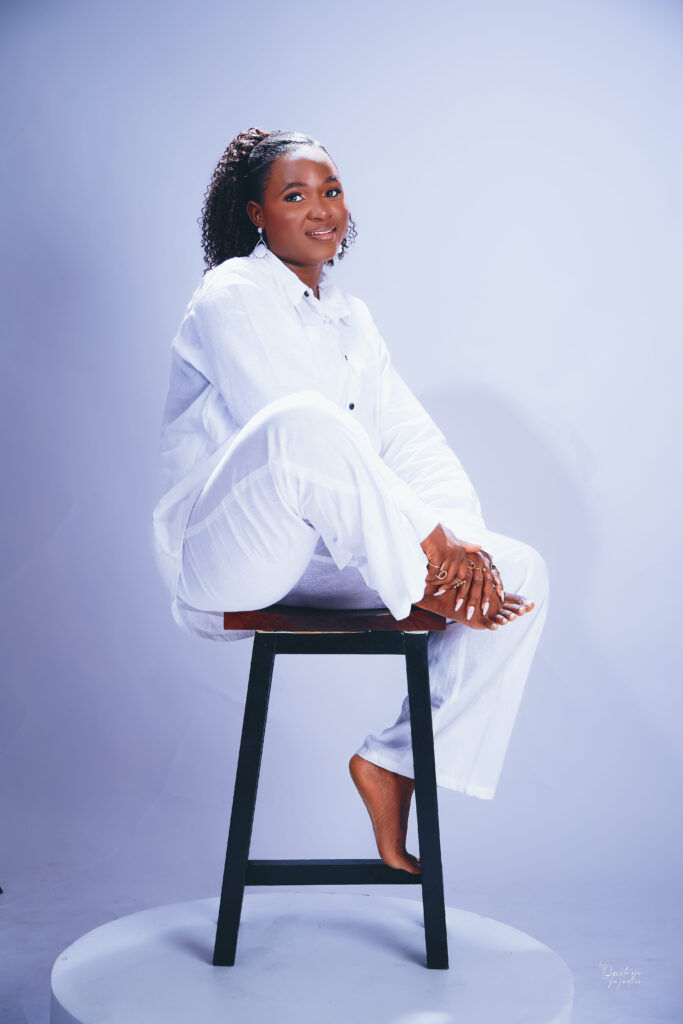
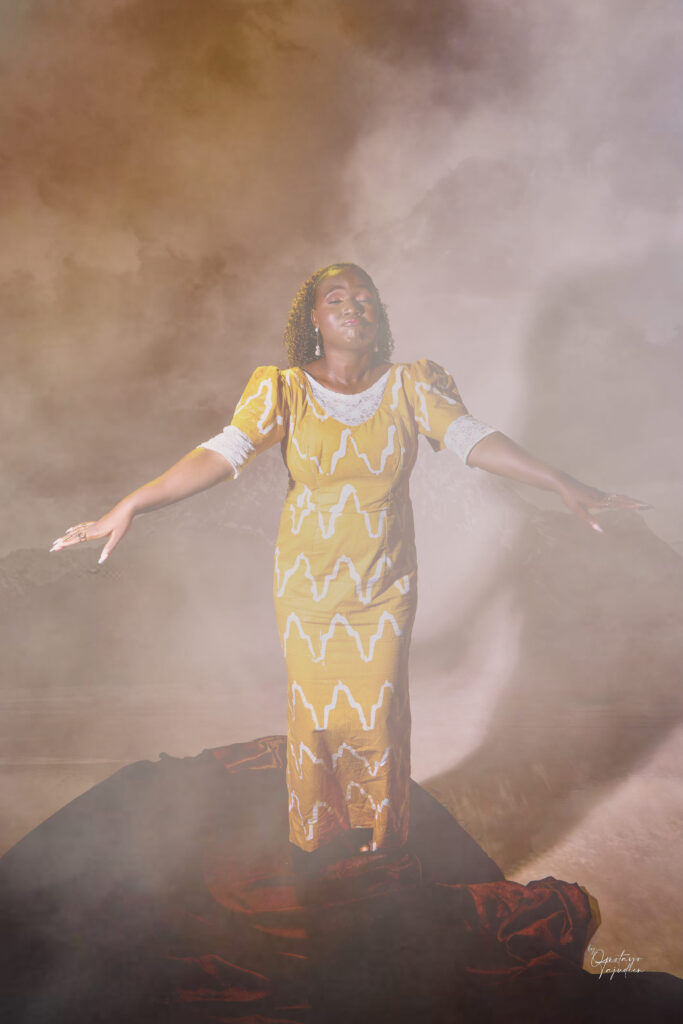
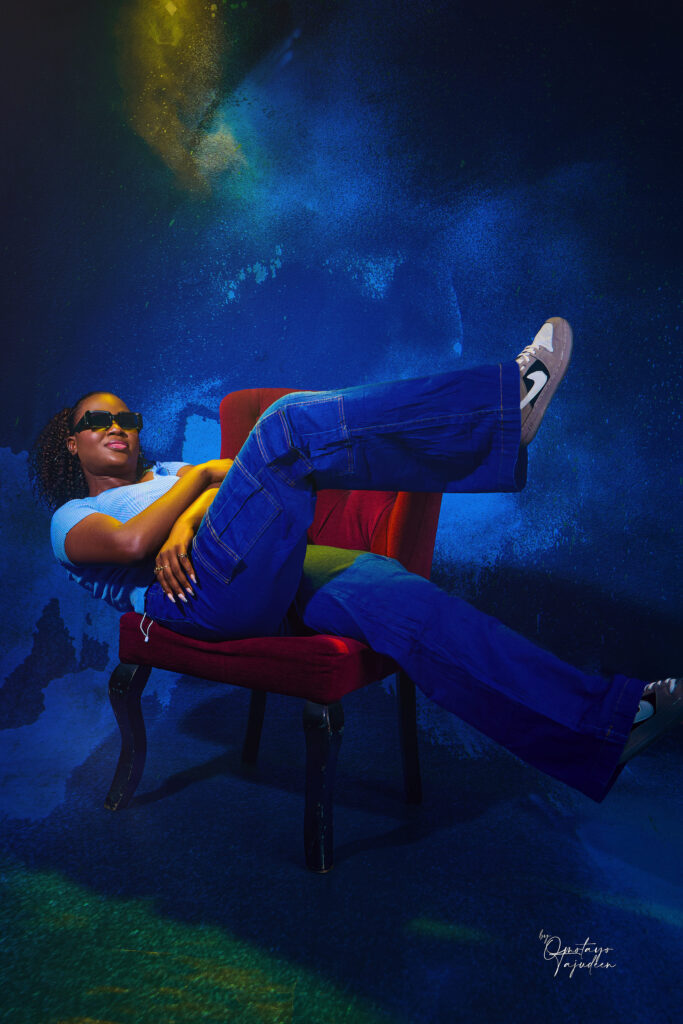
Where They all Meet
The strongest images happen when light, mood, and story align.
When light supports emotion.
When mood allows truth; and
When story gives meaning.
This alignment doesn’t come from rigid planning. It comes from attention to people, to space and the environment, to time, to emotion. It comes from knowledge, insight and understanding of the people or person(s) I photograph. What’s their story? It comes from understanding and knowing Light as an personality, relating with Colour as an entity.
That’s why no two shoots feel the same, even when the setup is similar. Each story asks for something different, and I try to listen carefully.
Photography, at its core, is not about control.
It’s about sensitivity.
About knowing when to guide and when to step back.
About allowing light, mood, and story to do their work.
The camera simply records the result of that attention.